


Steam Boilers: Types, Advantages, and Future Trends
Introduction to Steam Boilers
Steam boilers are essential equipment in various industries, offering a reliable source of steam for heating, power generation, and industrial processes. They come in different types, each with its unique features and applications. In this article, we will explore the world of steam boilers, including their types, advantages, components, maintenance, safety, and future trends.
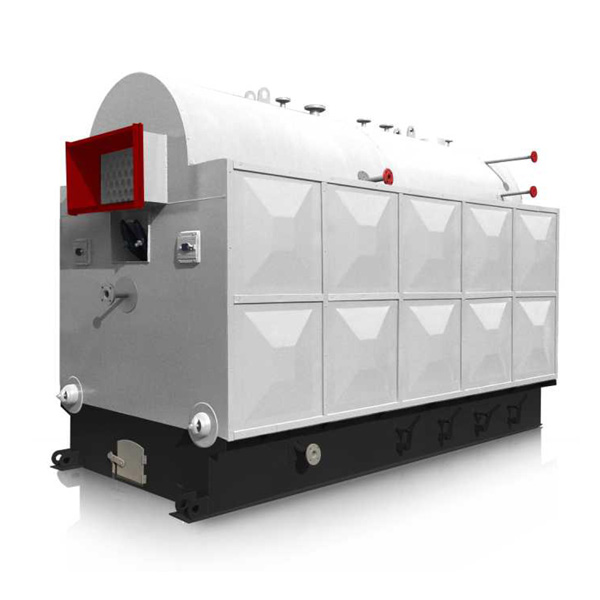
Types of Steam Boilers
Electric Steam Boilers
Electric steam boilers, such as the WDR type, use electric energy as their energy source. They are horizontal high - power boilers that can be used either singly or in multiple units in parallel. These boilers operate without noise, are clean, reduce pollution, and have no smoke emissions. The furnace body and electric control cabinet are separated to prevent rapid aging of electrical components and extend the service life. The heater components are made of stainless - steel electric heating tubes, which have a low surface load, high thermal efficiency, and a long service life. With a normal service life of about 20,000 hours and a thermal efficiency of nearly 95%, they do not emit nitrogen oxides to the atmosphere. The operating part adopts a special control system for electric boilers, with grouping and balanced starting functions, and can be set to operate in four time intervals per day, ensuring safe and convenient use.
Oil - Fired and Gas - Fired Steam Boilers
Oil - fired and gas - fired steam boilers use diesel or天然气 as fuel. The LHS type vertical oil (gas) steam boiler has a burner placed at the bottom and a two - pass structure. This design allows for full fuel combustion, stable operation, and less space occupation. Additionally, the smoke tubes are equipped with turbulators, which slow down the排烟速度 and increase heat transfer, reducing user costs. The WNS type horizontal oil (gas) steam boiler has a shell - type, fully wet - back, three - pass fire - tube structure. The flame burns under slight positive pressure in the large combustion chamber, with a low combustion heat load. This effectively reduces the排烟 temperature, saves energy, and is more economical. The use of corrugated furnace and threaded smoke tubes not only improves the heat absorption intensity of the boiler but also meets the expansion needs of the heat transfer surface, ensuring a scientific and durable design.
Advantages of Steam Boilers
Energy Efficiency
Steam boilers are known for their high energy efficiency. Electric steam boilers, for example, can achieve a thermal efficiency of nearly 95%. This means that a large proportion of the input energy is converted into useful steam, reducing energy waste and saving costs for users. Oil - and gas - fired steam boilers also have relatively high energy conversion rates, especially with advanced combustion technologies and heat transfer designs.
Environmental Friendliness
Many modern steam boilers are designed with environmental protection in mind. Electric steam boilers produce no smoke emissions and do not release nitrogen oxides, making them a clean - energy option. Oil - and gas - fired boilers can also be equipped with emission control devices to reduce pollutants such as sulfur dioxide and particulate matter, meeting environmental regulations.
Versatility
Steam boilers can be used in a wide range of applications. In the industrial sector, they are used for processes such as food processing, textile manufacturing, and chemical production. In the commercial sector, they provide heating and hot water for hotels, hospitals, and office buildings. In the power generation industry, steam boilers are a key component in steam - turbine power plants.
Key Components of Steam Boilers
Furnace
The furnace is the place where fuel is burned to generate heat. In oil - and gas - fired boilers, the furnace must be designed to ensure efficient combustion of the fuel. It should provide a suitable environment for the fuel - air mixture to burn completely, with proper air supply and mixing. In electric boilers, the concept of a furnace is different, as they use electric heaters to generate heat.
Heater Components
In electric steam boilers, heater components are crucial. The stainless - steel electric heating tubes used in WDR type boilers have low surface loads, which means they can operate at a lower temperature, reducing the risk of overheating and extending their service life. These tubes transfer heat efficiently from the electric current to the water, converting it into steam.
Electric Control Cabinet
The electric control cabinet is responsible for controlling the operation of the boiler. It monitors and regulates parameters such as temperature, pressure, and water level. In electric steam boilers, separating the electric control cabinet from the furnace body helps protect the electrical components from the harsh environment inside the boiler, preventing premature aging and ensuring reliable operation.
Maintenance of Steam Boilers
Regular Inspections
Regular inspections are essential for the safe and efficient operation of steam boilers. This includes checking the heater components, electrical connections, and control systems in electric boilers. For oil - and gas - fired boilers, inspections of the burner, fuel supply system, and flue gas system are necessary. Inspections should be carried out at regular intervals, and any signs of wear, damage, or malfunction should be addressed immediately.
Water Treatment
Proper water treatment is crucial for steam boilers. Impurities in the water, such as scale - forming minerals, can reduce the efficiency of the boiler and cause damage to the components. Water treatment methods may include softening, demineralization, and chemical treatment to remove or control impurities. Regular water quality testing should be conducted to ensure that the water meets the requirements of the boiler.
Heater and Component Replacement
Over time, the heater components and other parts of the boiler will wear out. For example, the stainless - steel electric heating tubes in electric boilers have a certain service life. When they reach the end of their useful life, they should be replaced promptly to maintain the performance of the boiler. Regularly scheduled component replacement based on the manufacturer's recommendations can prevent unexpected breakdowns and ensure long - term operation.
Safety Measures for Steam Boilers
Pressure and Temperature Control
Steam boilers operate under high pressure and temperature. Therefore, accurate pressure and temperature control is of utmost importance. Safety valves are installed on the boiler to release excess pressure in case of over - pressurization. Temperature sensors and controllers are used to monitor and regulate the water and steam temperature, preventing overheating and potential accidents.
Water Level Monitoring
Maintaining the proper water level in the boiler is critical for its safe operation. Low water levels can cause the boiler to overheat and damage the components, while high water levels can lead to water carry - over into the steam system. Water level sensors and alarms are used to monitor the water level and alert operators if it goes out of the normal range.
Operator Training
Operators of steam boilers must receive proper training. They should be familiar with the operation, maintenance, and safety procedures of the boiler. Training should cover topics such as start - up and shut - down procedures, emergency response, and routine maintenance tasks. Well - trained operators can prevent accidents and ensure the long - term reliability of the boiler.
Future Trends in Steam Boiler Technology
Energy - Saving Technologies
The future of steam boilers will focus on further improving energy efficiency. New technologies, such as advanced insulation materials and intelligent control systems, will be developed to reduce heat loss and optimize energy consumption. For example, smart control systems can adjust the boiler's operation based on real - time demand, reducing unnecessary energy use.
Environmental - Friendly Designs
As environmental regulations become more stringent, steam boilers will continue to evolve towards more environmentally friendly designs. This may include the use of alternative fuels, such as biofuels, and the development of more efficient emission control technologies. Electric steam boilers may also see increased adoption due to their clean - energy nature.
Integration with Renewable Energy
There is a growing trend to integrate steam boilers with renewable energy sources. For example, solar - thermal energy can be used to pre - heat the water in the boiler, reducing the energy input required from other sources. This combination can further improve the sustainability and cost - effectiveness of steam boiler systems.
In conclusion, steam boilers are an important part of modern industry and daily life. With their various types, advantages, and technological advancements, they will continue to play a vital role in meeting our energy and steam - related needs. By understanding their types, components, maintenance, and safety aspects, we can ensure their efficient and safe operation for years to come.


