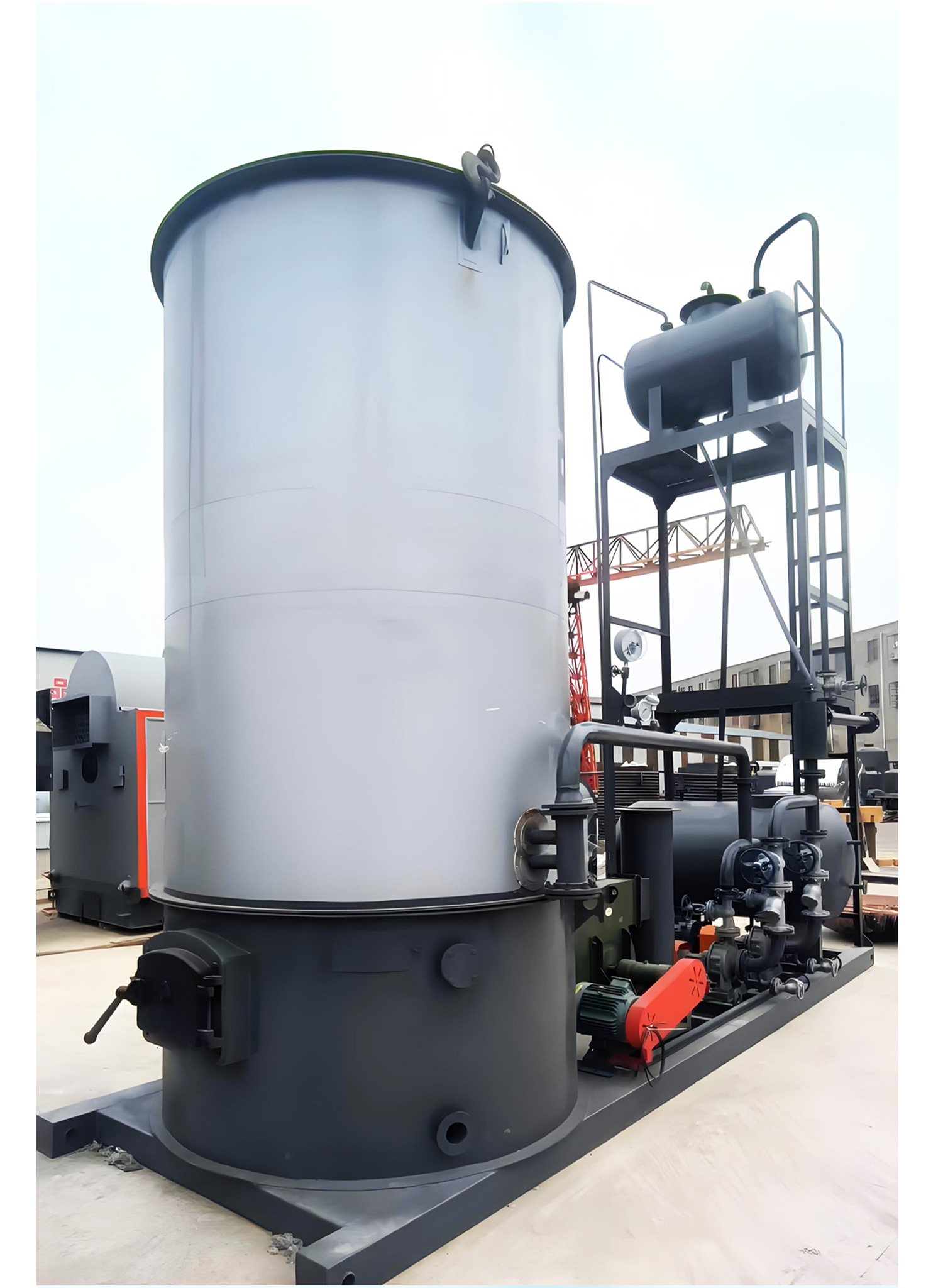
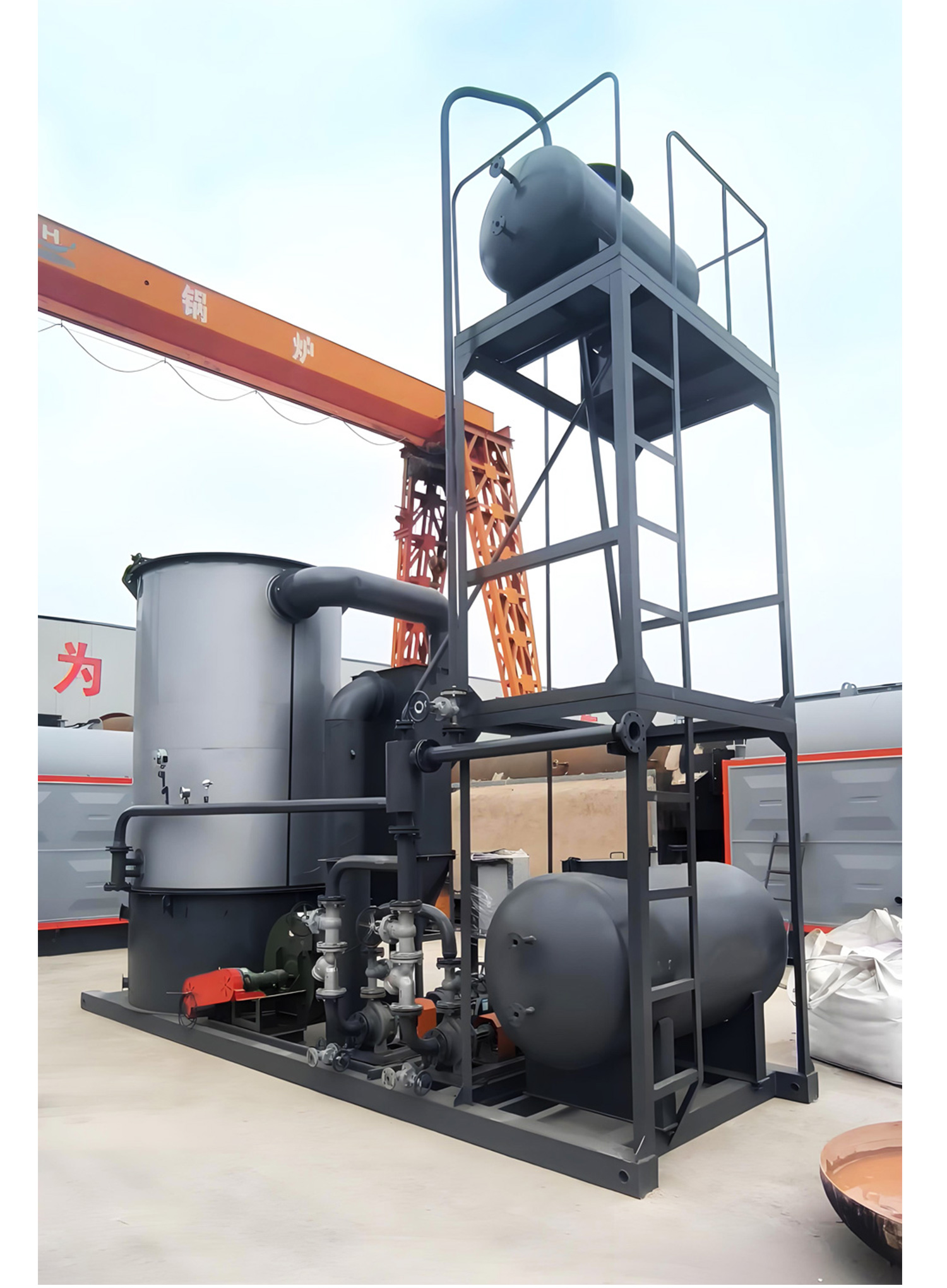
Coal fired/biomass thermal oil boiler
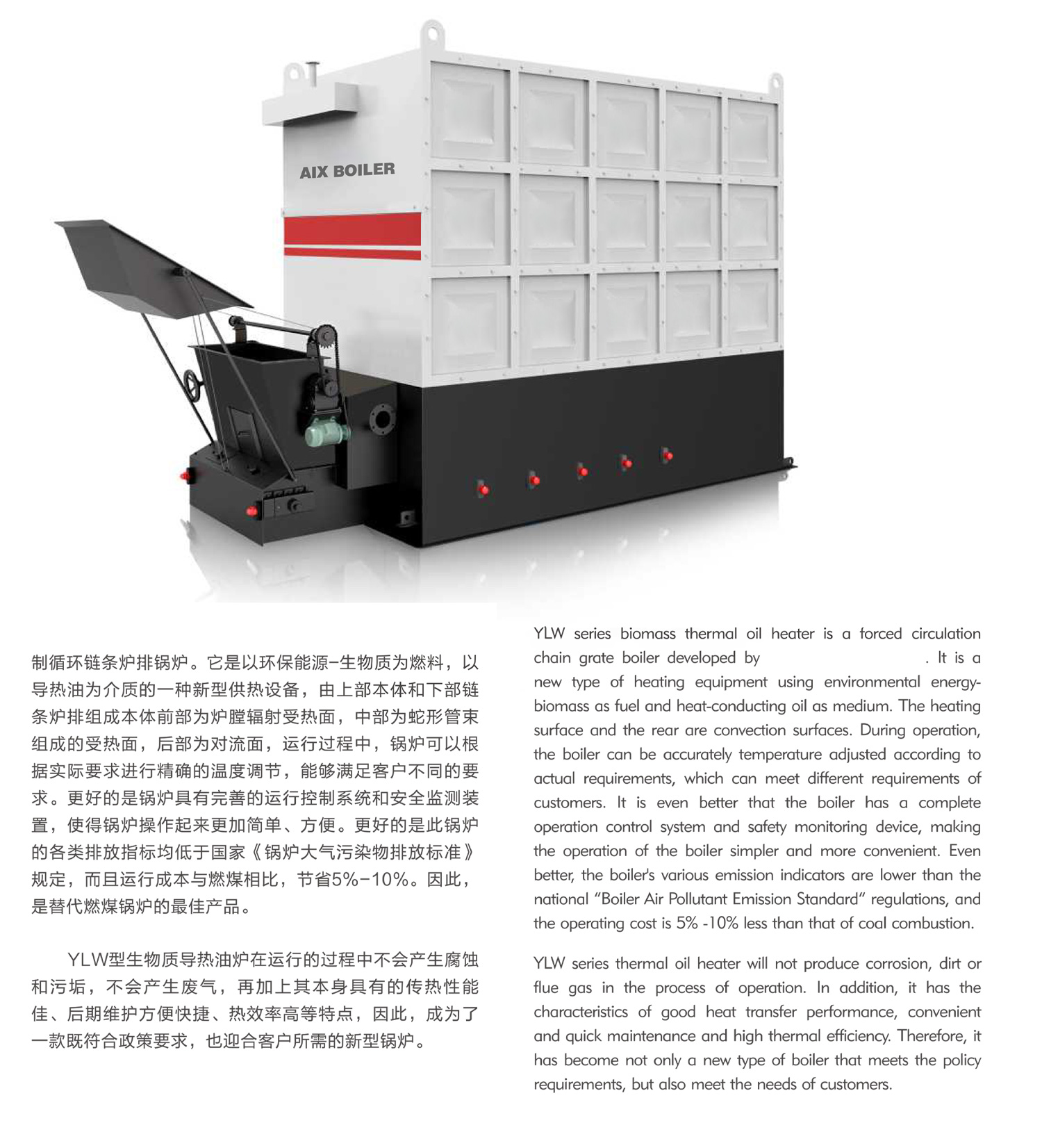
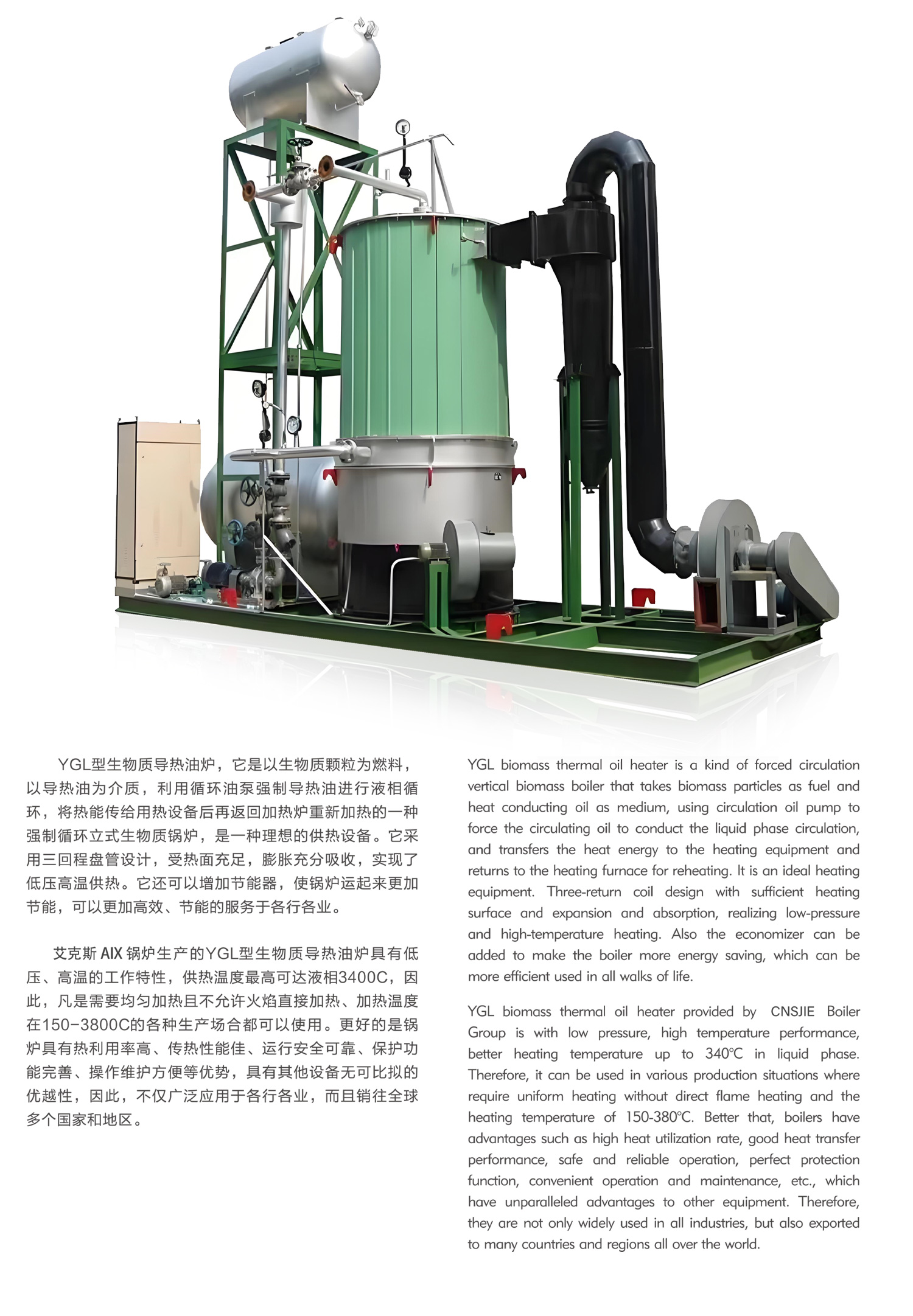
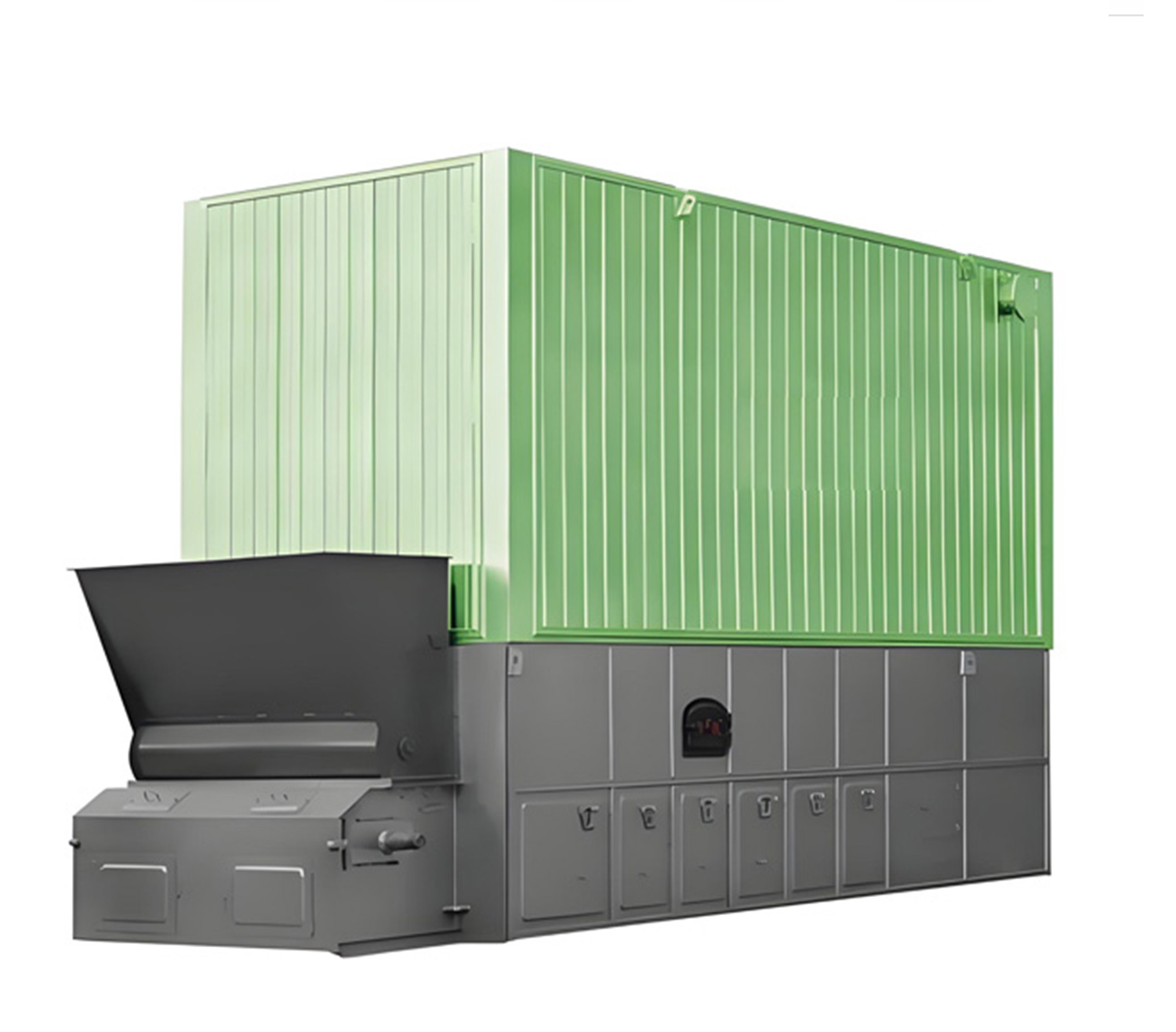
A biomass thermal oil boiler is a heating system that utilizes biomass fuel (such as wood chips, pellets, agricultural waste, etc.) to heat thermal oil (also called heat transfer fluid), which then circulates through the system to transfer heat to industrial processes. It is an efficient and environmentally friendly solution for applications requiring high-temperature heat.
Biomass Thermal Oil Boilers
A biomass thermal oil boiler is a heating system that utilizes biomass fuel (such as wood chips, pellets, agricultural waste, etc.) to heat thermal oil (also called heat transfer fluid), which then circulates through the system to transfer heat to industrial processes. It is an efficient and environmentally friendly solution for applications requiring high-temperature heat.
1. Core Working Principle
The operation follows these key steps:
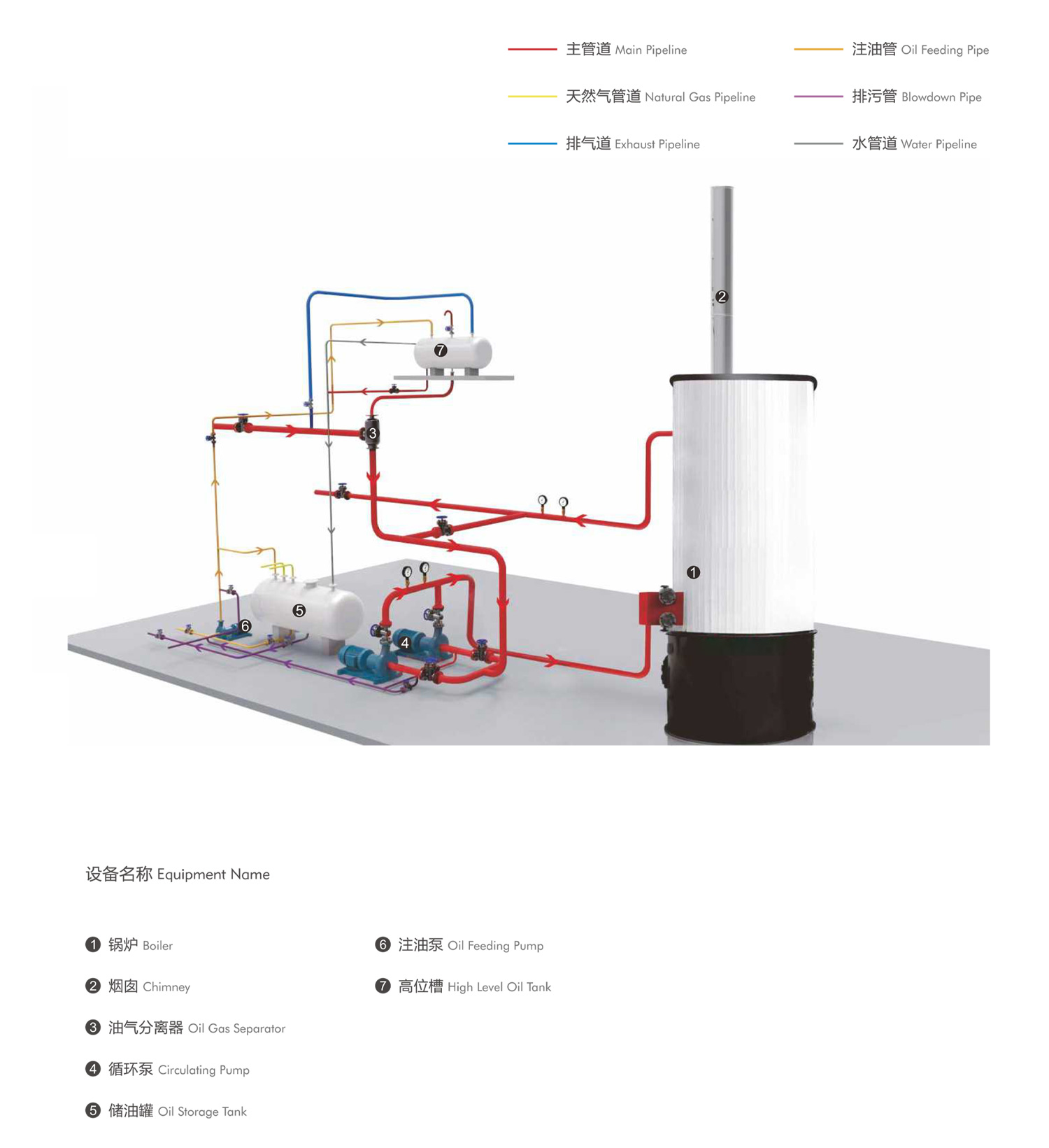
Combustion Process: Biomass fuel is burned in a combustion chamber, generating high-temperature flue gases.
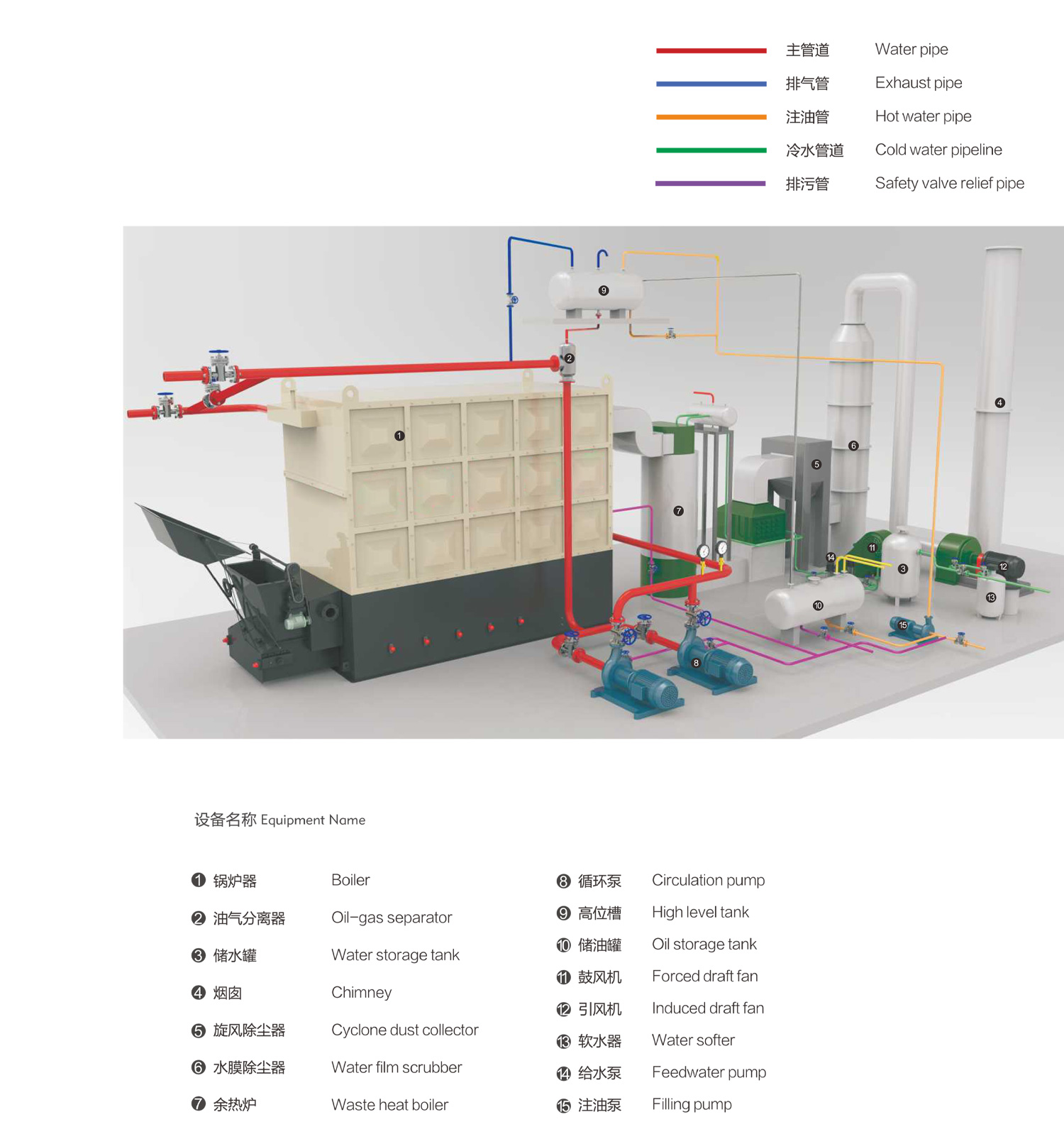
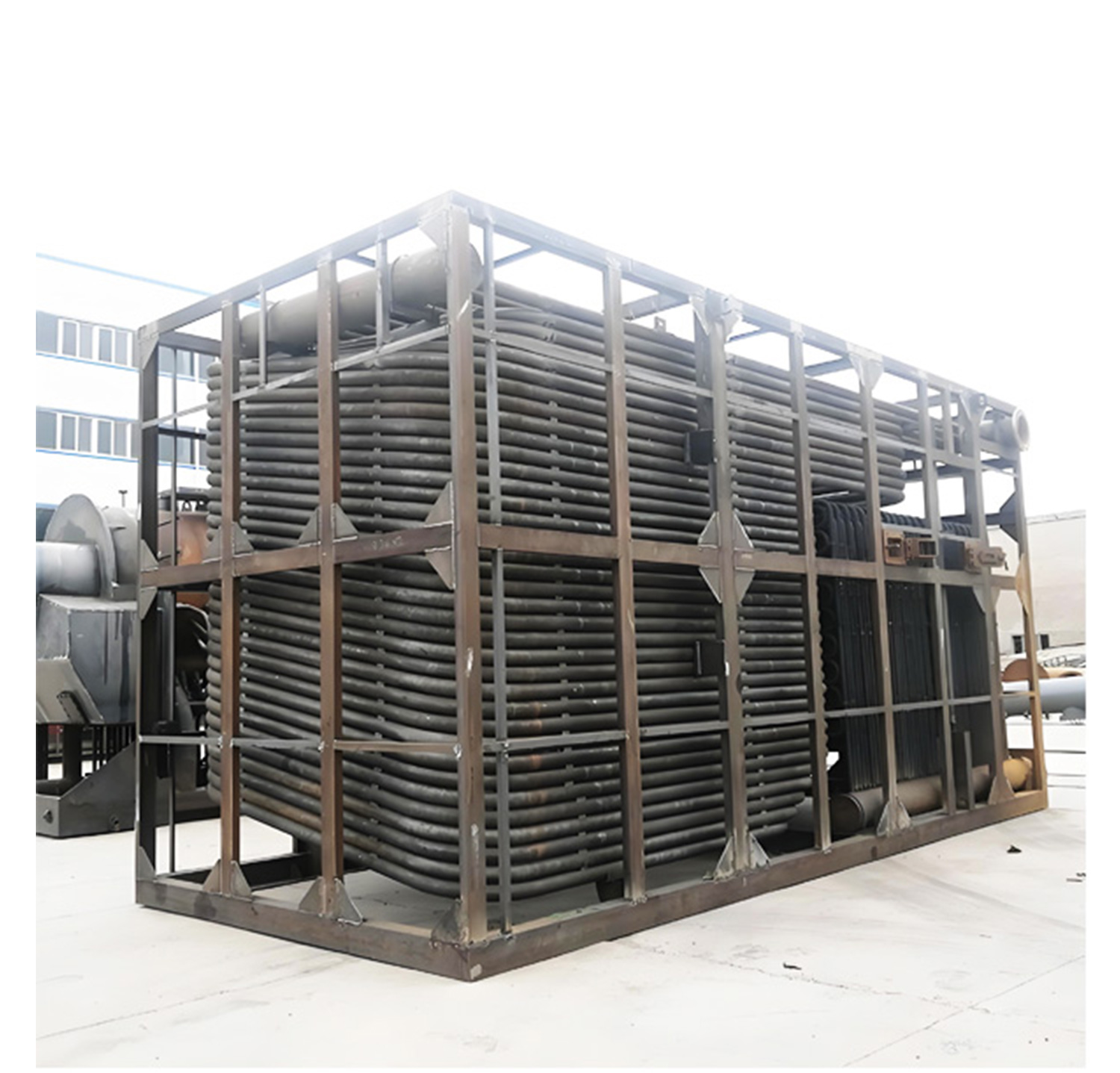
Heat Transfer: The hot flue gases pass through a heat exchanger, transferring thermal energy to the thermal oil circulating in closed-loop coils or tubes.
Oil Circulation: The heated thermal oil (typically reaching temperatures of 250°C–350°C) is pumped to heat-consuming equipment (e.g., reactors, dryers, presses).
Return Flow: After transferring heat, the cooled oil returns to the boiler for reheating.
Emission Control: Flue gases are treated (e.g., cyclone separators, bag filters) before being released into the atmosphere.
2. Key Features and Advantages
Renewable Energy Source:
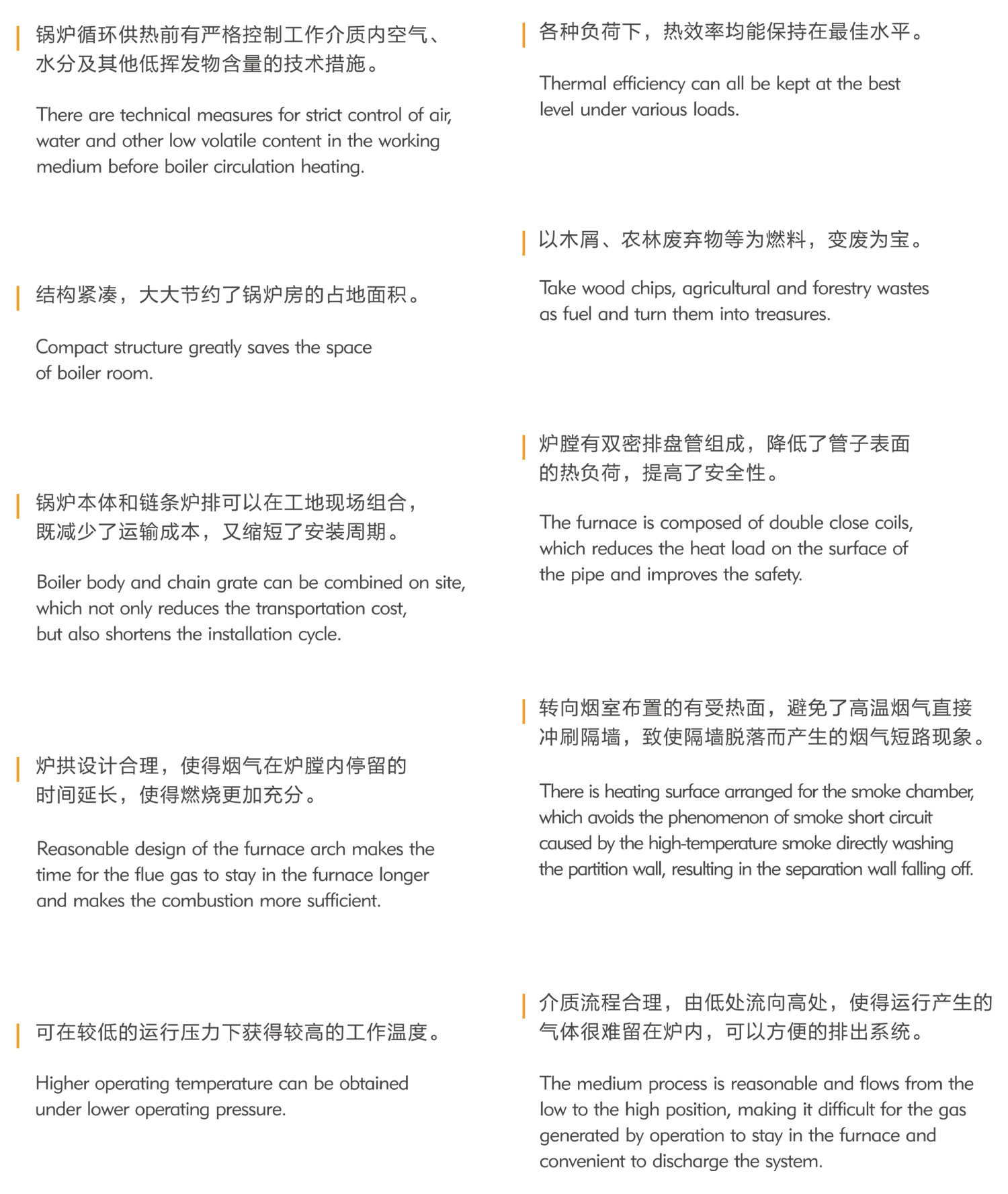
Uses sustainable biomass fuels, reducing reliance on fossil fuels.
Carbon-neutral cycle: CO₂ emitted during combustion is offset by CO₂ absorbed during biomass growth.
High Thermal Efficiency:
Modern designs achieve efficiencies of 85%–90% by optimizing combustion and heat exchange.
High-Temperature Capability:
Thermal oil operates at high temperatures (up to 350°C) without high-pressure systems, enhancing safety.
Cost-Effective Operation:
Biomass fuels are often cheaper than gas, electricity, or oil.
Government subsidies for renewable energy projects may further reduce costs.
Automation and Control:
Automated fuel feeding, ash removal, and temperature control reduce manual intervention.
3. Typical Applications
Biomass thermal oil boilers are used in industries requiring precise, high-temperature heat:
Chemical Processing: Reactors, distillation columns.
Food and Beverage: Cooking, frying, drying.
Textiles: Dyeing and finishing processes.
Building Materials: asphalt heating, composite material production.
Agriculture: Crop drying, wood processing.
4. Challenges and Limitations
Space and Storage Requirements:
Biomass fuel requires large storage space and protection from moisture.
Maintenance Demands:
Regular cleaning of ash and soot is necessary to maintain efficiency.
Combustion components and heat exchangers need periodic inspection.
Fuel Quality Sensitivity:
Inconsistent fuel quality (e.g., moisture content, size) can affect combustion efficiency.
Emission Control Needs:
Requires dust collection systems to meet particulate matter regulations.
Higher Initial Investment:
More expensive than fossil fuel-based systems due to complex feeding and combustion systems.
5. Selection and Operation Guidelines
Fuel Availability Analysis:
Ensure a reliable and economically viable supply of biomass fuel locally.
Boiler Sizing:
Calculate required thermal capacity (kW or kcal/h) based on process heat demand.
Material Compatibility:
Choose corrosion-resistant materials for components exposed to flue gases and thermal oil.
Emission Compliance:
Integrate appropriate dust removal and (if needed) NOx reduction systems.
Safety Systems:
Include over-temperature protection, pressure relief valves, and fire safety measures.
Operator Training:
Train staff on fuel handling, combustion control, and emergency procedures.