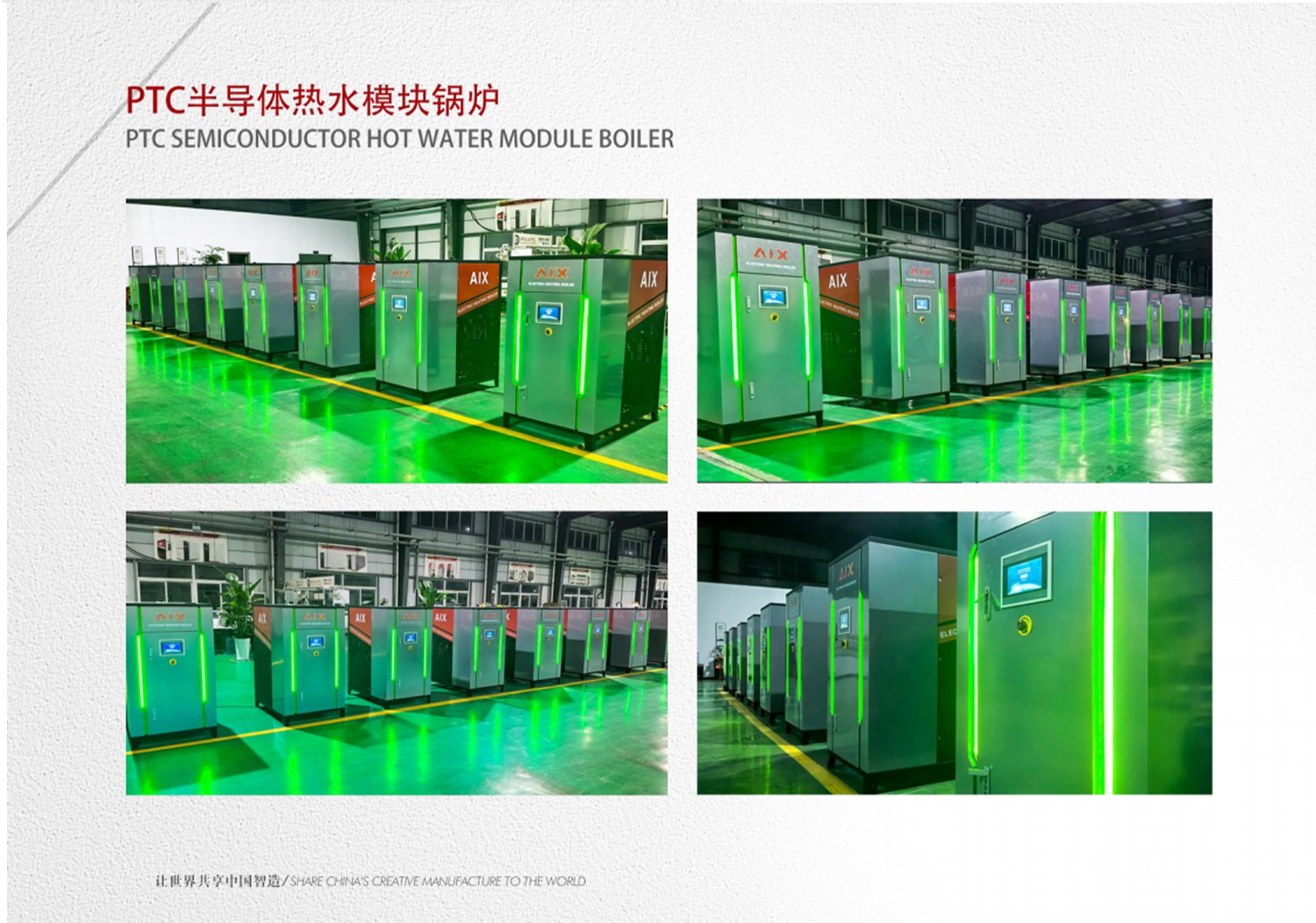
Electric hot water boiler
Electric Hot Water Boilers
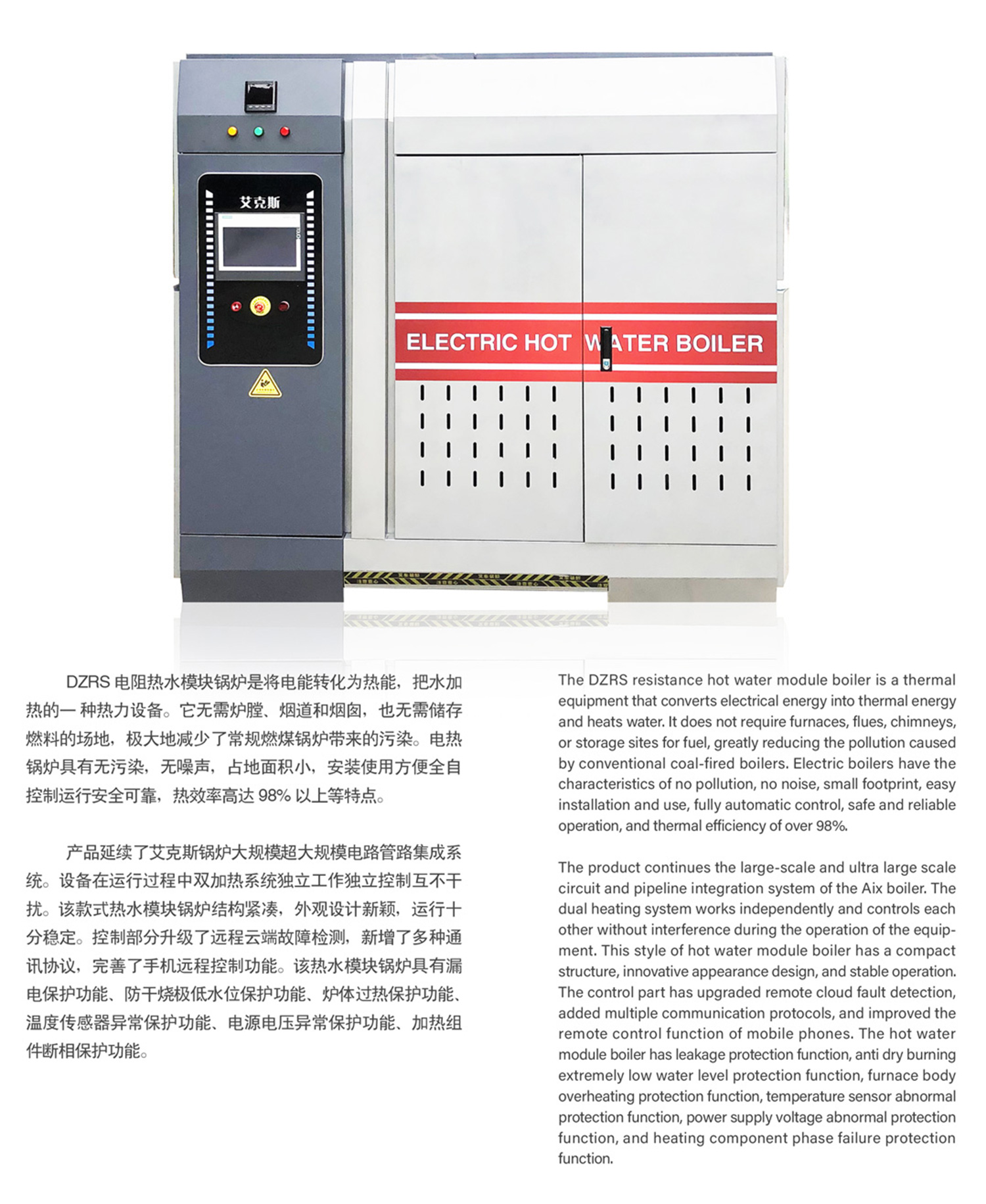
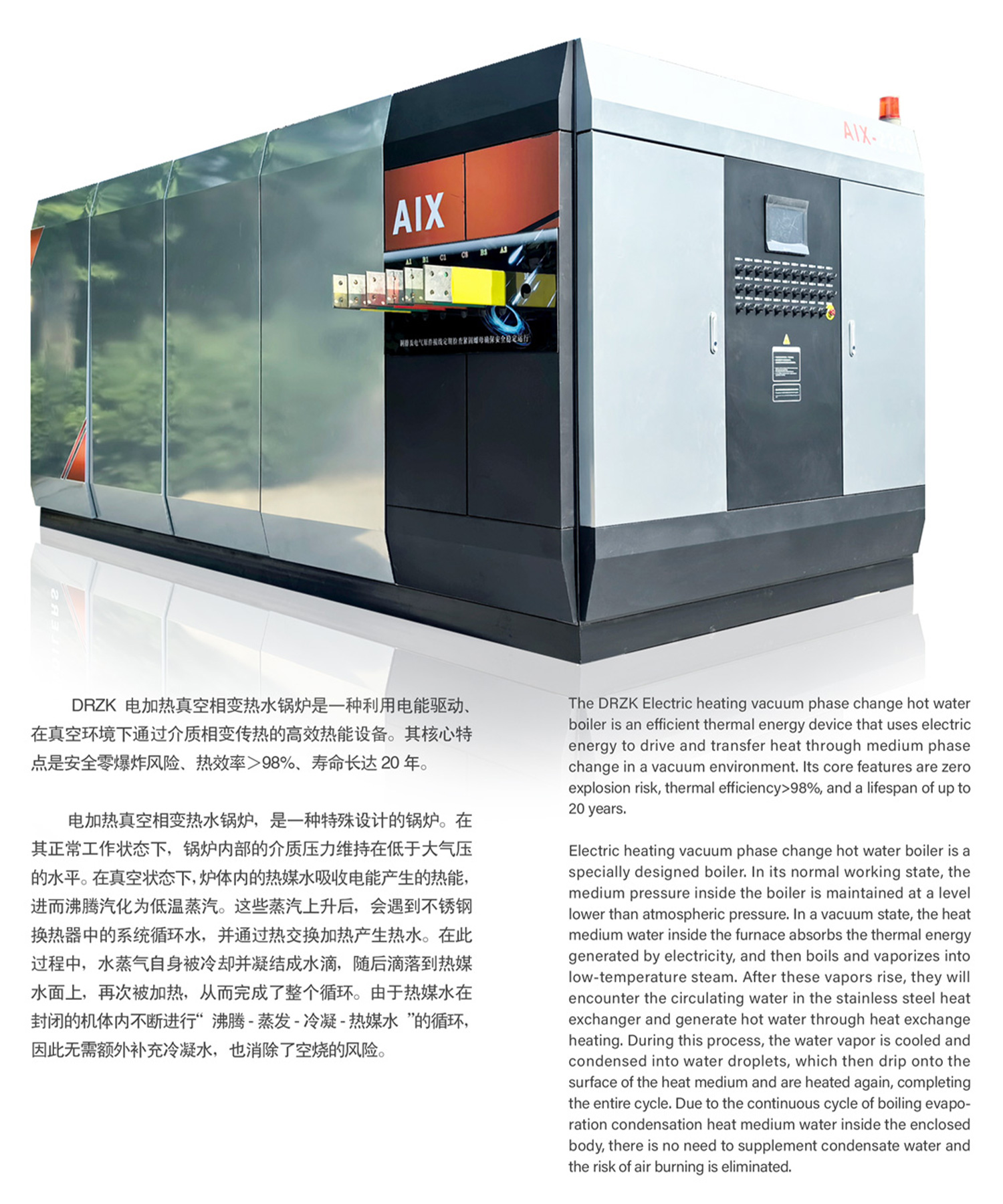
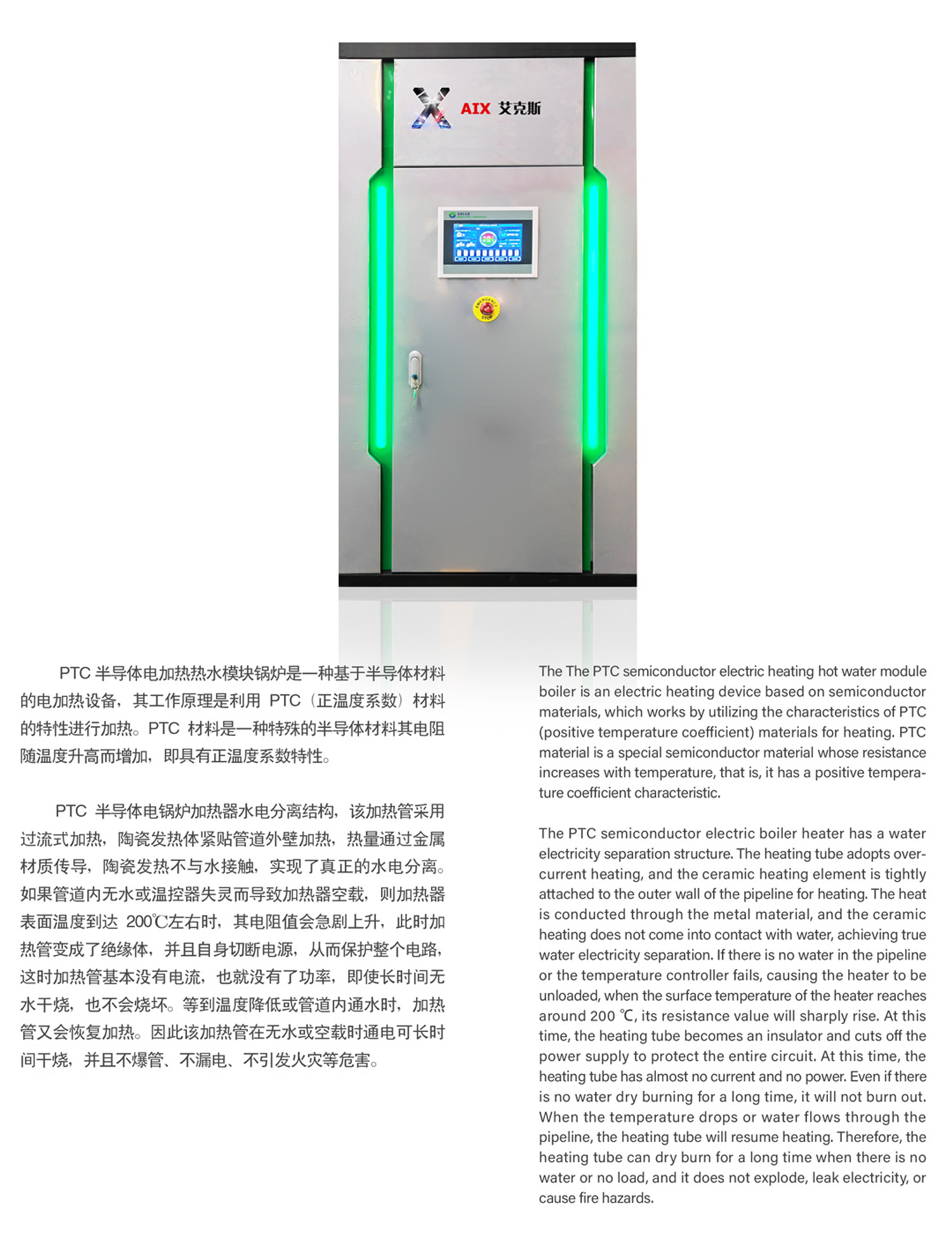
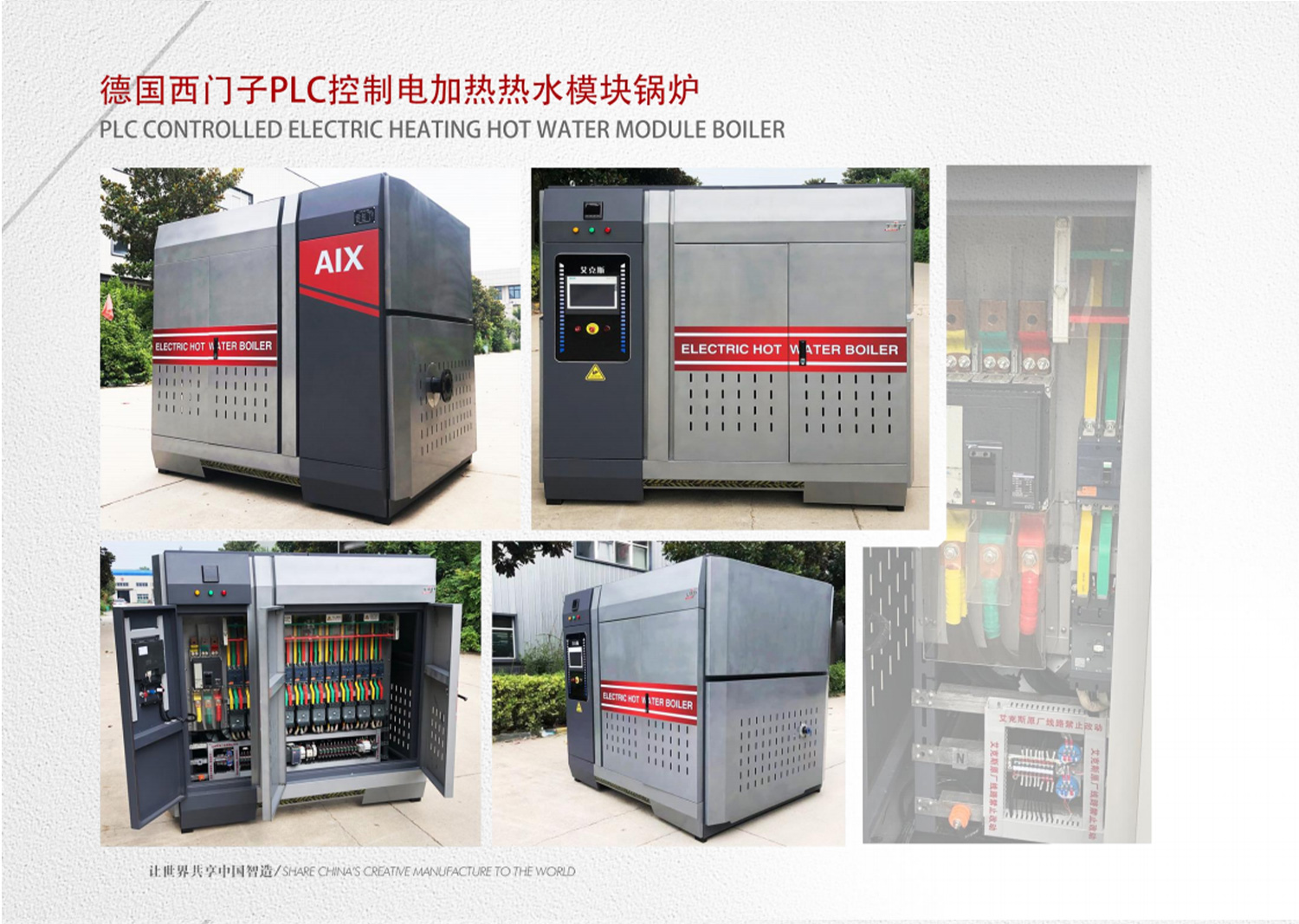
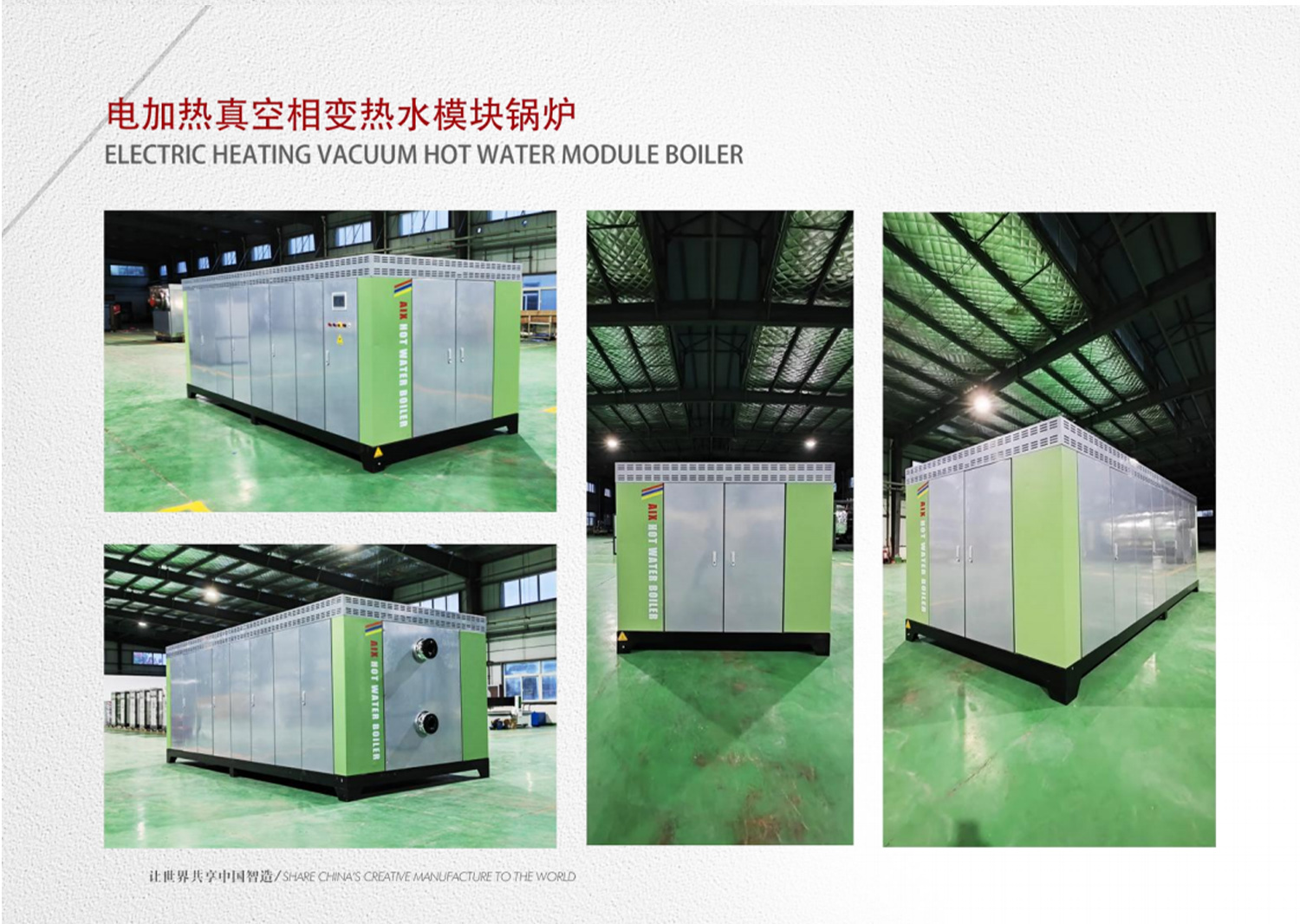
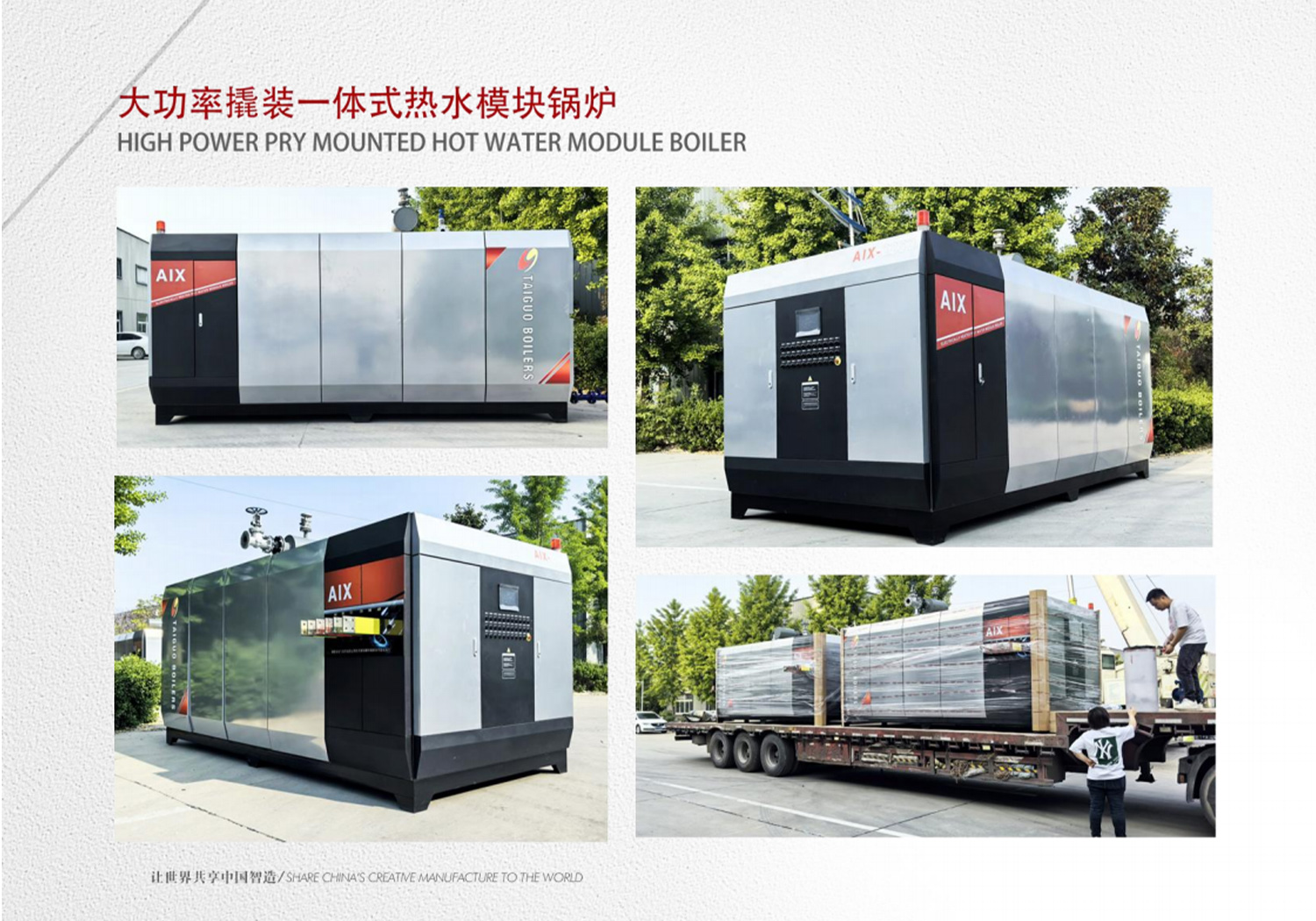
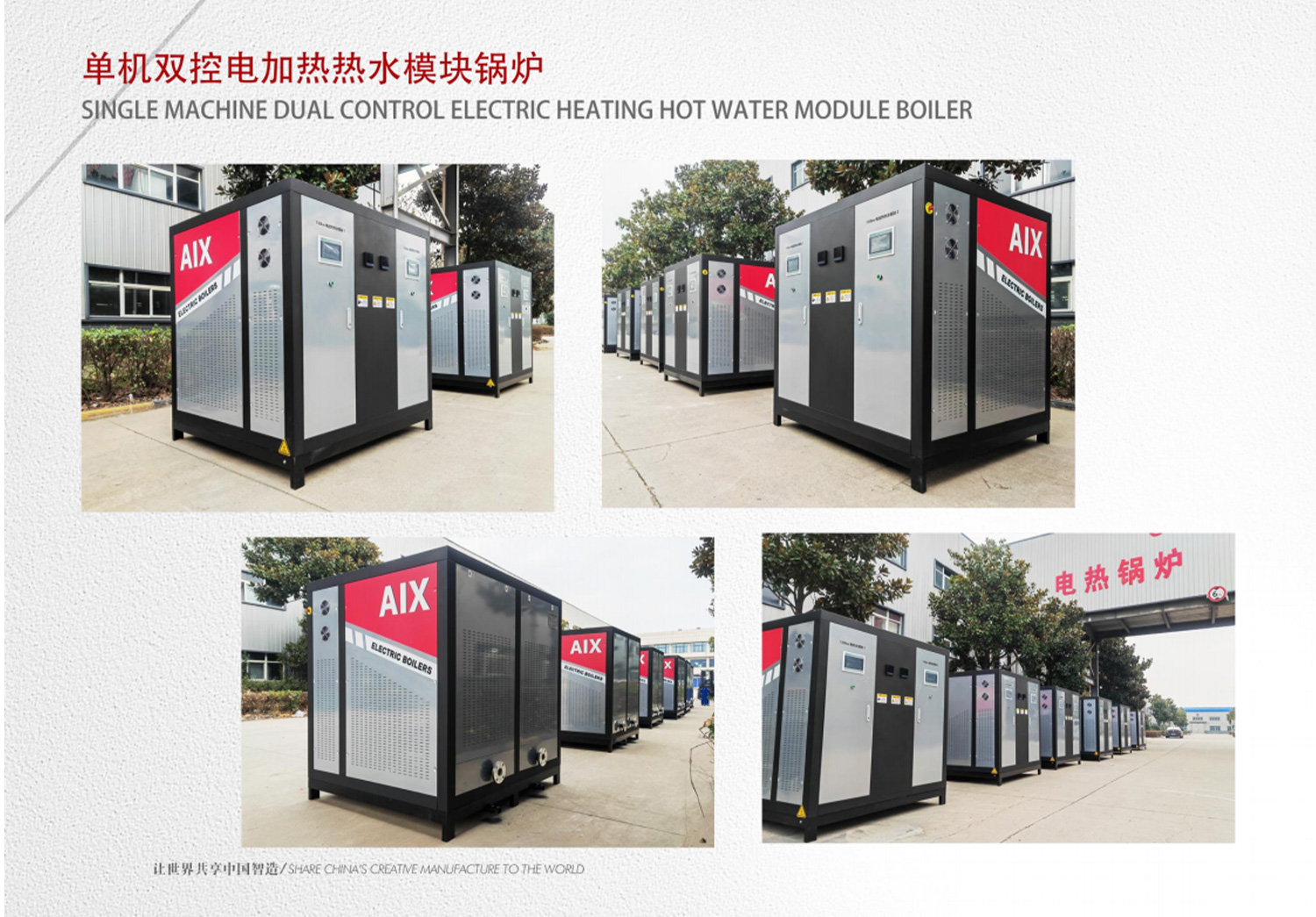
An electric hot water boiler is a thermal energy device that uses electricity (via resistance or electrode methods) to heat water to the required temperature and provide hot water or low-pressure steam. It is one of the core equipment for clean heating, domestic hot water supply, and industrial process heating, playing a critical role under the "coal-to-electricity" policy.
1. Resistance-Type Hot Water Boiler
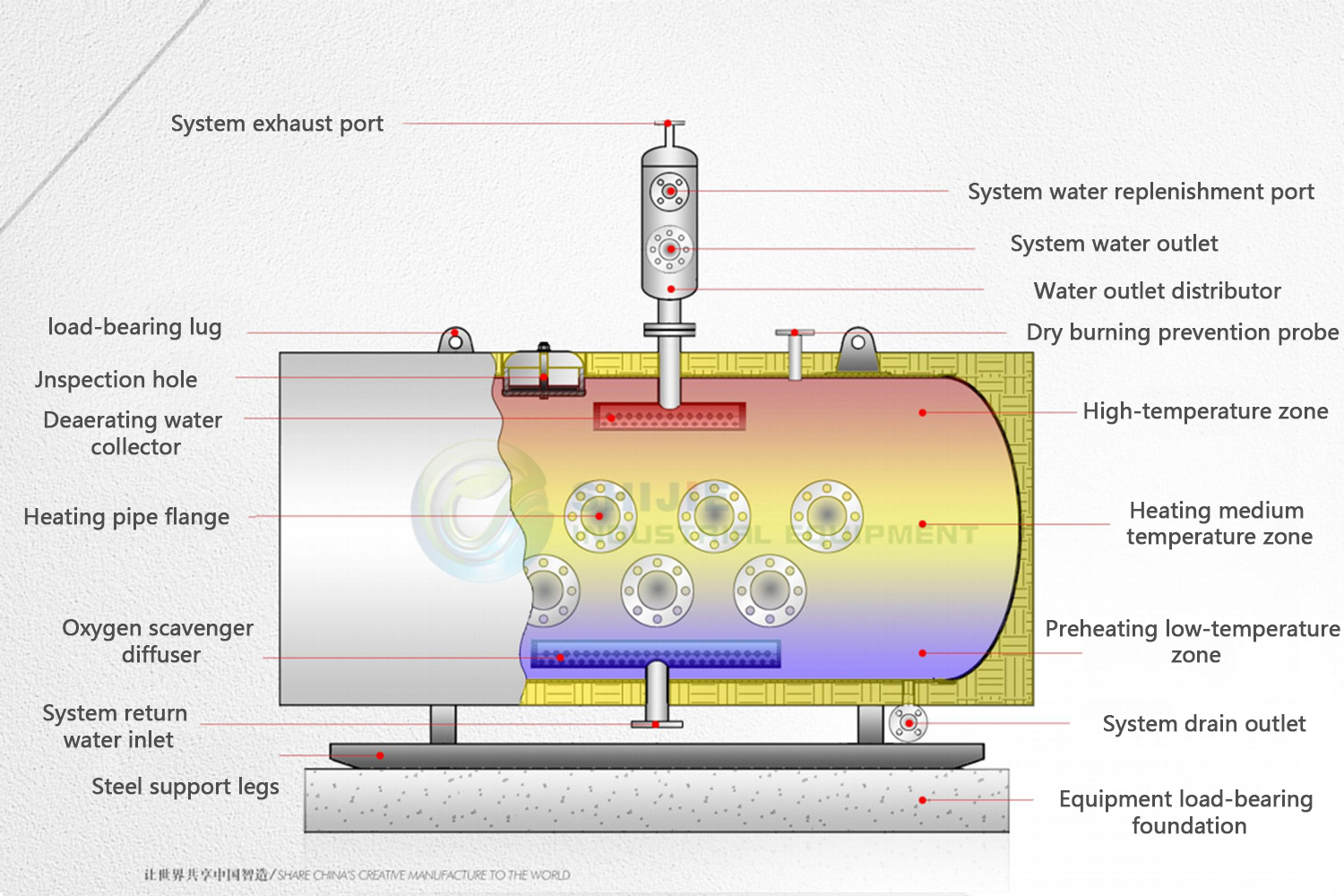
Principle: This is the most common type. Its working principle is similar to that of a household electric water heater but with greater power and scale. Current passes through high-resistance electric heating alloy wires (e.g., nickel-chromium alloy) or heating tubes, generating Joule heat. The heating elements are immersed in water to directly heat it.
Features: Mature technology, simple structure, easy control, and relatively low water quality requirements.
2. Electrode-Type Hot Water Boiler
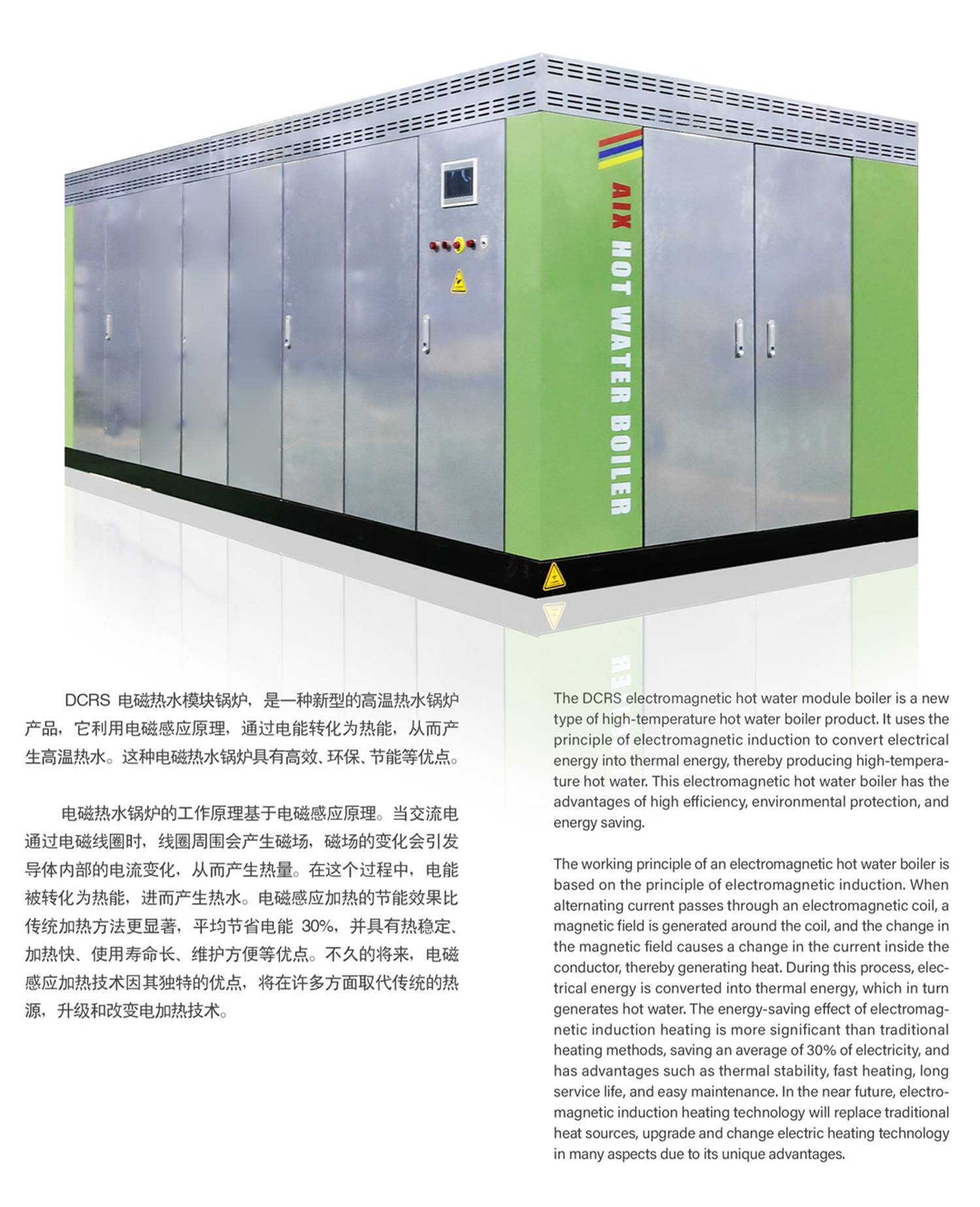
Principle: Utilizes the resistive properties of water. Electrodes are immersed in water, forming a circuit through direct contact with water. Current passes through the water itself, leveraging its resistance to generate heat and raise the water temperature.
Features:
Fast startup: Extremely high power density enables rapid production of large amounts of steam or hot water.
Safe: If the boiler runs dry, the current circuit automatically breaks, eliminating the risk of dry-fire damage.
Strict water quality requirements: Water conductivity must remain within a specific range to ensure stable boiler power.
Typically used for high-power applications requiring rapid response, such as large-scale district heating.
2. Key Features and Advantages
Ultimate Environmental Friendliness, Zero Pollution Emissions:
No combustion occurs during operation, meaning zero emissions of waste gas, smoke, sulfur dioxide, nitrogen oxides, or other pollutants.
Exceptionally High Thermal Efficiency:
The efficiency of converting electrical energy to thermal energy is extremely high, generally above 95%, with many products reaching 98-99%. Almost no heat is lost through exhaust, as nearly all heat is absorbed by the water.
Safe and Reliable:
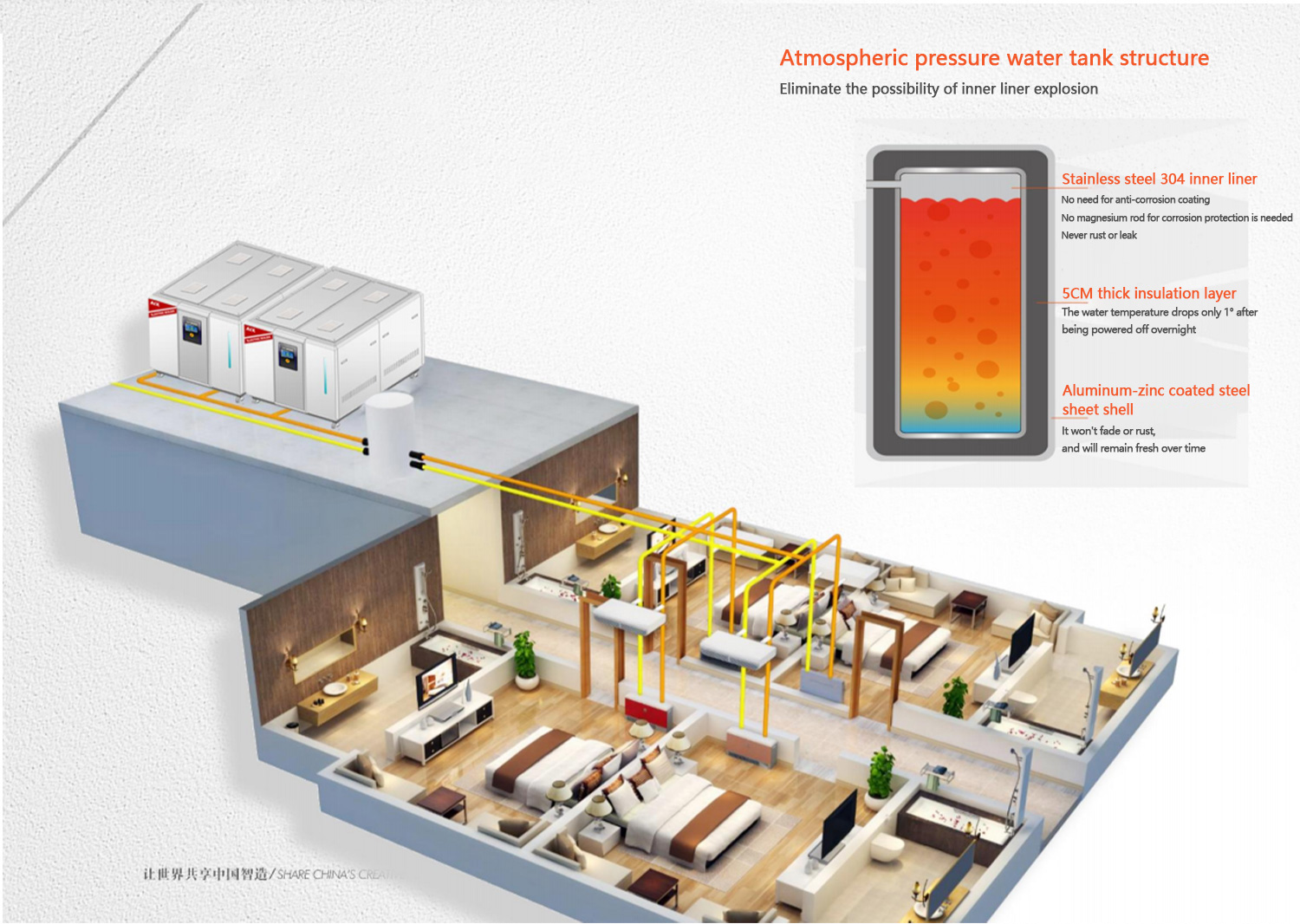
Atmospheric Pressure Operation: Most hot water boilers are designed as atmospheric pressure vessels, eliminating the high-pressure risks associated with steam boilers.
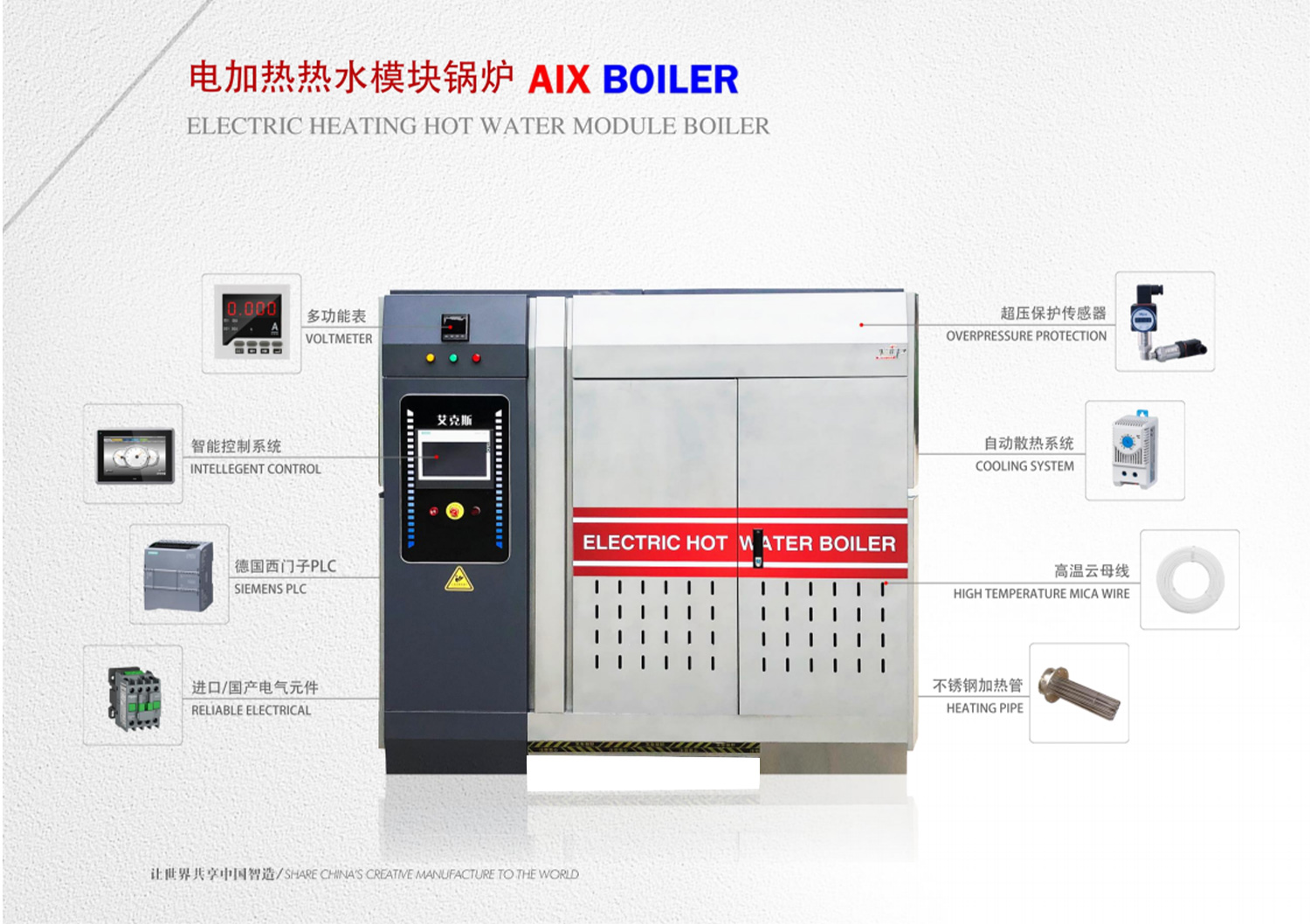
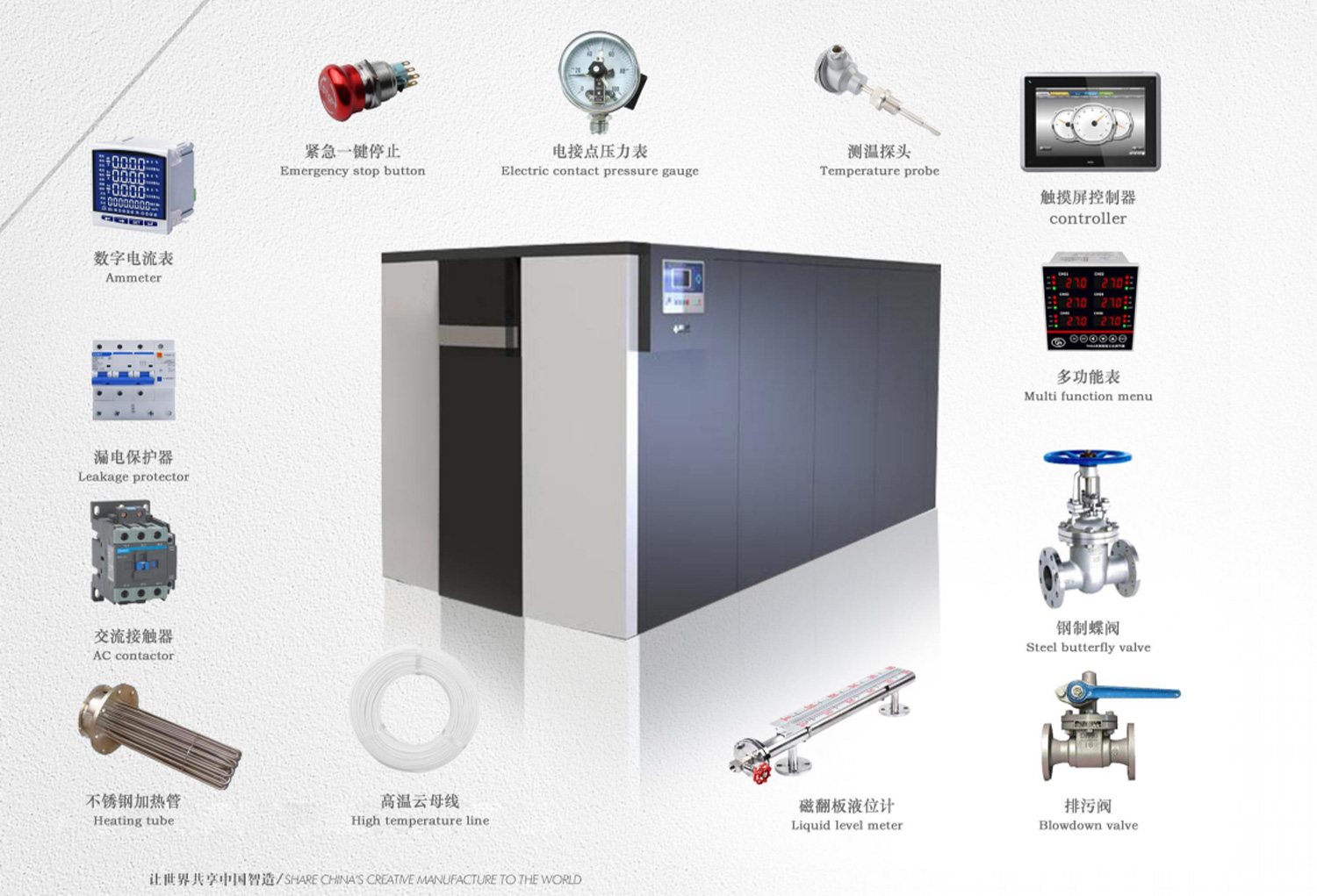
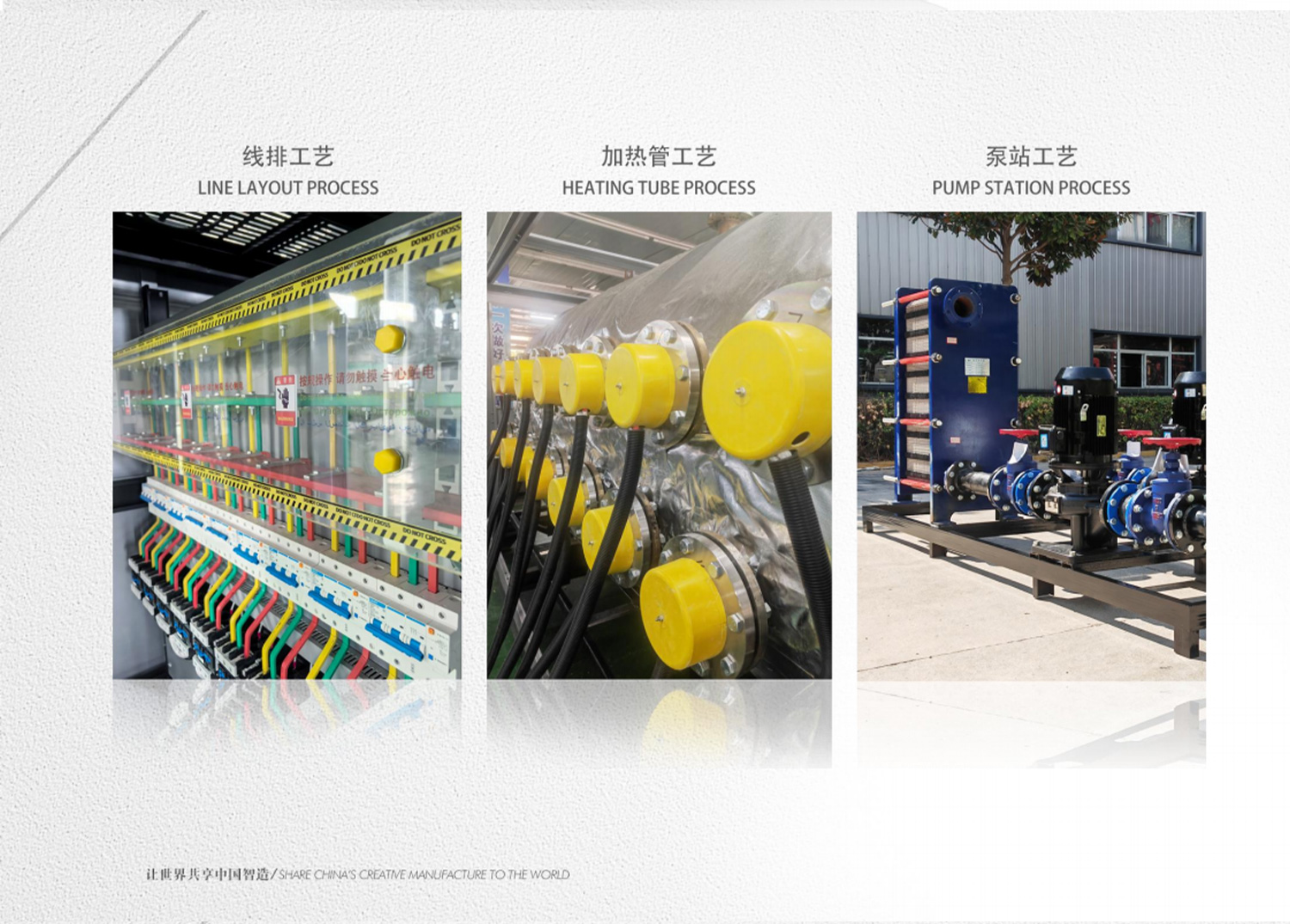
Multiple Safety Protections: Equipped with redundant safety interlocks, including over-temperature protection, leakage protection, low-water protection, freeze protection, and pressure protection.
Fully Automated Intelligent Control:
Utilizes PLC or microcomputer control systems for unattended automatic operation. Supports features such as timed start/stop, multi-period temperature control, and remote monitoring via mobile apps.
Flexible Installation, Space-Saving:
No need for fuel storage facilities (e.g., oil tanks, coal yards), burners, or chimneys. Compact design requires minimal floor space.
Simple installation: Only connect water, electricity, and pipelines, significantly reducing infrastructure costs and installation time.
Quiet Operation:
No noise from burner fans or combustion. The primary operational noise comes from the circulation pump, making the system very quiet overall.
3. Main Application Areas
Electric hot water boilers are widely used across various industries:
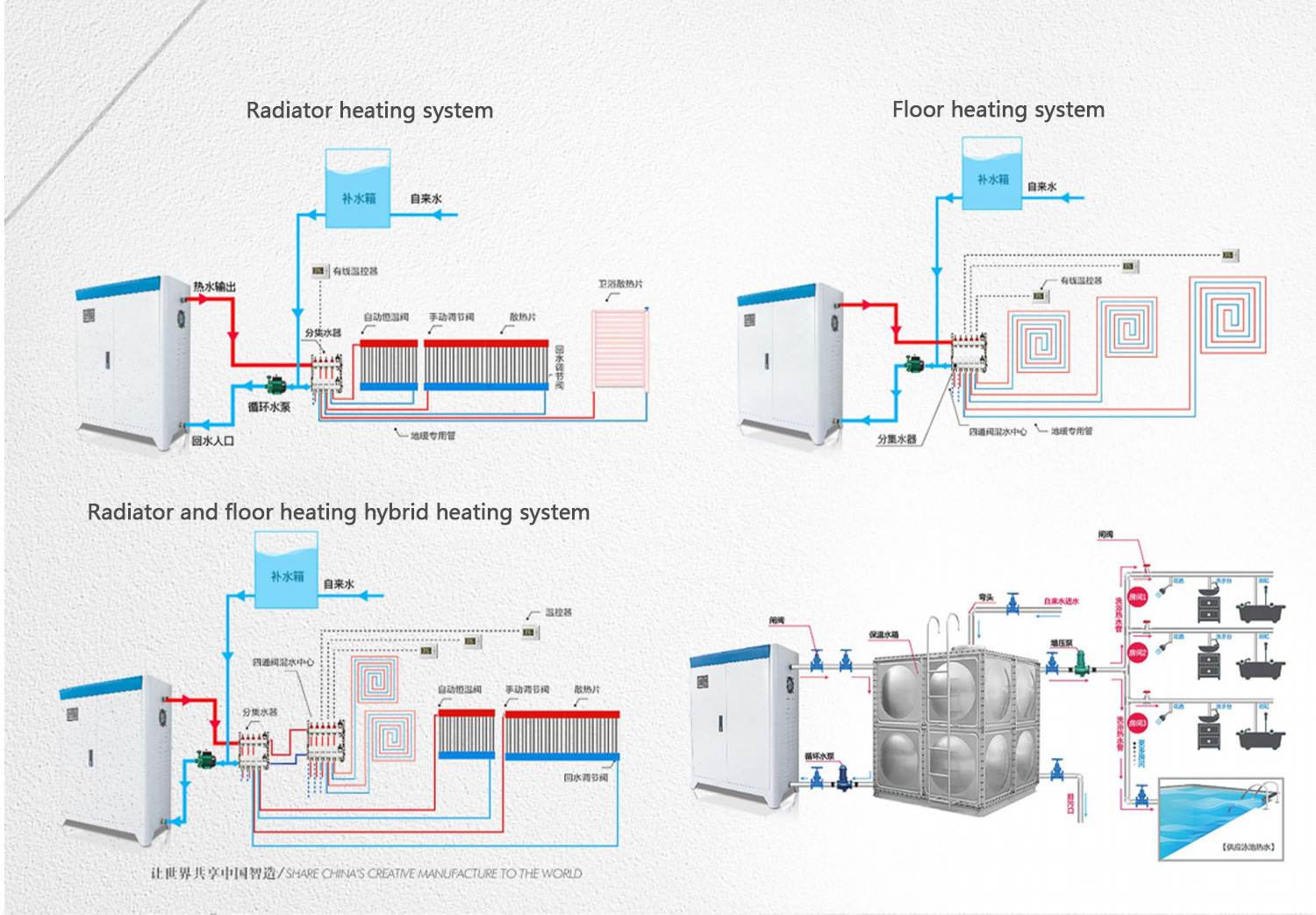
Residential/Commercial Heating: As a key component of the "coal-to-electricity" initiative, they provide heating hot water for residential communities, office buildings, schools, hospitals, and shopping malls.
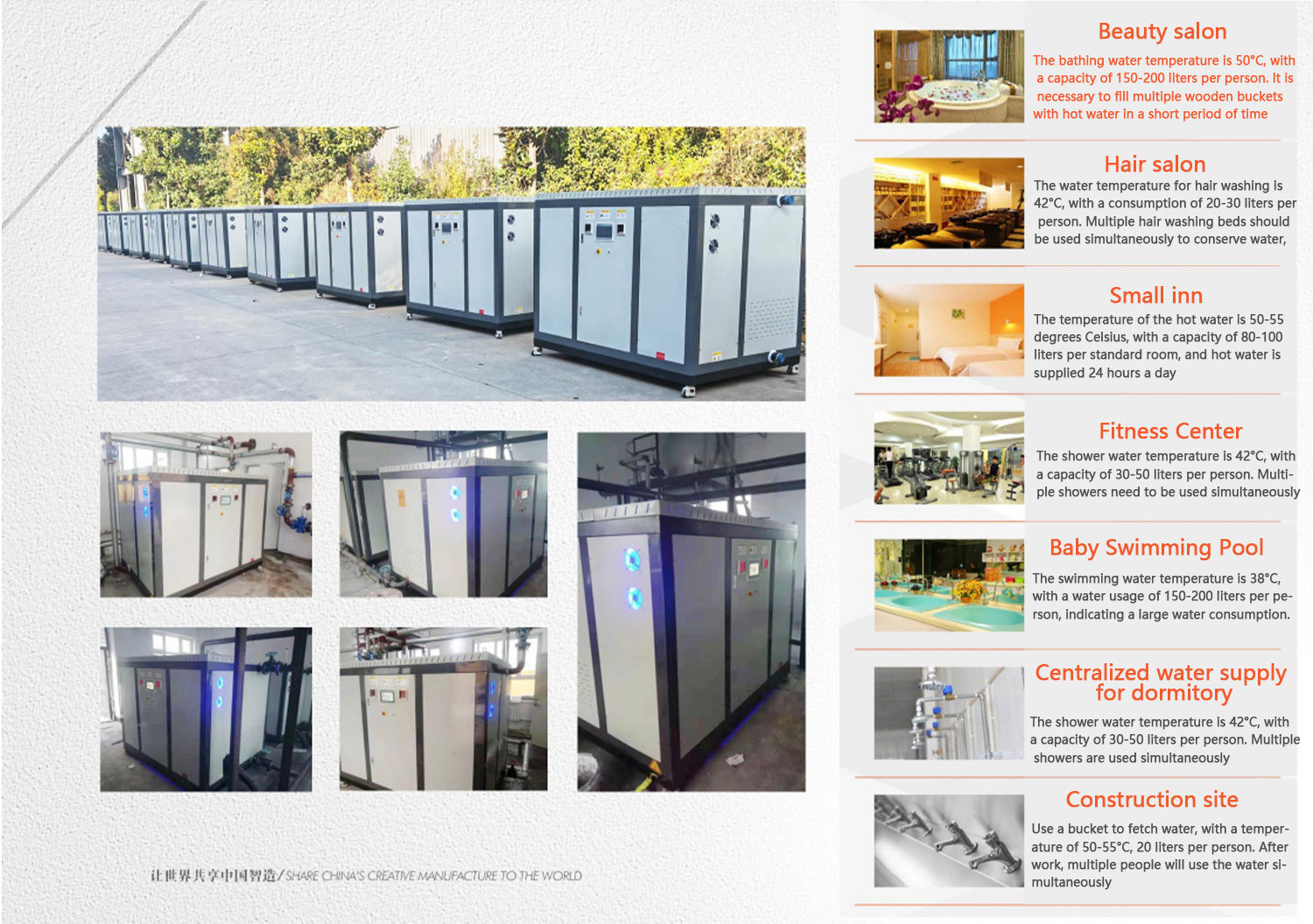
Domestic Hot Water Supply: Hotels, swimming pools, bathhouses, spas, and beauty salons requiring large volumes of centralized hot water.
Industrial Process Hot Water: Food processing, slaughterhouses, electroplating, chemical, and textile industries requiring high-temperature hot water.
Supplementary Heating for Other Systems: Serves as an auxiliary heating device for unstable heat sources like solar or air energy systems, ensuring all-day heating.
4. Potential Challenges and Disadvantages
High Operating Costs: This is the primary drawback. Industrial electricity prices are significantly higher than natural gas or biomass fuel costs, leading to substantial expenses for continuous high-intensity heating.
Dependence on Electrical Capacity: High-power electric boilers place significant demands on a building’s or facility’s transformer capacity and cabling. Power capacity upgrades may incur high additional costs.
Dependence on Energy Policies: Economic viability heavily relies on local peak/off-peak electricity pricing. Without utilizing off-peak electricity rates for thermal storage operation, cost advantages are lost.
Indirect Carbon Emissions: While zero-emission at the point of use, if the electricity source is primarily coal-fired, emissions are merely shifted to power plants from a lifecycle perspective.
5. Key Points for Selection and Use
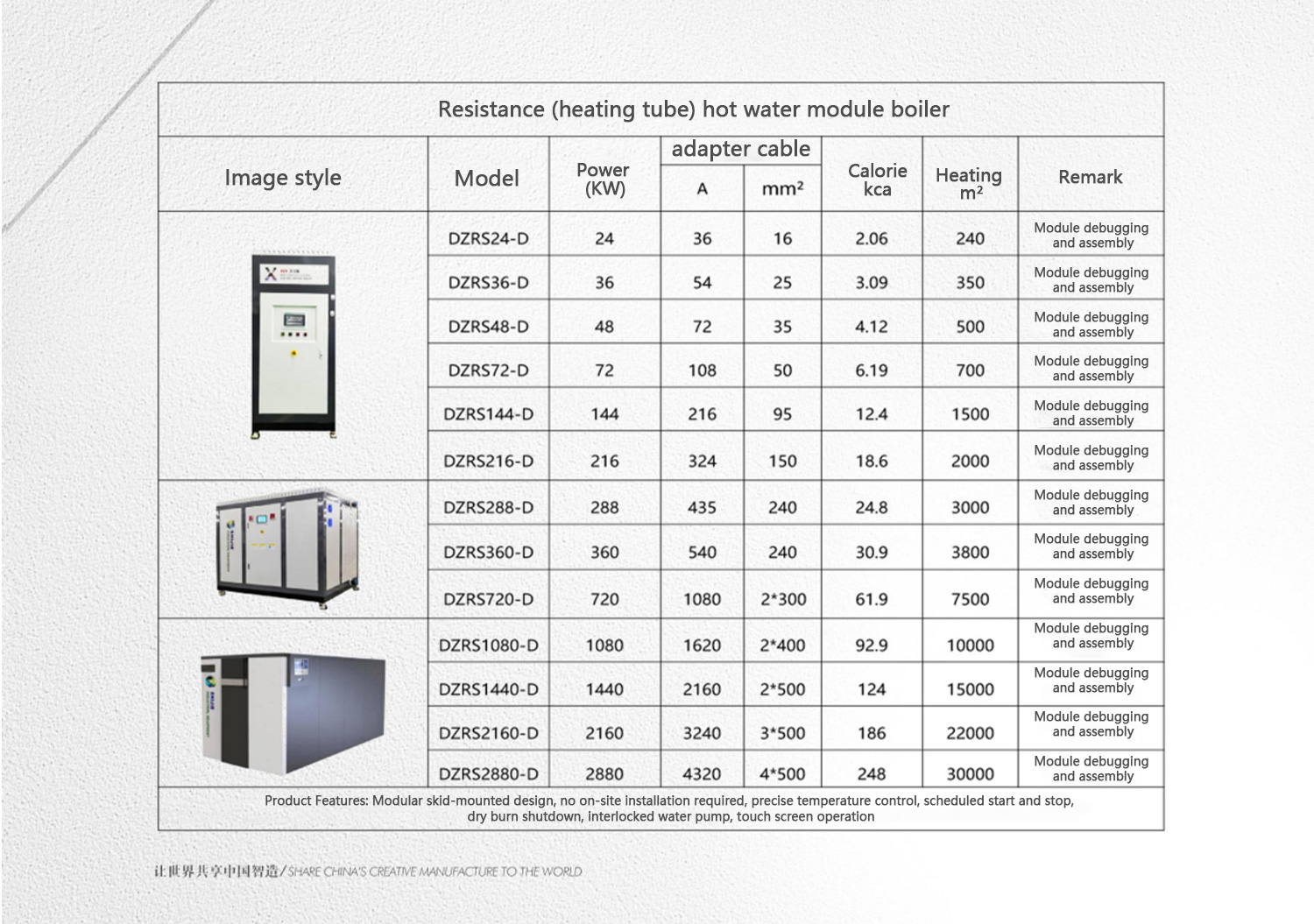
Power Selection (kW): Calculate based on thermal load. Factors such as heating area, building insulation, and hot water temperature requirements are critical. Always include a reasonable margin.
Type Selection:
Resistance-Type: Suitable for most applications, mature technology, and the market mainstream.
Electrode-Type: Suitable for ultra-high-power applications requiring rapid startup, such as large-scale district heating.
System Configuration:
Thermal Storage System: In regions with peak/off-peak electricity pricing, "electric boiler + thermal storage tank" is an ideal combination. Use low-cost off-peak electricity to heat water at night and utilize stored heat during the day, significantly reducing operating costs.
Hybrid System: Combine with solar, air energy, or other sources to form a multi-energy complementary system, prioritizing free energy sources with the electric boiler as backup.
Water Quality Requirements: Water treatment is essential. Even atmospheric pressure boilers require softened water to prevent scaling, which affects heating efficiency and service life.
Safety Protections: Ensure the equipment has national mandatory certifications (e.g., CCC) and comprehensive safety features (low-water, over-temperature, over-pressure, leakage protection, etc.).
Summary
Electric hot water boilers represent the pinnacle of environmental friendliness, safety, automation, and thermal efficiency. Their core value lies not in operational economy but in zero emissions, high controllability, and ease of installation.
They are most suitable for:
Environmentally sensitive areas such as urban cores, scenic spots, hospitals, and schools.
Projects with favorable peak/off-peak electricity pricing that can incorporate thermal storage systems.
Serving as backup or auxiliary heat sources or for applications with low thermal loads.
Retrofit projects with space constraints, no fuel pipelines, or no chimney conditions.
Before making a decision, conduct detailed power capacity assessments and operating cost calculations to comprehensively evaluate their pros and cons for the most informed choice.