Oil fired gas hot water boiler
Oil/Gas Vacuum Hot Water Boilers
Core Features of Vacuum Hot Water Boilers
Oil/gas vacuum hot water boilers have garnered significant attention due to their advantages, which are hard to match by traditional boilers:
Ultimate Safety: The boiler operates under negative pressure (vacuum) conditions (normal operating temperature below 90°C, vacuum level below -30KPa). The interior of the boiler is a vacuum environment with pressure lower than atmospheric pressure. This means the boiler poses no risk of expansion or explosion, and its safety and reliability are unmatched by atmospheric and pressurized boilers.
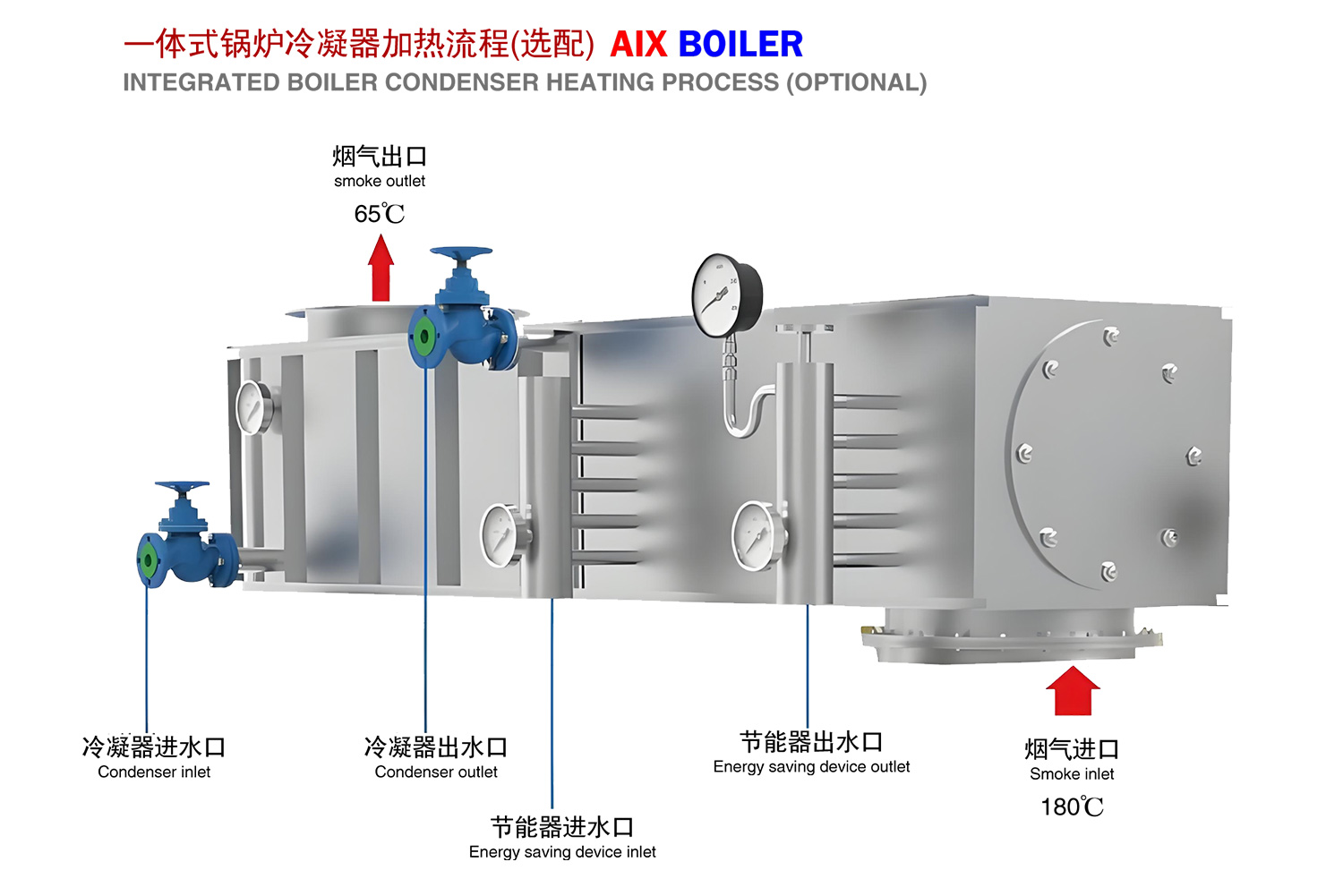
High Efficiency and Energy Savings: The boiler utilizes latent heat of vaporization (condensation) for heat exchange, resulting in very high thermal efficiency. Many products achieve over 91% efficiency, and some models with condensing technology even claim thermal efficiency up to 104%. This means it uses fuel more effectively, reducing operating costs.
Long Lifespan and Resistance to Scaling/Corrosion: The high-purity thermal media water (treated through softening, deoxygenation, desalination, etc.) inside the boiler is sealed within a closed system—not entering, exiting, increasing, or decreasing. This means it almost never scales or corrodes. Its service life is significantly extended, with a design lifespan of over 20 years, which is about twice that of ordinary boilers (typically 8-10 years).
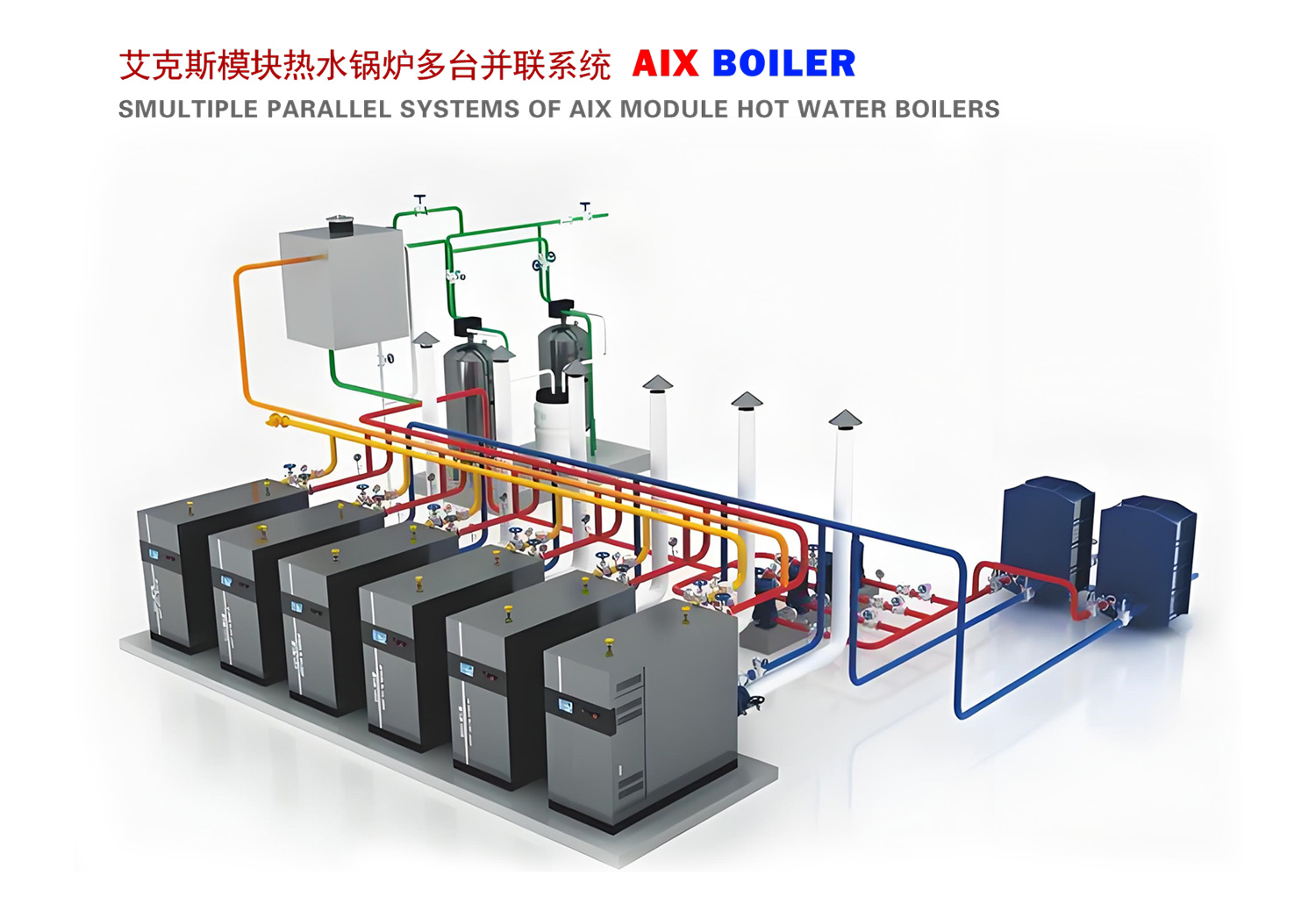
Versatility and Flexibility: A single vacuum hot water boiler can be equipped with multiple independent heat exchangers, allowing it to simultaneously provide hot water for different purposes and temperatures, such as heating, domestic hot water, and pool heating. The modular design also allows multiple boilers to be installed in parallel, adapting to various spatial and load requirements.
Environmentally Friendly: It typically uses clean fuels like natural gas or light oil, paired with advanced burners, resulting in low noise and exhaust emissions. This makes it easy to meet emission standards for Class I areas and even tourist regions.
Low Maintenance and Convenience: National regulations explicitly state that it does not require approval, annual inspection, or a usage permit, and operators do not need a license. This is primarily due to its vacuum-sealed characteristics, which classify it not as a pressure vessel, simplifying many administrative procedures. Additionally, the fully automated control system enables unattended operation or (only requiring part-time supervision).
Working Principle and Basic Structure
The working principle of a vacuum hot water boiler is based on a simple physical phenomenon: the boiling point of water decreases as pressure decreases.
Under standard atmospheric pressure, water boils at 100°C. However, when pressure is reduced, such as in a vacuum environment (e.g., -0.02MPa), the boiling point of water can drop to 93°C or even lower. Vacuum hot water boilers operate within a pressure range of -0.02MPa or lower.
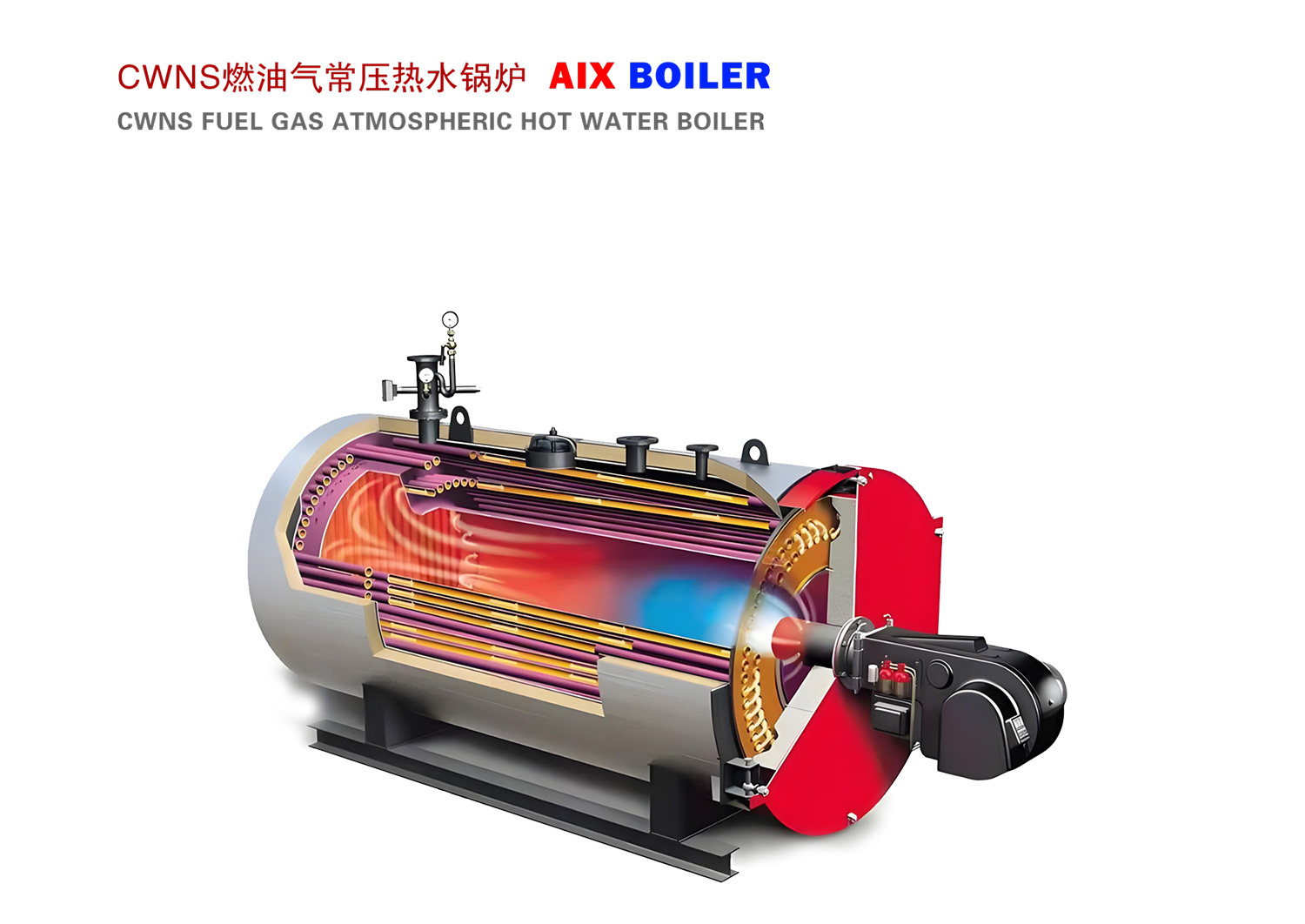
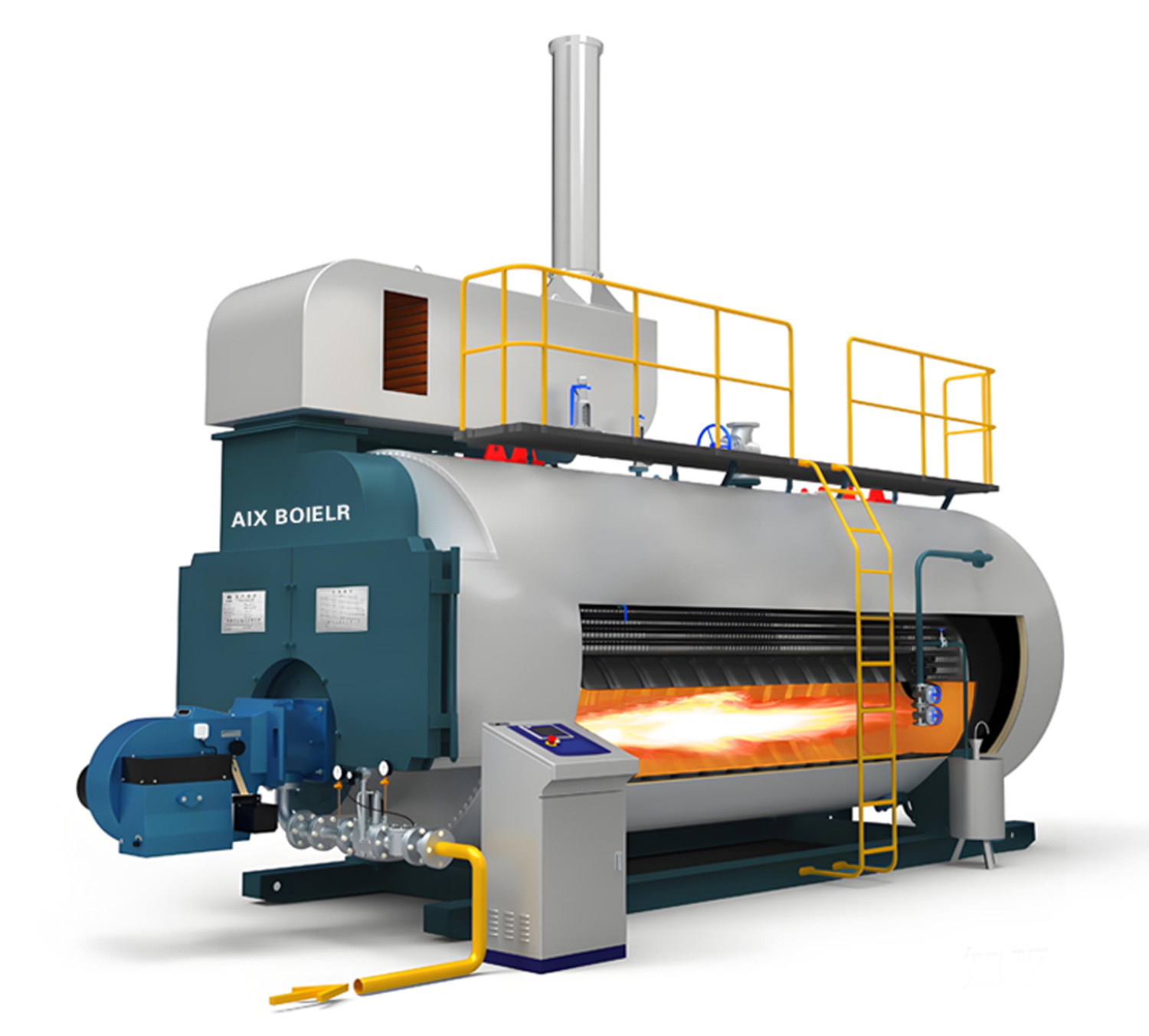
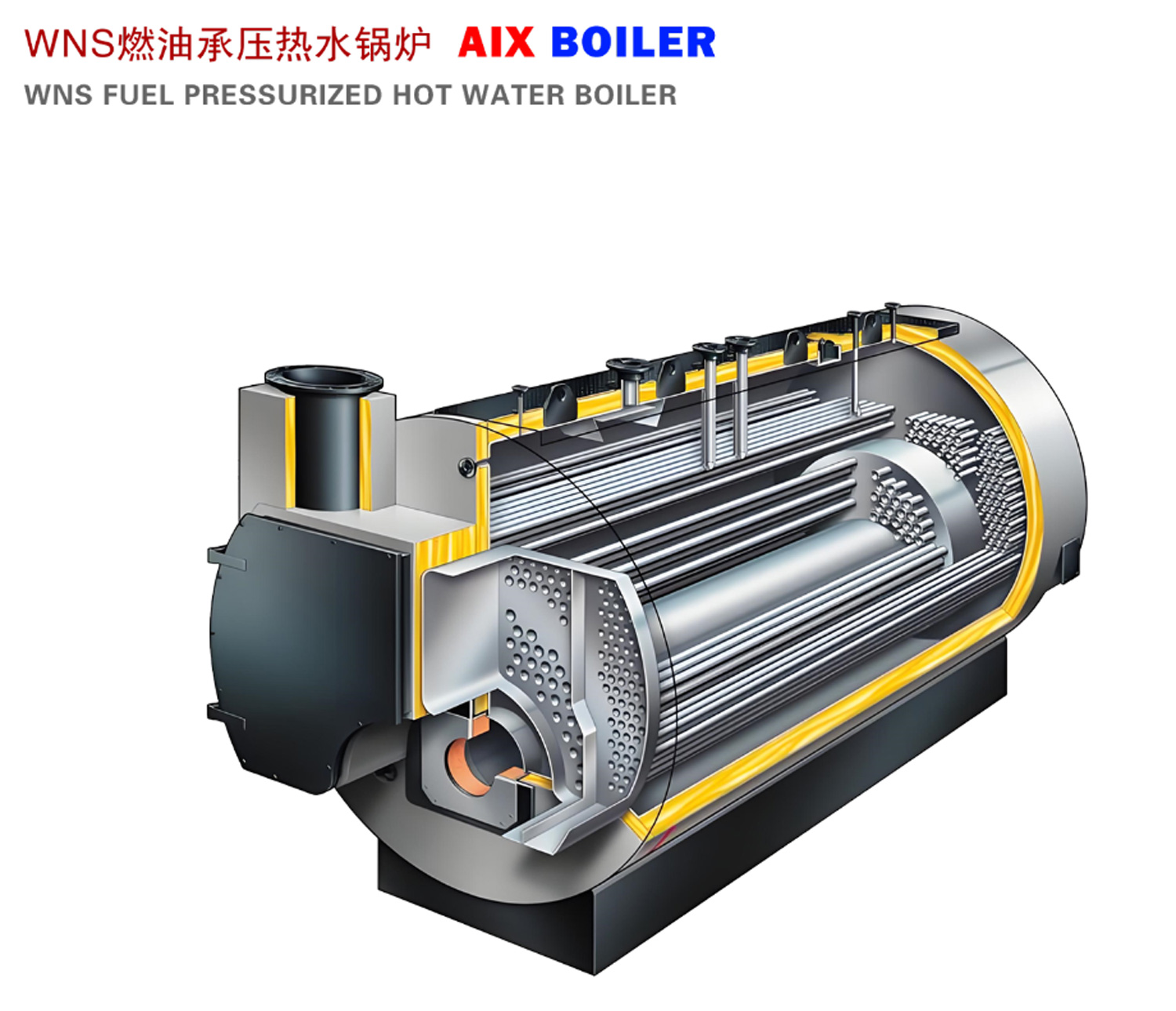
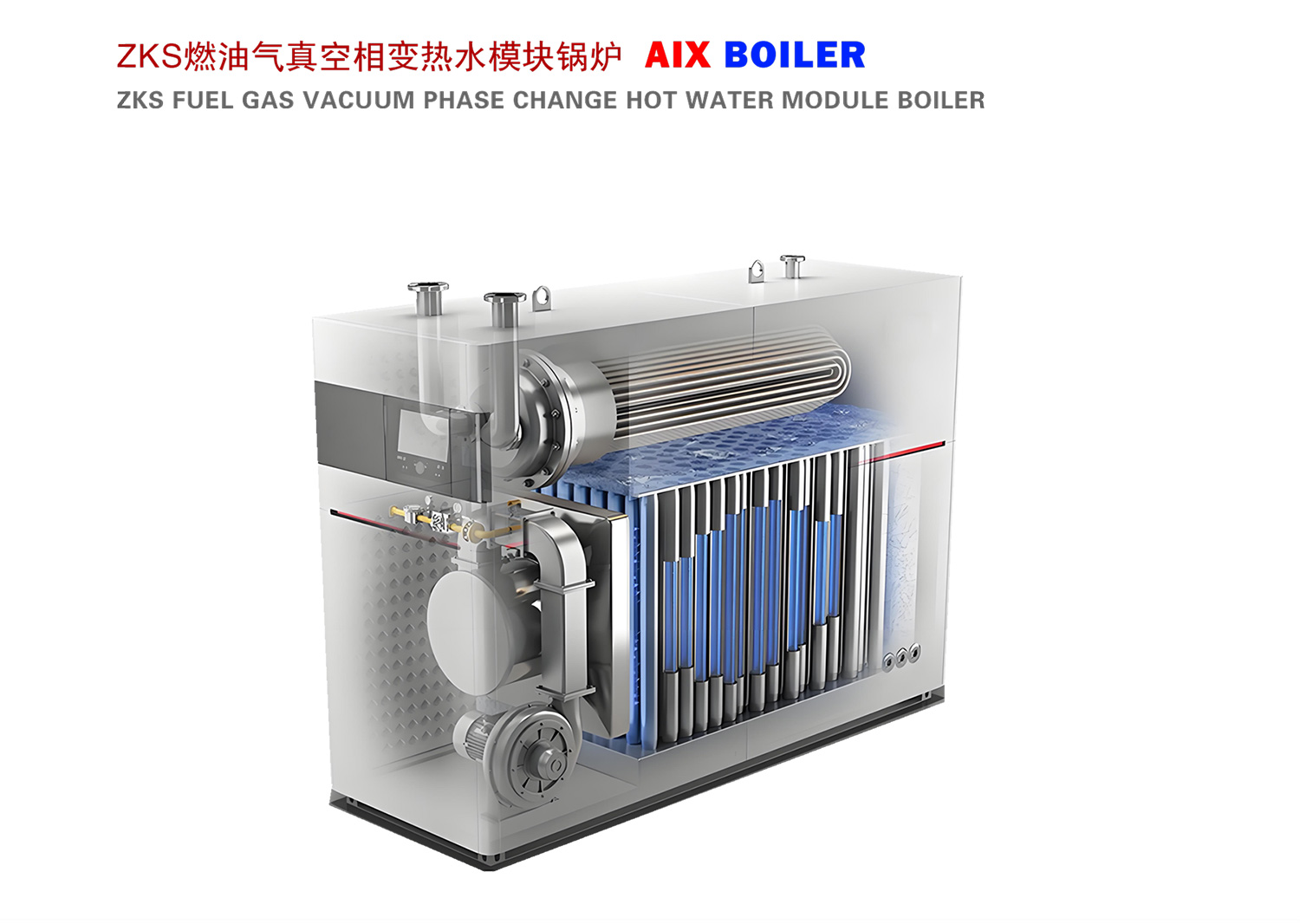
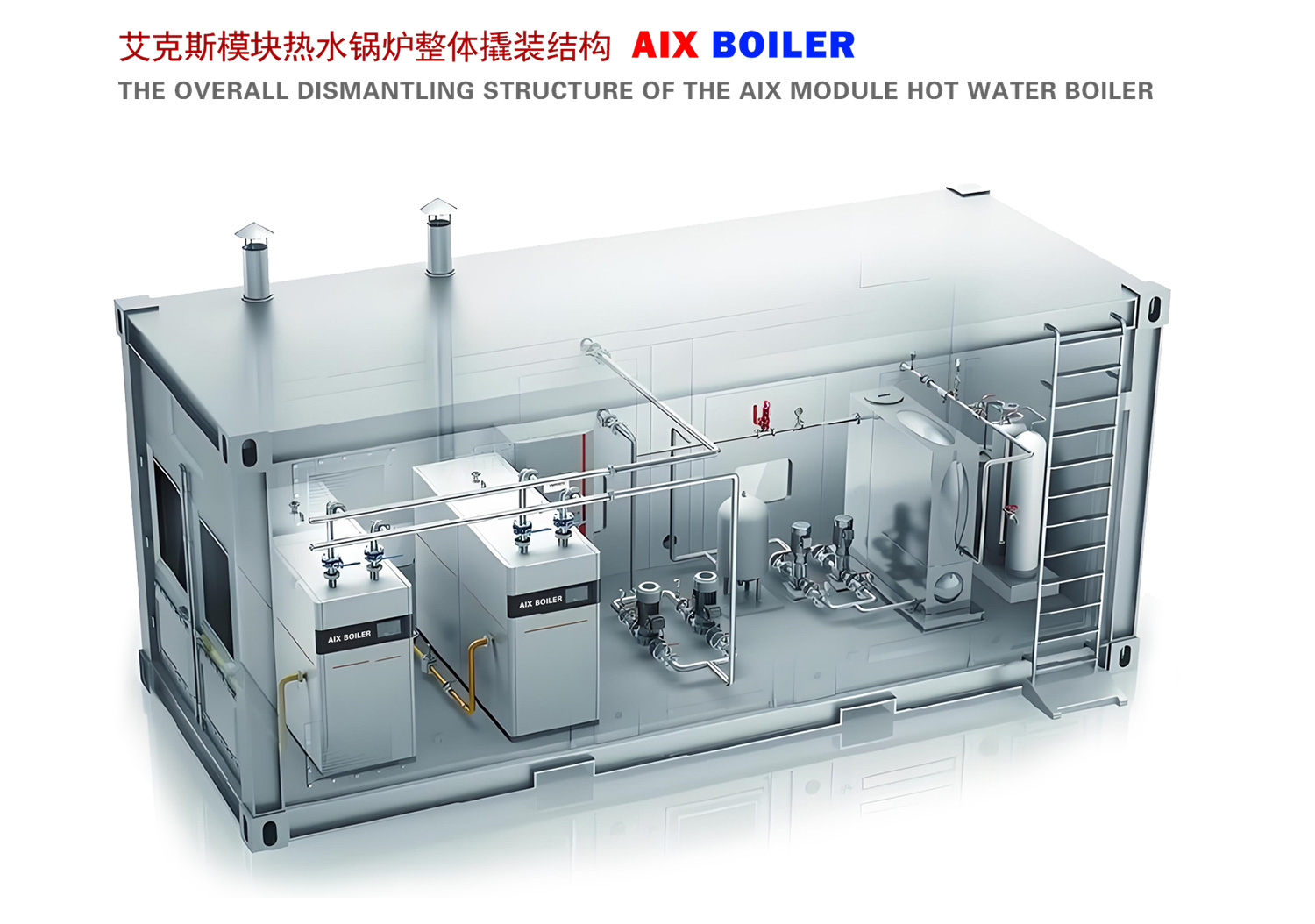
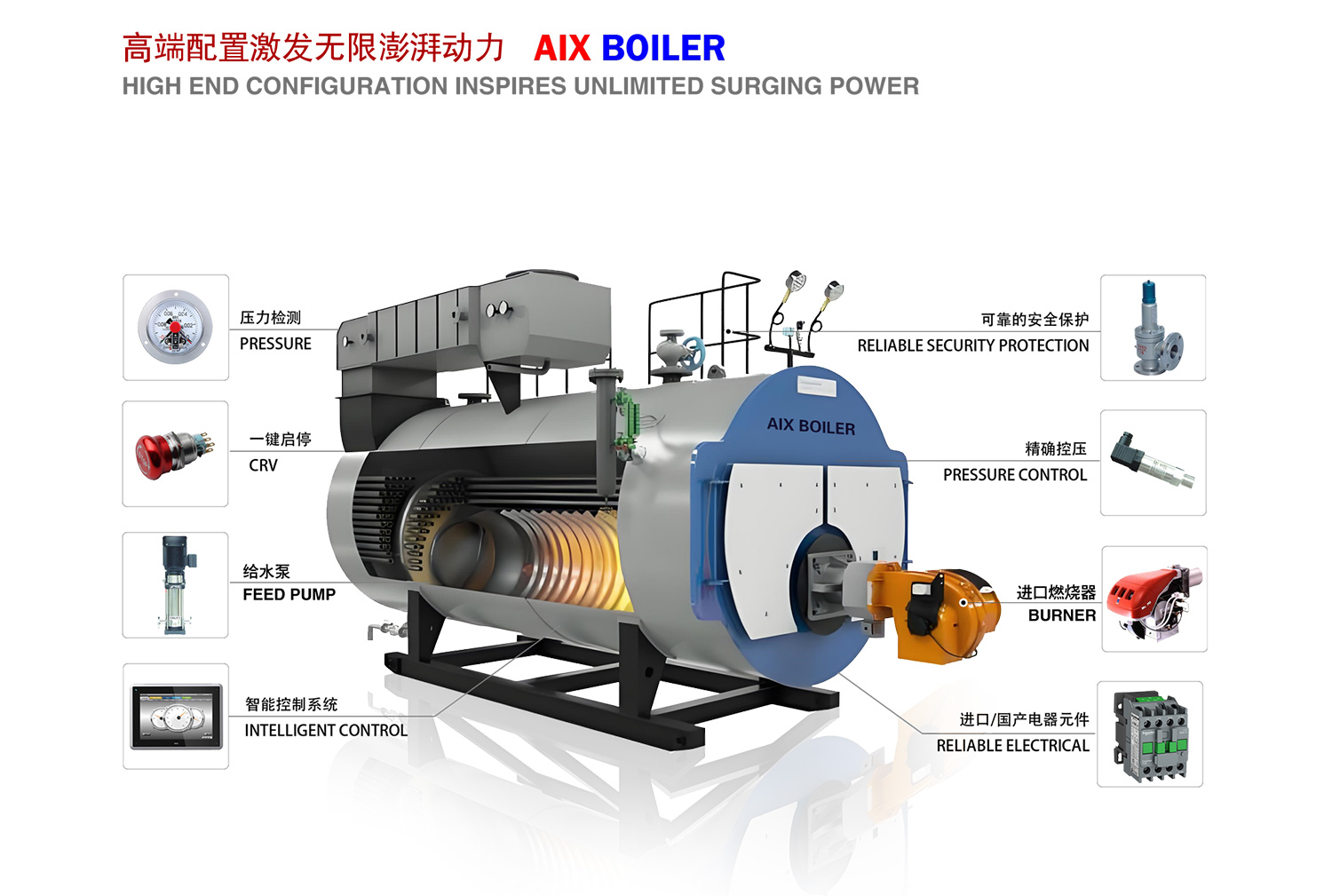
The lower part of the boiler's structure is similar to that of ordinary boilers, consisting of a combustion chamber (furnace) and heat transfer tubes. The lower part is filled with thermal media (boiler water), while the upper part is a vacuum steam chamber where U-tube (or straight-tube) heat exchangers are inserted. Since the entire boiler operates under negative pressure, it is absolutely safe.
Main Technical Parameters and Performance (Reference)
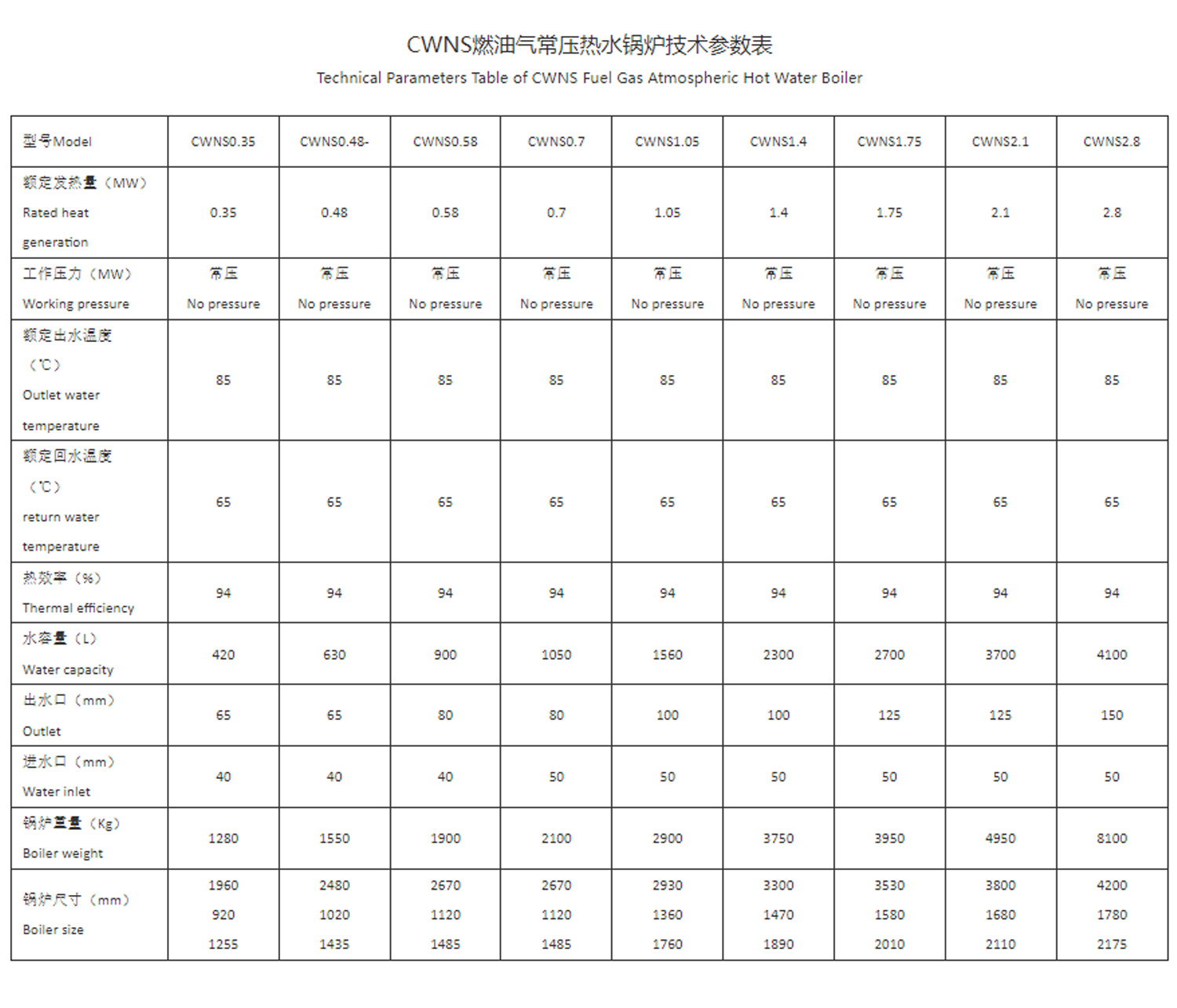
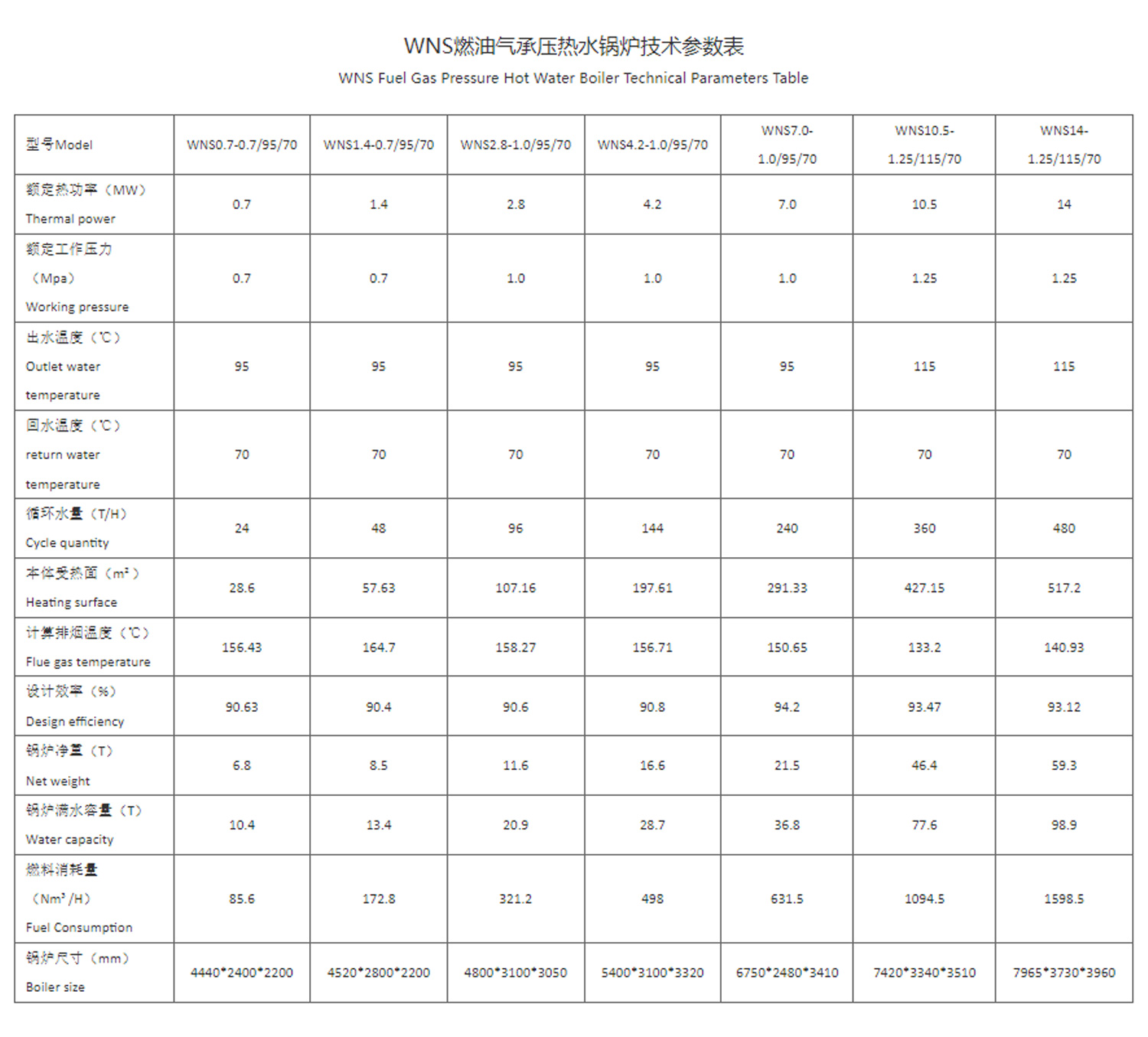
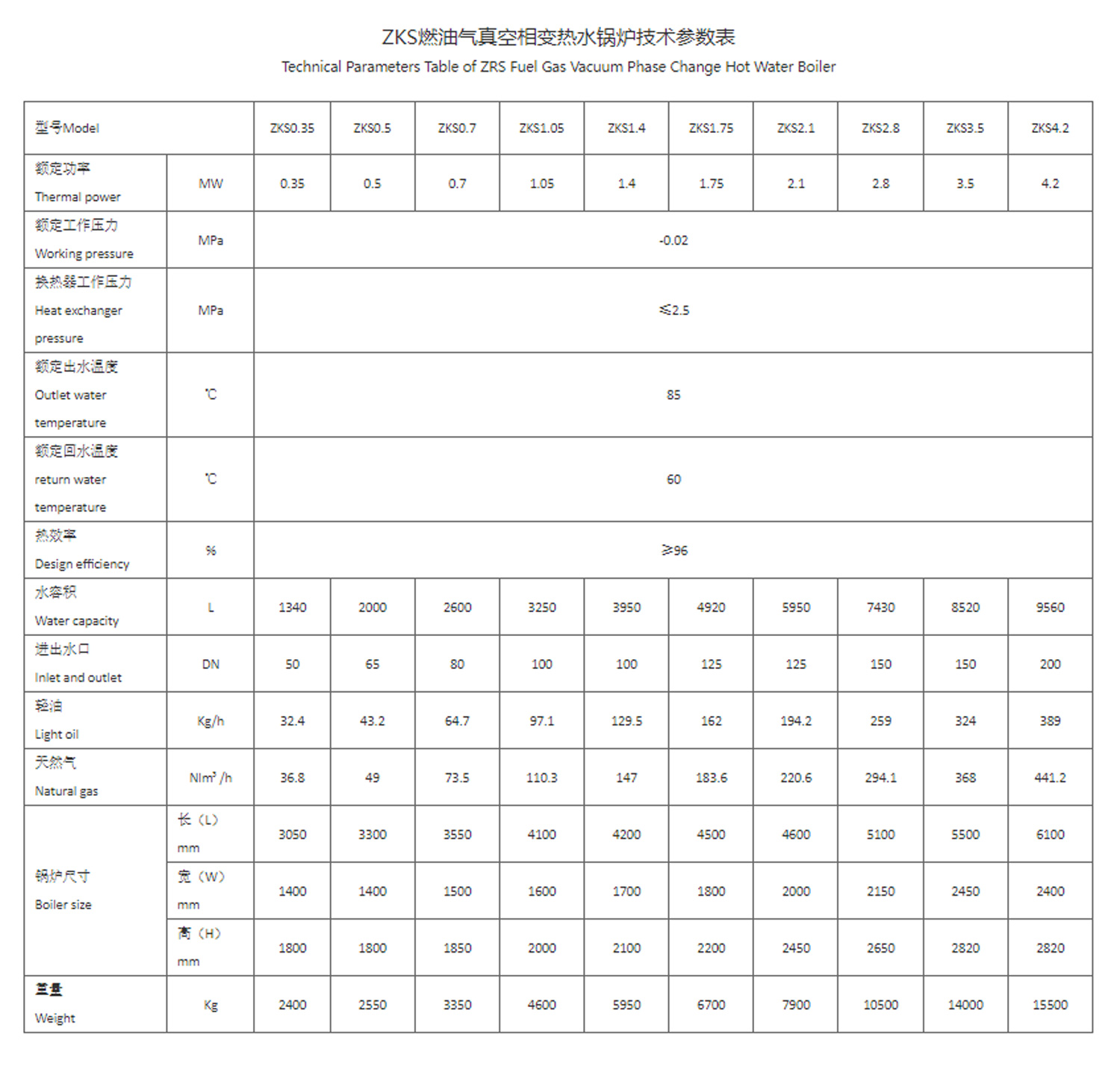
Design Thermal Efficiency: Generally not less than 93%, with many products reaching 95% or higher.
Rated Working Pressure: The pressure in the vacuum part of the boiler body is generally -0.02MPa; the heat exchanger working pressure can be ≤2.5MPa (depending on the model design).
Temperature Range: The rated outlet water temperature is generally around 85°C, and the rated return water temperature is generally 60°C, suitable for low-temperature hot water heating systems.
Applicable Fuels: Very broad, including natural gas, liquefied petroleum gas (LPG), city gas, light oil (diesel), heavy oil, methanol, etc.
Main Application Scenarios
Oil/gas vacuum hot water boilers are particularly suitable for the following scenarios due to their safety, environmental friendliness, and flexibility:
Boiler Installation Inside Buildings: Due to their absolute safety, they can be safely installed in basements, rooftops, intermediate floors, or even green belts. This is one of their most significant advantages.
Civil Heating and Hot Water Supply: Widely used in places requiring heating and large amounts of domestic hot water, such as hotels, residences, office buildings, bathing centers, schools, hospitals, and shopping malls.
District Heating: Can be used in regional boiler rooms to provide centralized heating for a group of buildings within a certain area.
Industrial Hot Water: Provides process hot water for certain industrial production processes.
Considerations for Selection and Use
Main Control Parameters: When selecting a boiler, pay attention to rated thermal power (heating capacity), design thermal efficiency, maximum outlet water temperature, fuel type, etc.
Thermal Efficiency Requirements: The design thermal efficiency of the selected product should comply with the "General Technical Conditions for Industrial Boilers" (JB/T10094-2002) and relevant energy efficiency standards (e.g., the "Design Standard for Energy Efficiency of Public Buildings" GB50189-2005 requires that the rated thermal efficiency of oil/gas steam and hot water boilers should be ≥89%).
Environmental Indicators: The pollutant emission concentrations of the boiler should comply with the "Emission Standard of Air Pollutants for Boilers" (GB13271-2001). For example, for gas boilers, the dust emission concentration limit is 50mg/m³, sulfur dioxide is 100mg/m³, and nitrogen oxides (NOx) are 400mg/m³. Many advanced models now achieve low nitrogen oxide emissions (e.g., below 80mg/m³ or even 30mg/m³).
Installation Location Restrictions: For boiler rooms located in high-rise or multi-story buildings, the single-unit thermal power of hot water boilers should not exceed 7MW, and the rated outlet hot water temperature should not exceed 95°C. Approval from local safety supervision agencies and fire departments should also be obtained.
Water Resistance Characteristics: Prefer products where the nominal flow resistance through the boiler is ≤0.08MPa.
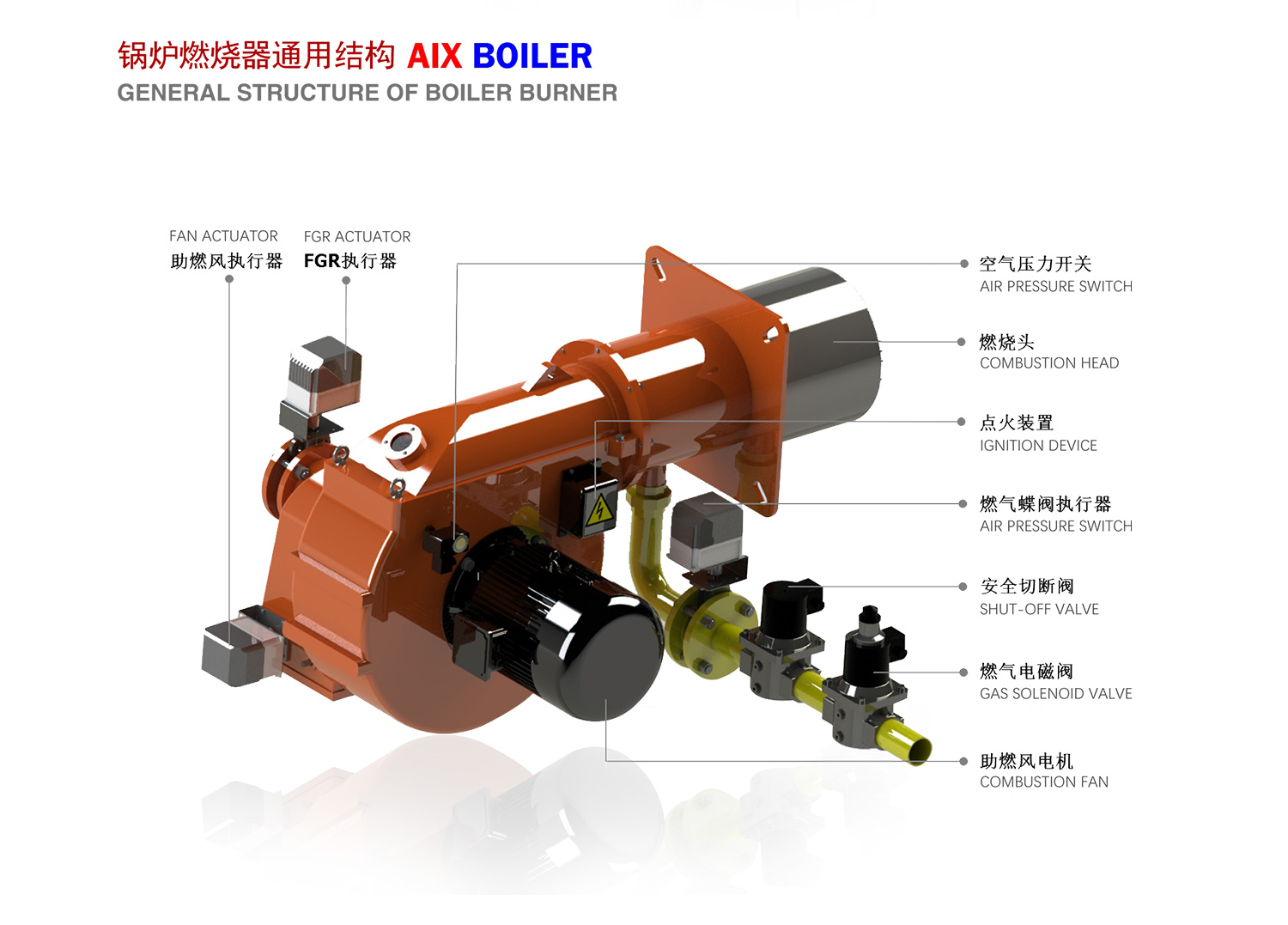
Brand and Quality: Pay attention to the quality and brand of core components such as the burner (common imported brands), heat exchanger material (stainless steel is preferred), and control system.
Summary
In summary, oil/gas vacuum hot water boilers achieve high safety, high efficiency, long service life, and multifunctionality through their unique vacuum phase change heat transfer principle. They are particularly suitable for scenarios where boilers need to be installed inside buildings, where safety and environmental requirements are high, and where multiple heat load requirements need to be met simultaneously.
Although the initial investment may be relatively high, their low operating costs, simple maintenance, long lifespan, and exemption from annual inspections often make them more economical over their entire lifecycle. When selecting a boiler, be sure to compare technical parameters, energy efficiency, and environmental indicators carefully based on your specific needs, and choose reputable brands and suppliers.