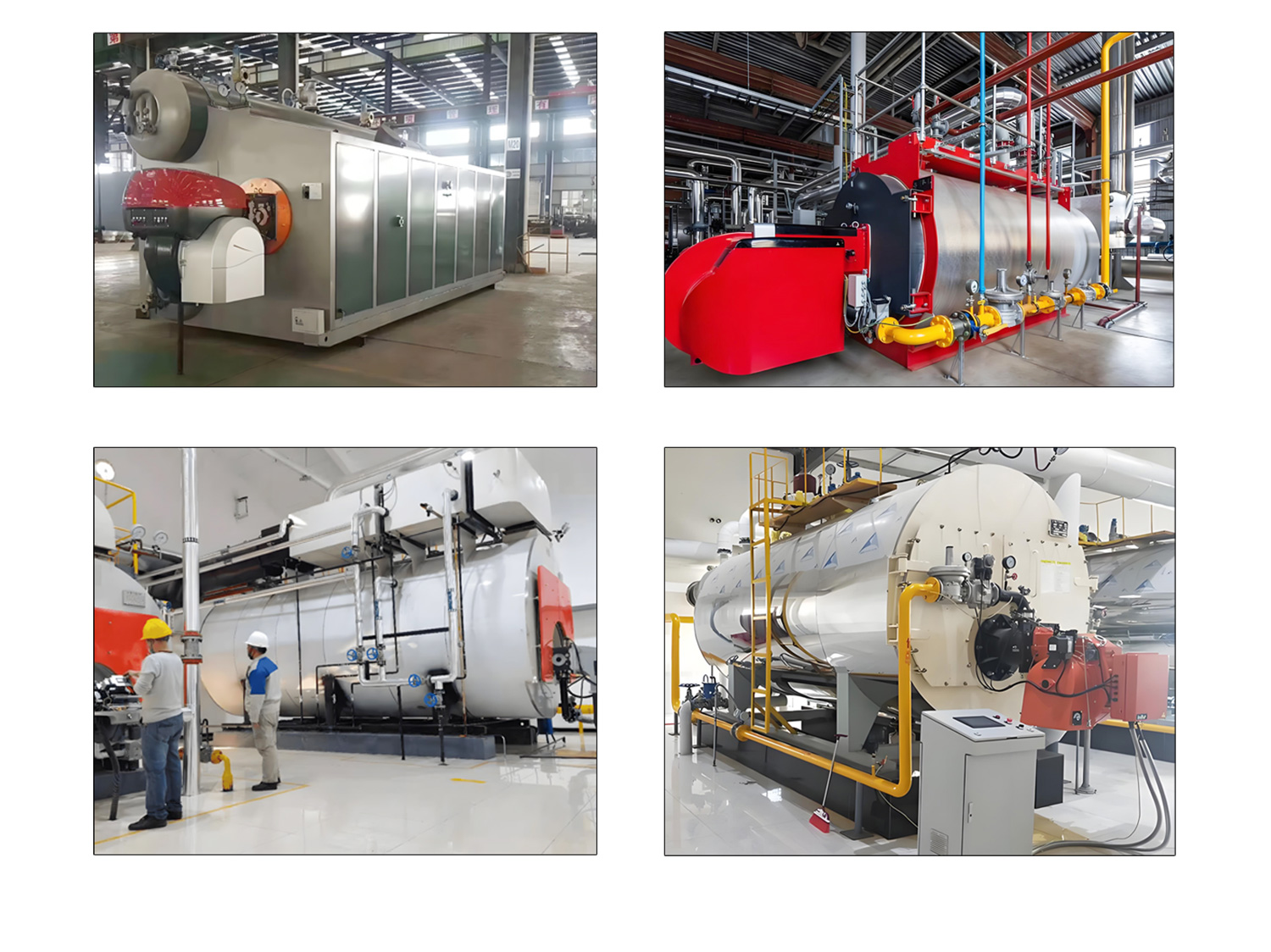
Fuel gas steam boiler

Oil/Gas Steam Boilers
An oil/gas steam boiler is a device that uses liquid fuel (e.g., diesel, heavy oil) or gaseous fuel (e.g., natural gas, liquefied petroleum gas, city gas) to heat water through combustion, generating steam. It is an indispensable "heart" equipment in industrial production, heating, and power generation, renowned for its high efficiency, high automation, and reliability.
1. Core Working Principle
The core of an oil/gas steam boiler is converting chemical energy into thermal energy through combustion and transferring this heat to water, causing it to vaporize. Based on structure, it is primarily divided into fire-tube boilers and water-tube boilers.
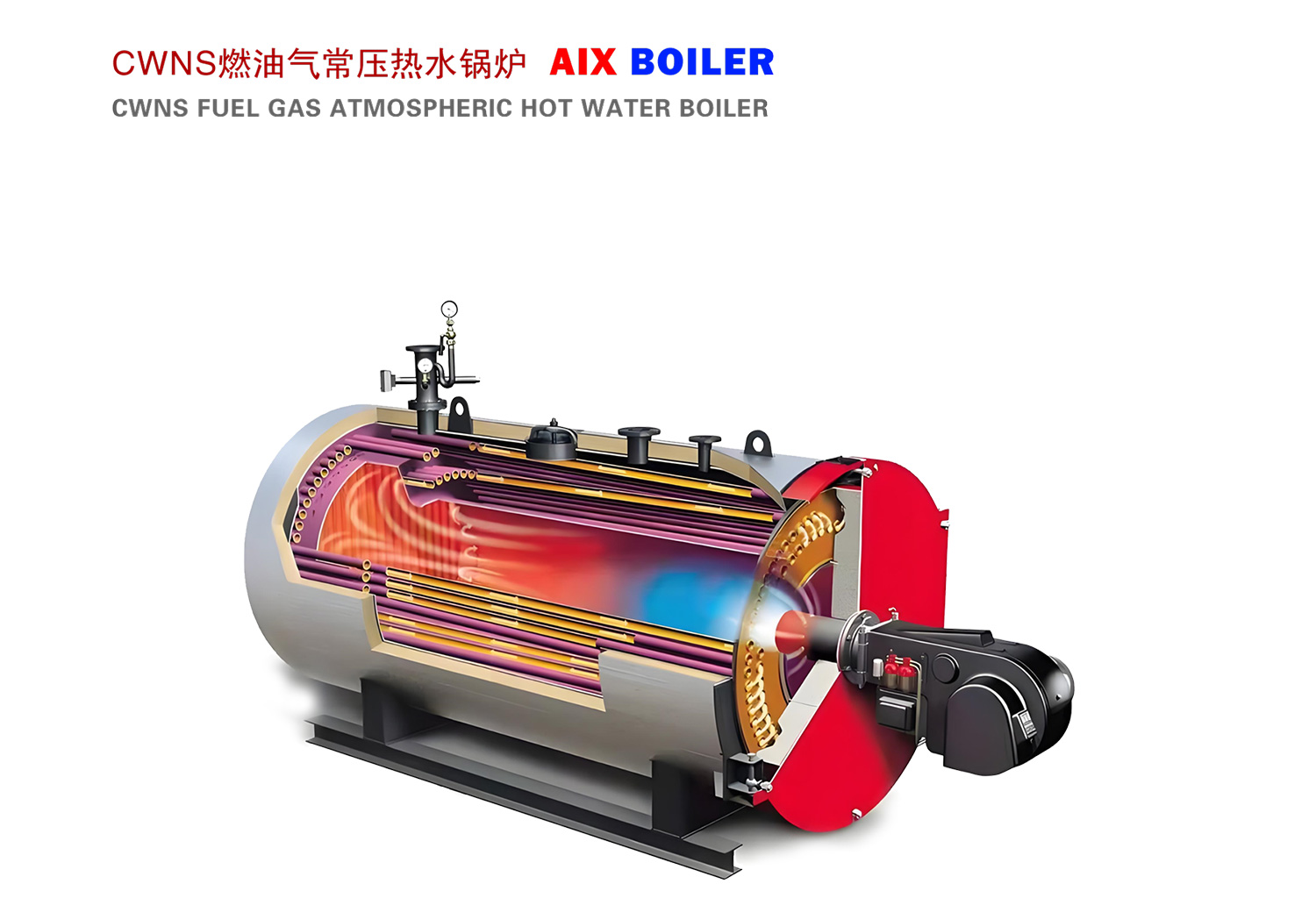
1. Fire-Tube Boiler
Principle: High-temperature flue gas flows inside pipes, while water surrounds the pipes externally. Heat is transferred through the pipe walls to the water.
Features: Simple structure, relatively low water quality requirements, fast startup, and easy operation and maintenance. However, pressure-bearing capacity is relatively low, and single-unit capacity is small. It is a common choice for small and medium-sized enterprises.
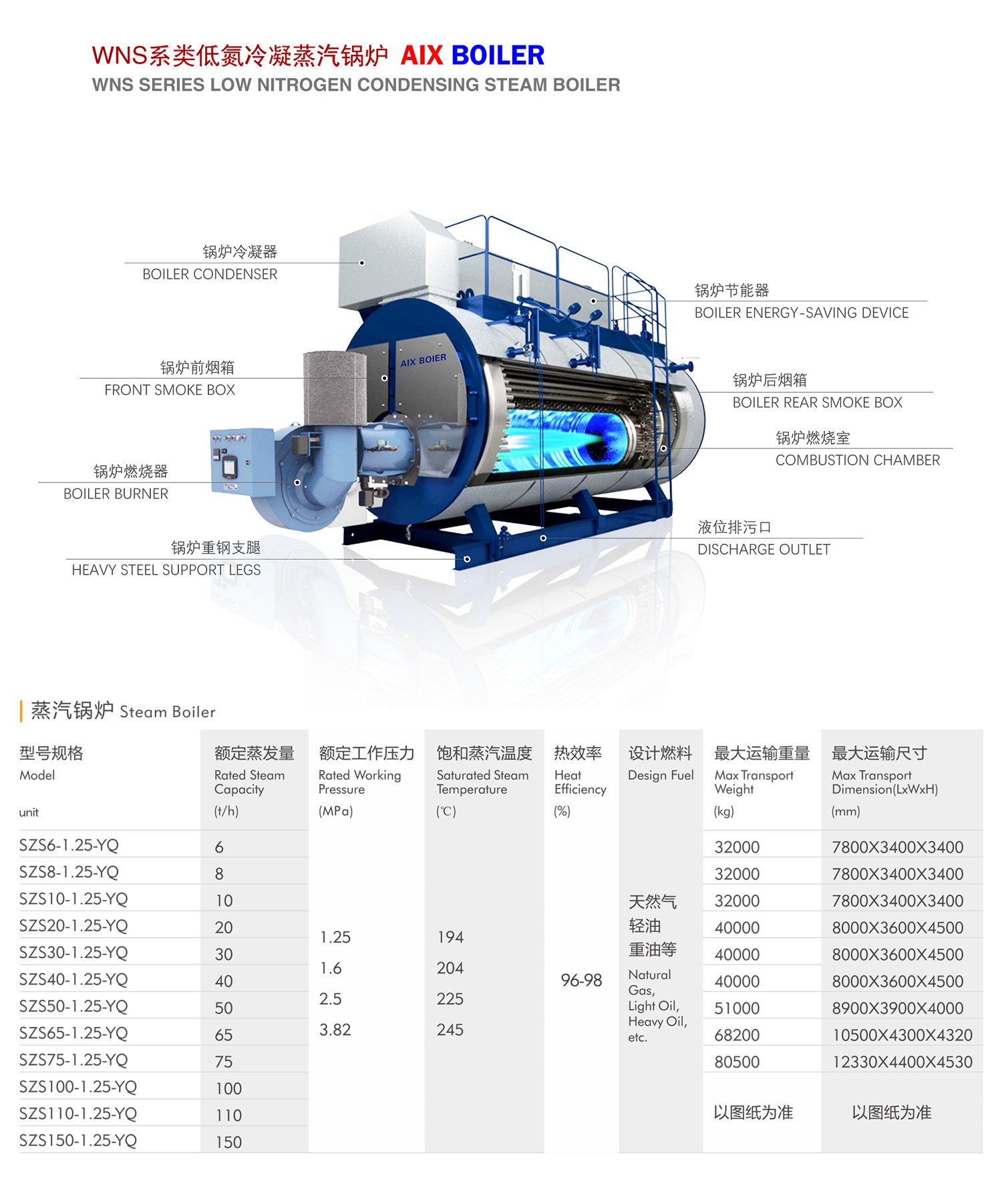
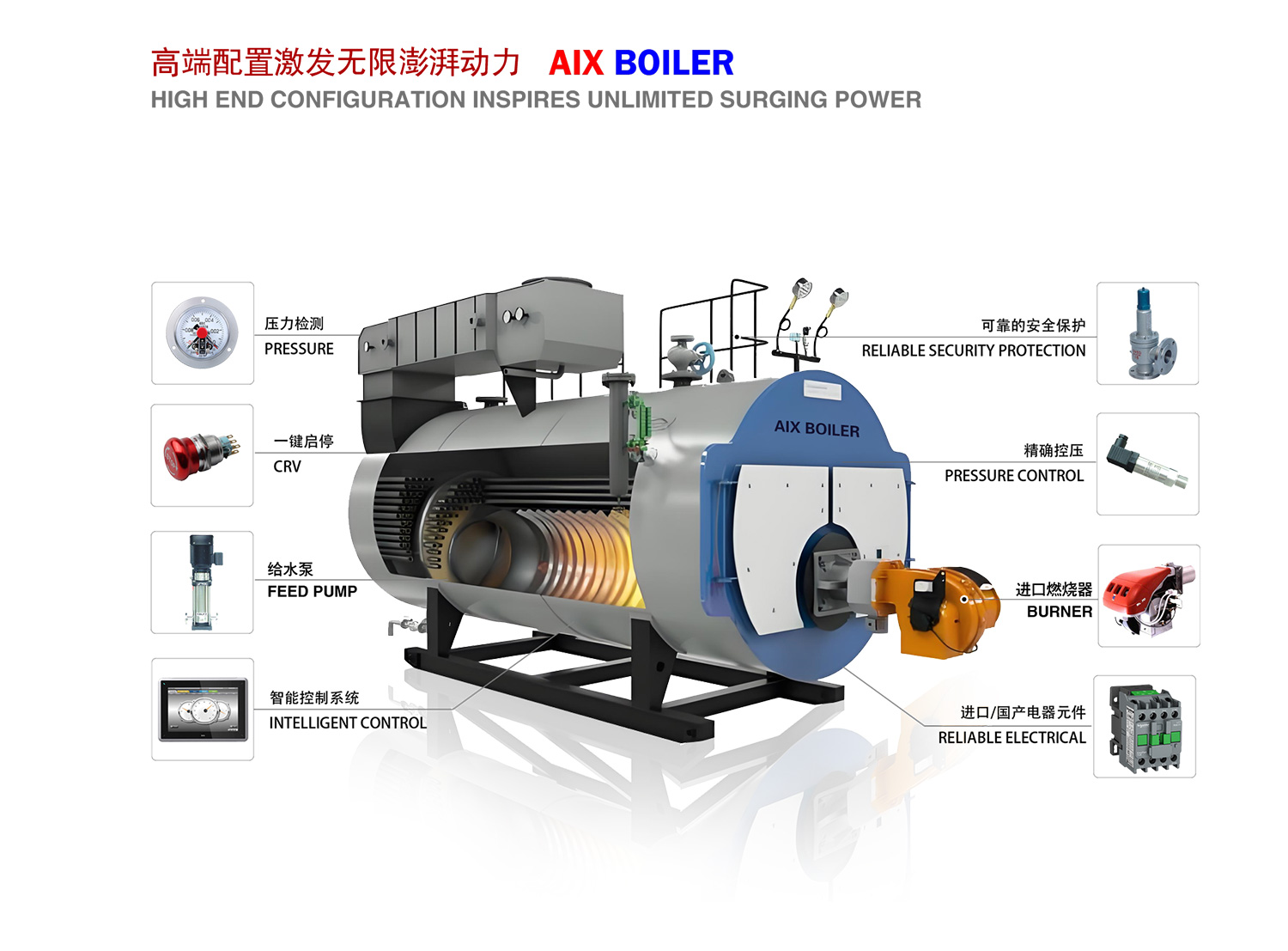
Common Type: The horizontal internal combustion three-pass boiler (WNS type) is a typical example.
2. Water-Tube Boiler
Principle: Water flows inside pipes, while high-temperature flue gas flows around the pipes to heat the water.
Features: Complex structure with high water quality requirements. However, it offers high pressure-bearing capacity, large evaporation capacity, and extremely high thermal efficiency, making it more suitable for large-capacity, high-parameter industrial applications.
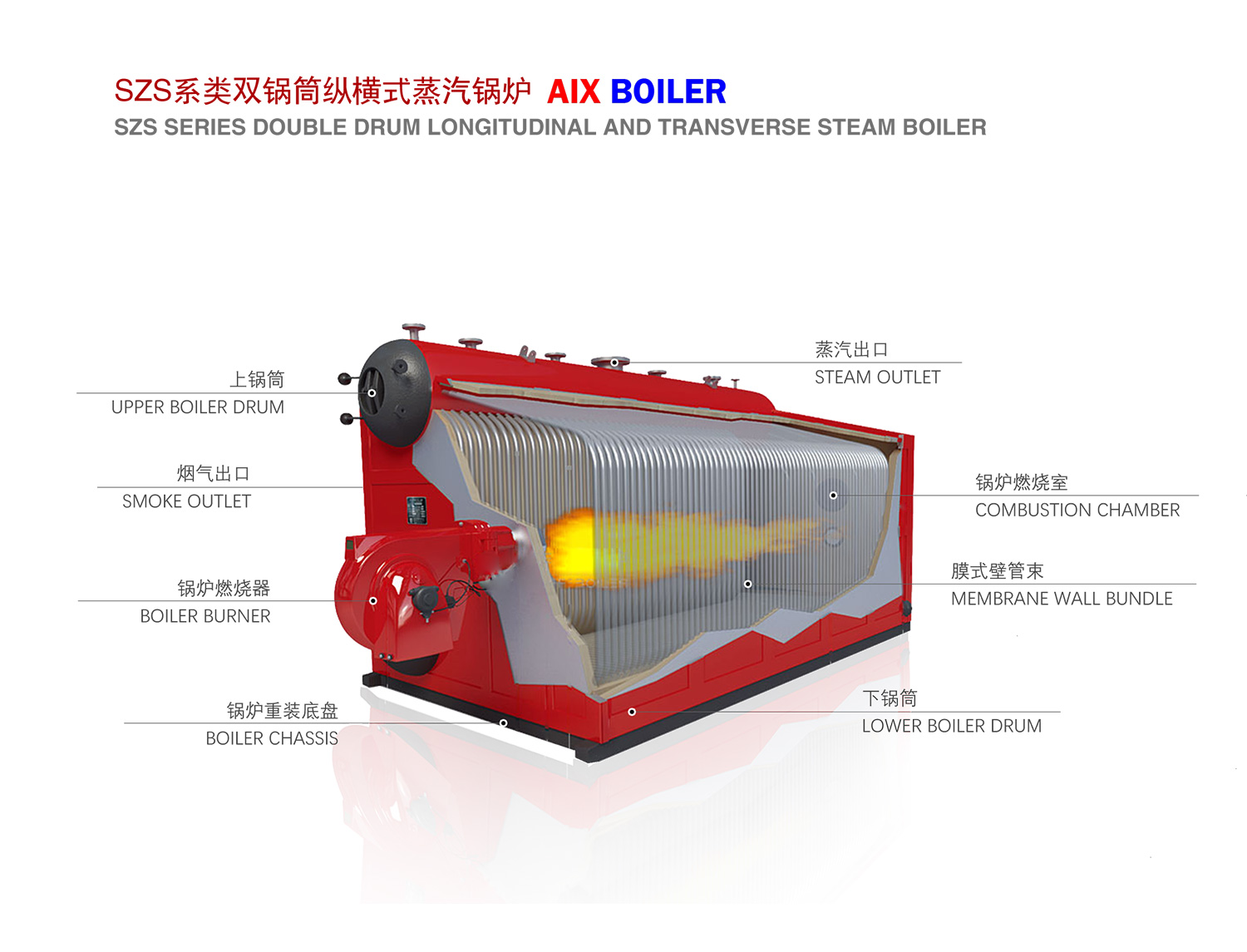
Common Type: The SZS type (double-drum longitudinal arrangement) is a common water-tube steam boiler.
Simplified Workflow:
Combustion System: Fuel is injected into the furnace through a burner, mixes with combustion air, and fully combusts to produce high-temperature flue gas.
Heat Transfer System: The high-temperature flue gas flows through heating surfaces (e.g., furnace chamber, smoke tubes) according to the designed path (three-pass, two-pass, etc.), transferring heat to the water in the drum.
Steam-Water System: The heated water produces steam, which gathers and separates in the drum (via a steam-water separator) to form dry saturated steam.
Exhaust and Control: The cooled flue gas is discharged through the chimney. The entire process is precisely controlled by an automated control system (PLC) for parameters such as water level, pressure, and temperature.
2. Key Features and Advantages
High Thermal Efficiency:
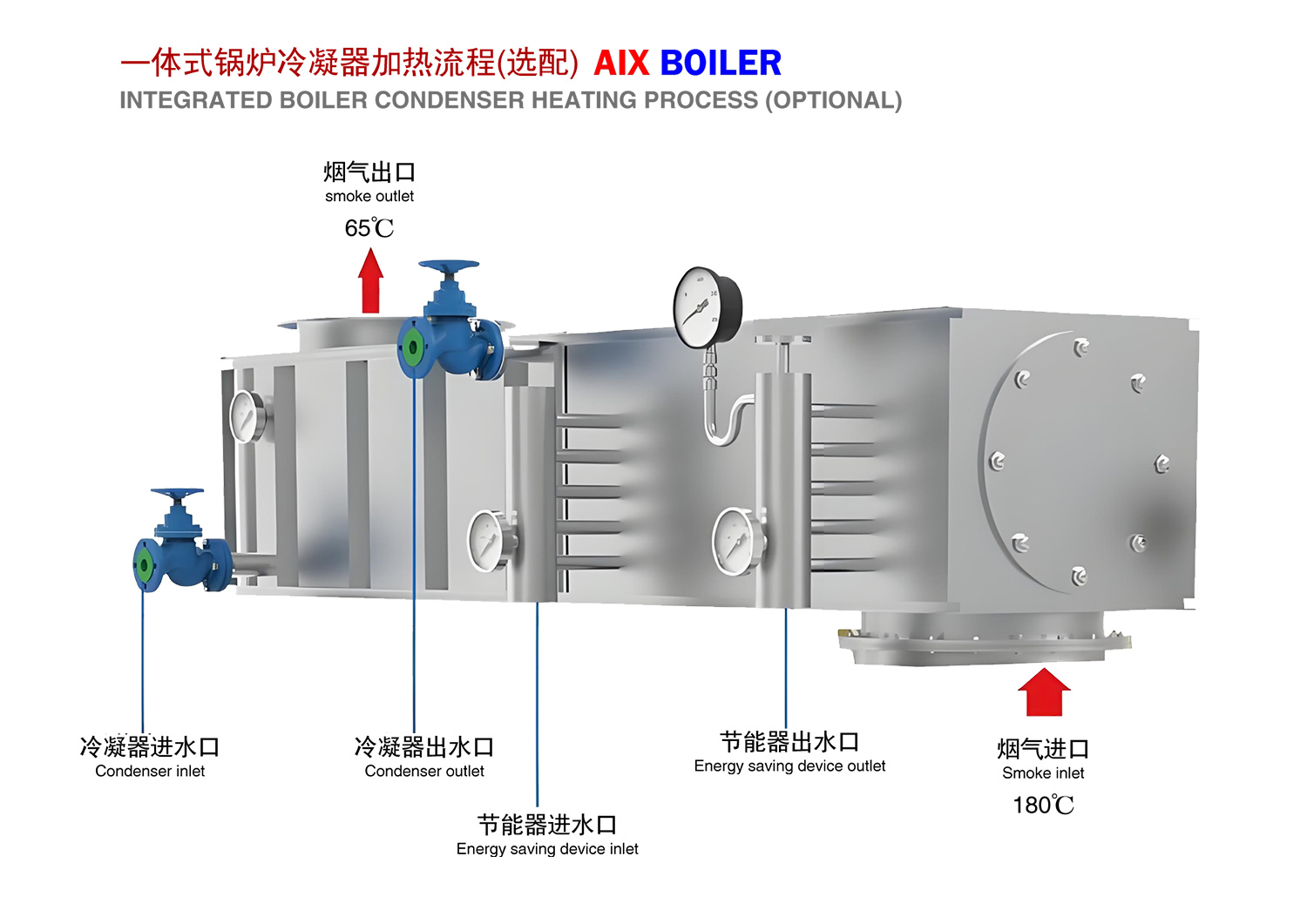
Advanced technologies such as three-pass design, condensing technology, and oxygen-enriched combustion fully recover sensible and latent heat from flue gas. Modern oil/gas steam boilers typically achieve thermal efficiency exceeding 95%, far surpassing coal-fired boilers.
Fast Steam Generation and High Steam Quality:
Due to their compact structure and relatively small water capacity, these boilers have low thermal inertia and can generate steam quickly.
Equipped with efficient steam-water separation devices, they provide drier saturated steam, improving process quality.
Fully Automated Intelligent Operation:
Equipped with fully automatic burners and PLC control systems, they enable one-click start/stop, automatic load adjustment, self-diagnosis, and remote monitoring, achieving truly unattended operation.
Excellent Environmental Performance (with Low-NOx Technology):
The use of clean fuels (especially natural gas) inherently produces no dust or SO₂ (diesel requires desulfurization).
Technologies such as FGR (Flue Gas Recirculation) and low-NOx burners can control nitrogen oxide (NOx) emissions to below 30 mg/m³, easily meeting the strictest environmental standards.
Compact Structure and Easy Installation:
Integrated package design and compact layout minimize footprint. Compared to coal-fired boilers, they eliminate the need for coal yards and slag storage areas. Installation is simplified, requiring only connections to fuel pipelines, power sources, and steam pipelines.
3. Main Application Areas
Oil/gas steam boilers are used in almost all industries requiring steam:
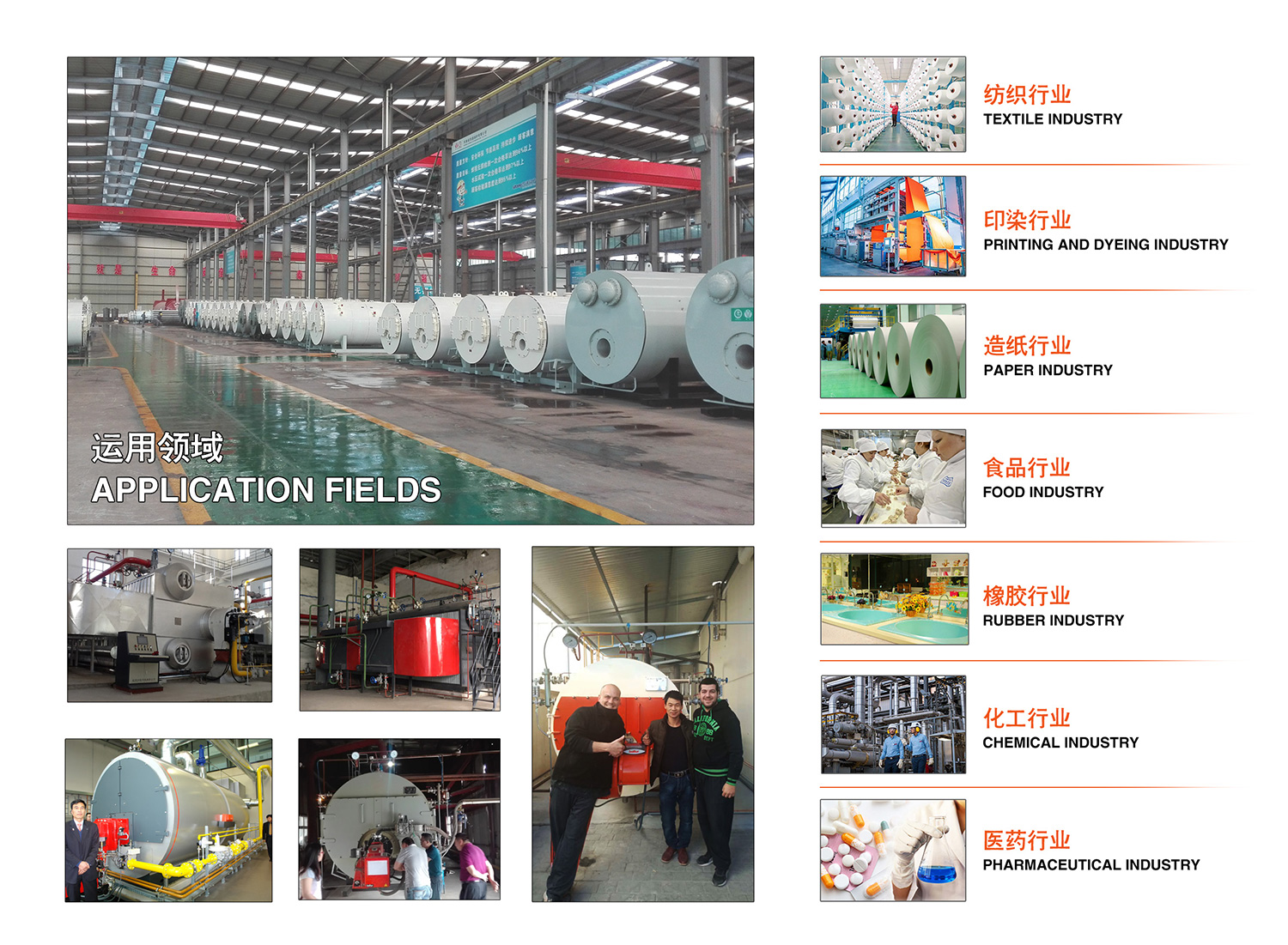
Industrial Processing: Food and beverage (cooking, sterilization, fermentation), textile printing and dyeing (shaping, drying), chemical industry (reaction, concentration), papermaking (drying), rubber (vulcanization), building materials (curing), etc.
Centralized Heating: Provides heating and domestic hot water for hospitals, schools, hotels, office buildings, and residential areas.
Power Generation: Drives steam turbines for power generation or serves as the core of combined heat and power (CHP) systems.
Other Fields: Agricultural greenhouse heating, laundries, electroplating factories, etc.
4. Potential Challenges and Disadvantages
High Operating Cost Volatility:
Economic viability is entirely dependent on international oil and gas prices, which account for the majority of operating costs. Long-term operating costs are uncertain.
Dependence on Fuel Infrastructure:
Natural gas usage requires dedicated pipelines or LNG/CNG stations. Diesel usage requires fuel storage tanks that comply with fire safety regulations.
Safety Risks:
Both oil and gas are flammable and explosive, and the boiler itself is a pressure vessel. Strict requirements apply to equipment quality, safety accessories (safety valves, pressure gauges, etc.), pipeline sealing, and operational protocols.
Professional Maintenance Required:
Despite high automation, components such as burners, control systems, and water treatment systems require regular professional maintenance to ensure efficient and safe operation.
5. Selection and Usage Guidelines
Determine Key Parameters:
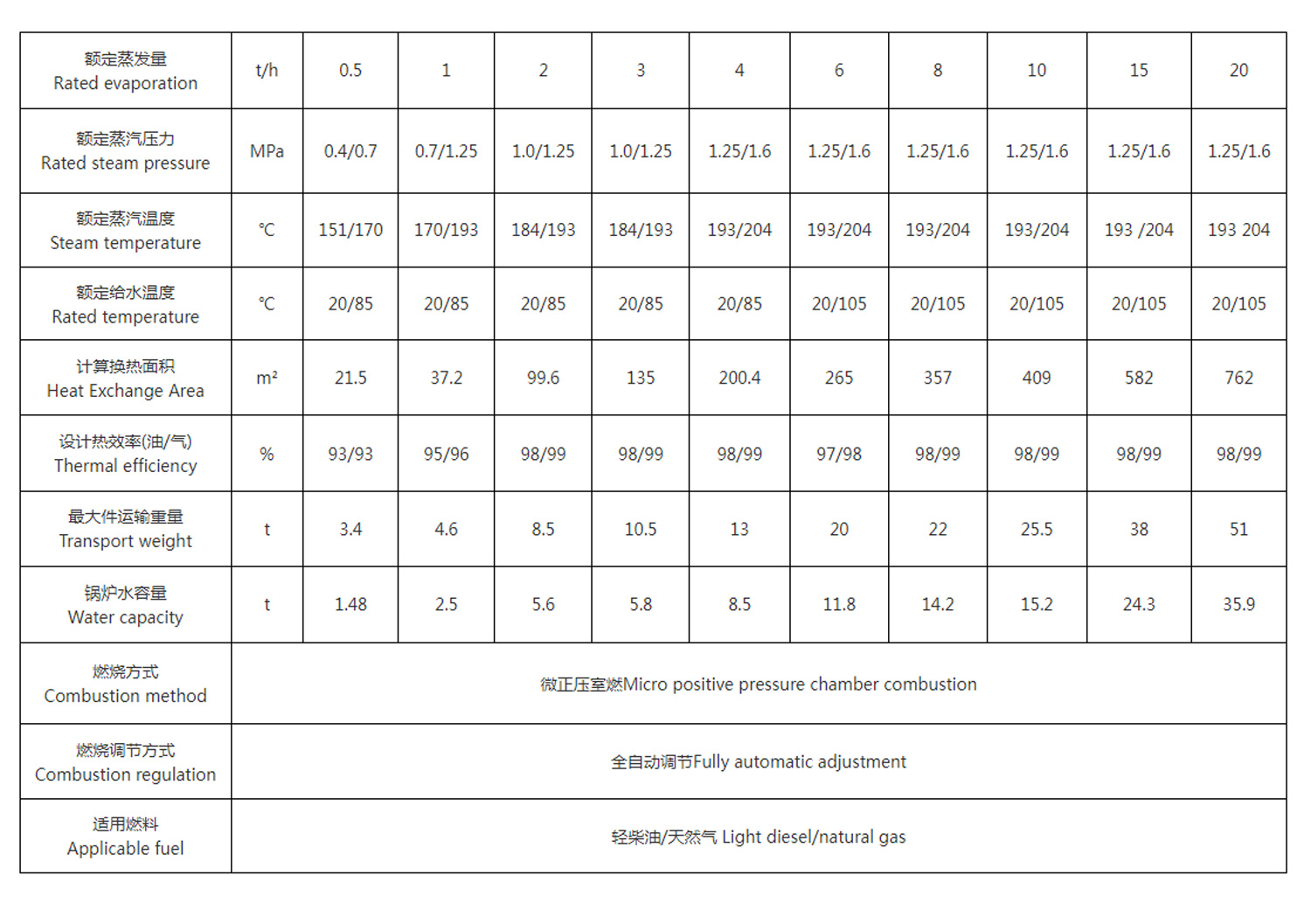
Evaporation Capacity (t/h): Select based on maximum steam demand, with an appropriate margin.
Working Pressure (MPa): Must meet the highest pressure requirement among all steam-using equipment.
Steam Temperature (°C): Saturated steam temperature is determined by pressure. If superheated steam is needed, an additional superheater must be configured.
Fuel Selection:
Prioritize Natural Gas: Pipeline natural gas is the economical, clean, and convenient choice.
Diesel as Backup or Alternative: Use only in areas without natural gas pipelines or as an emergency backup heat source.
Key Technologies and Configurations:
Low-NOx Burner: Mandatory in environmentally strict areas. Ensure selection of ultra-low NOx burners with emissions < 30 mg/m³.
Condenser: Highly recommended to recover latent heat from flue gas and significantly improve thermal efficiency.
Water Treatment System: The "kidneys" of the boiler. A qualified fully automatic soft water treatment device is essential to prevent scaling and corrosion, ensuring boiler lifespan and safety.
Brand and After-Sales Service:
Choose reputable brands (domestic and international well-known brands) with mature technology and ensure the supplier provides timely, professional installation, commissioning, and maintenance services.
Compliance:
Steam boilers are classified as special equipment (pressure vessels). Their design, manufacturing, installation, and use must be supervised and inspected by market regulatory authorities, and a usage registration certificate must be obtained.
Summary
Oil/gas steam boilers are high-efficiency, highly automated, and environmentally friendly modern steam power equipment. They perfectly balance performance, environmental friendliness, and operational convenience.
Most Suitable Scenarios:
Areas with strict environmental regulations, especially cities with mandatory low-NOx emission requirements.
Continuous production processes requiring stable, reliable, and high-quality steam.
Projects with limited space unable to accommodate large fuel storage areas.
Users seeking high automation to reduce labor costs.
Before making a decision, conduct detailed fuel availability assessments and full lifecycle cost analyses (including initial investment, operating costs, and maintenance costs). Choose qualified and experienced suppliers to ensure compliant, safe, and efficient system operation.
Video Presentation
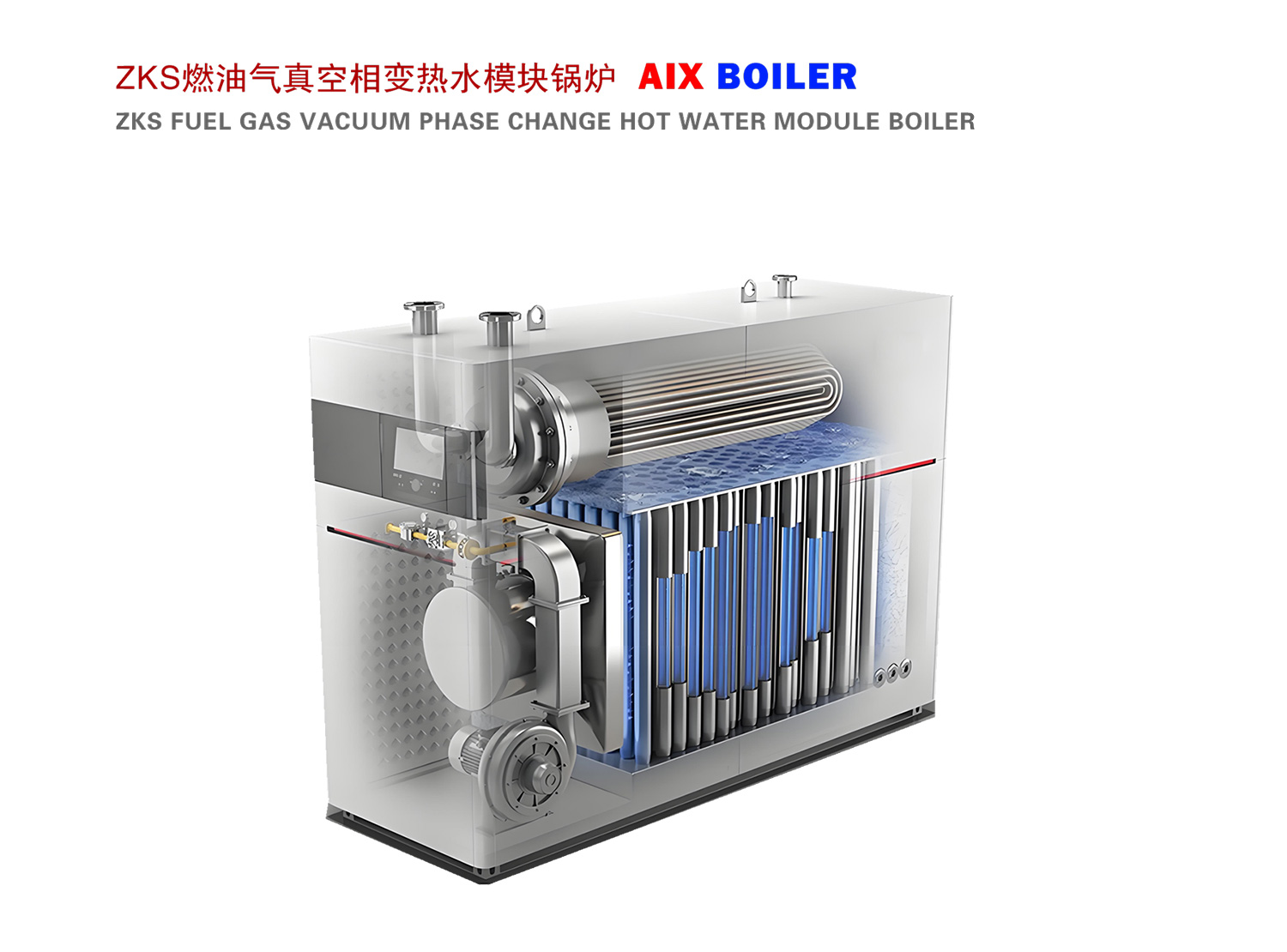
Skid mounted integrated fuel steam boiler, integrating equipment such as reverse osmosis water treatment, daily fuel tank, and steam separation cylinder