


Electric steam boiler
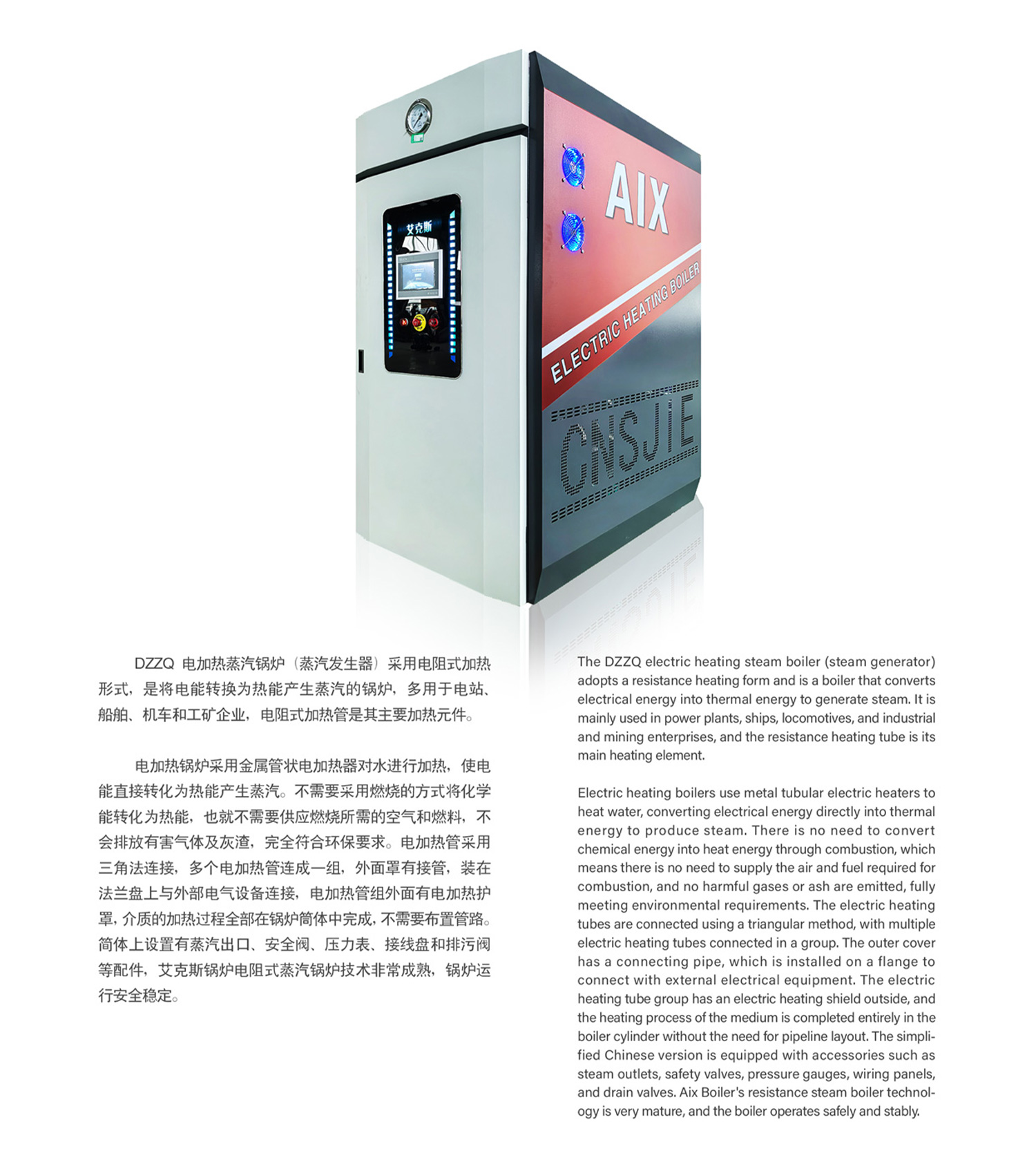
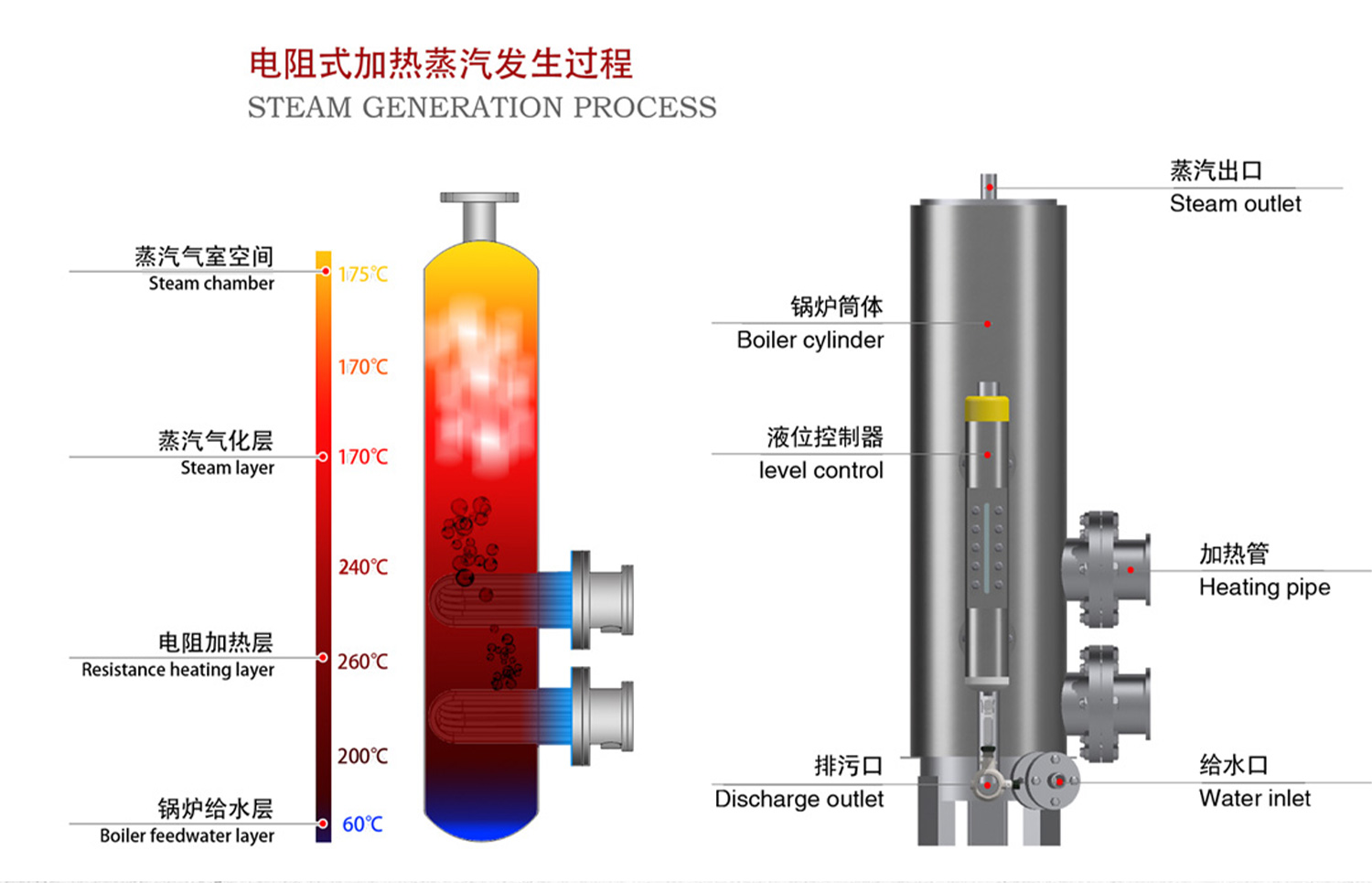
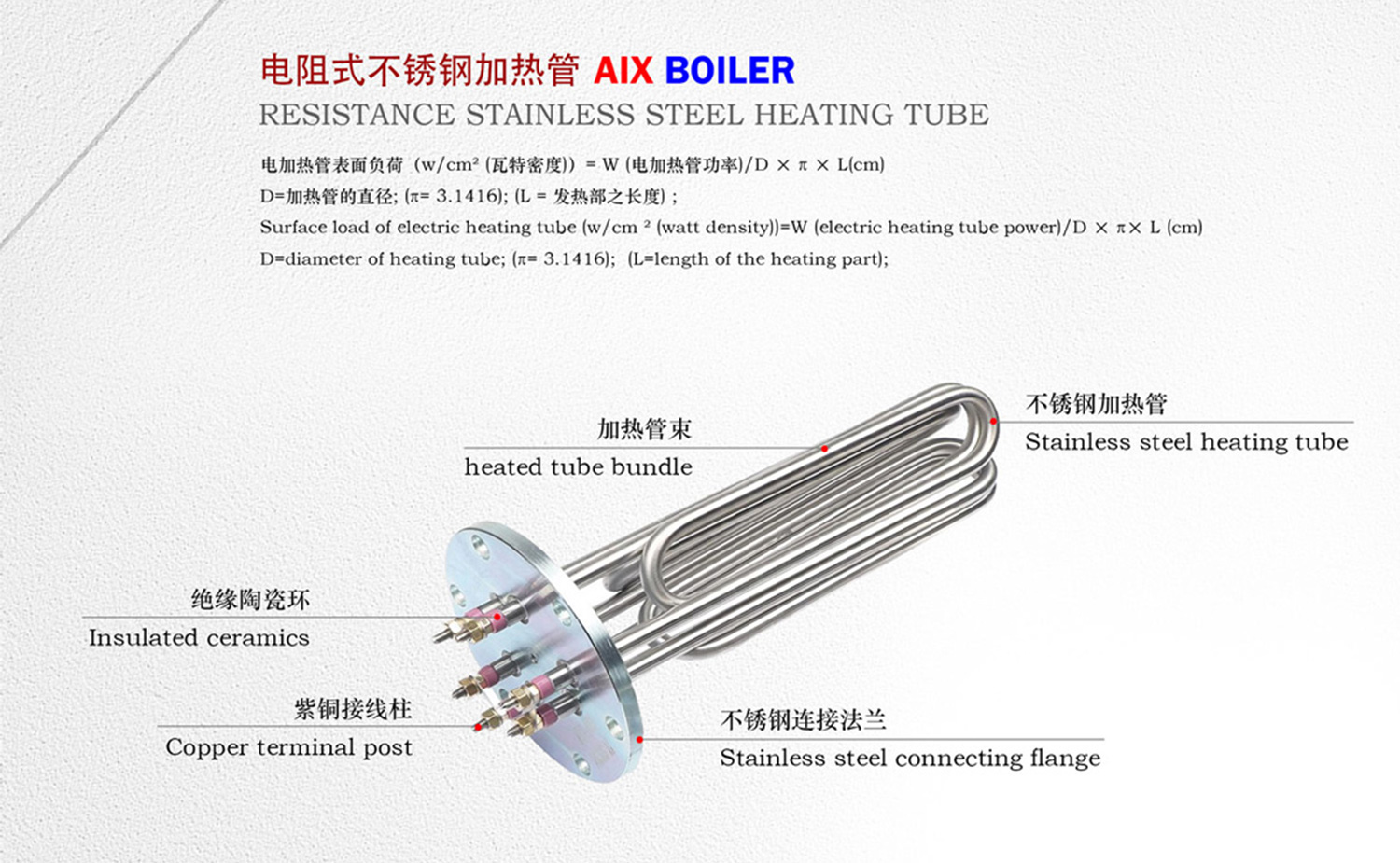
Electric heating boilers use metal tubular electric heaters toheat water, converting electrical energy directly into thermalenergy to produce steam, There is no need to convertchemical energy into heat energy through combustion, whichmeans there is no need to supply the air and fuel required forcombustion, and no harmful gases or ash are emitted, fullymeeting environmental requirements. The electric heatingtubes are connected using a triangular method, with multipleelectric heating tubes connected in a group. The outer coverhas a connecting pipe, which is installed on a flange toconnect with external electrical equipment.
Energy Saving by Principle & Design
The high efficiency of electric steam generators starts with their design and working principle:
Direct Electric Conversion: Current directly heats water to produce steam, minimizing energy conversion losses.
High Thermal Efficiency: High-quality equipment can achieve a thermal efficiency of up to 98% or more, meaning most electrical energy is converted into usable heat.
Advanced Heating Technology: Technologies like Infrared Radiation Heating enable direct energy transfer, producing steam in 3-5 seconds, and can be 30%-50% more efficient than traditional resistance heating.
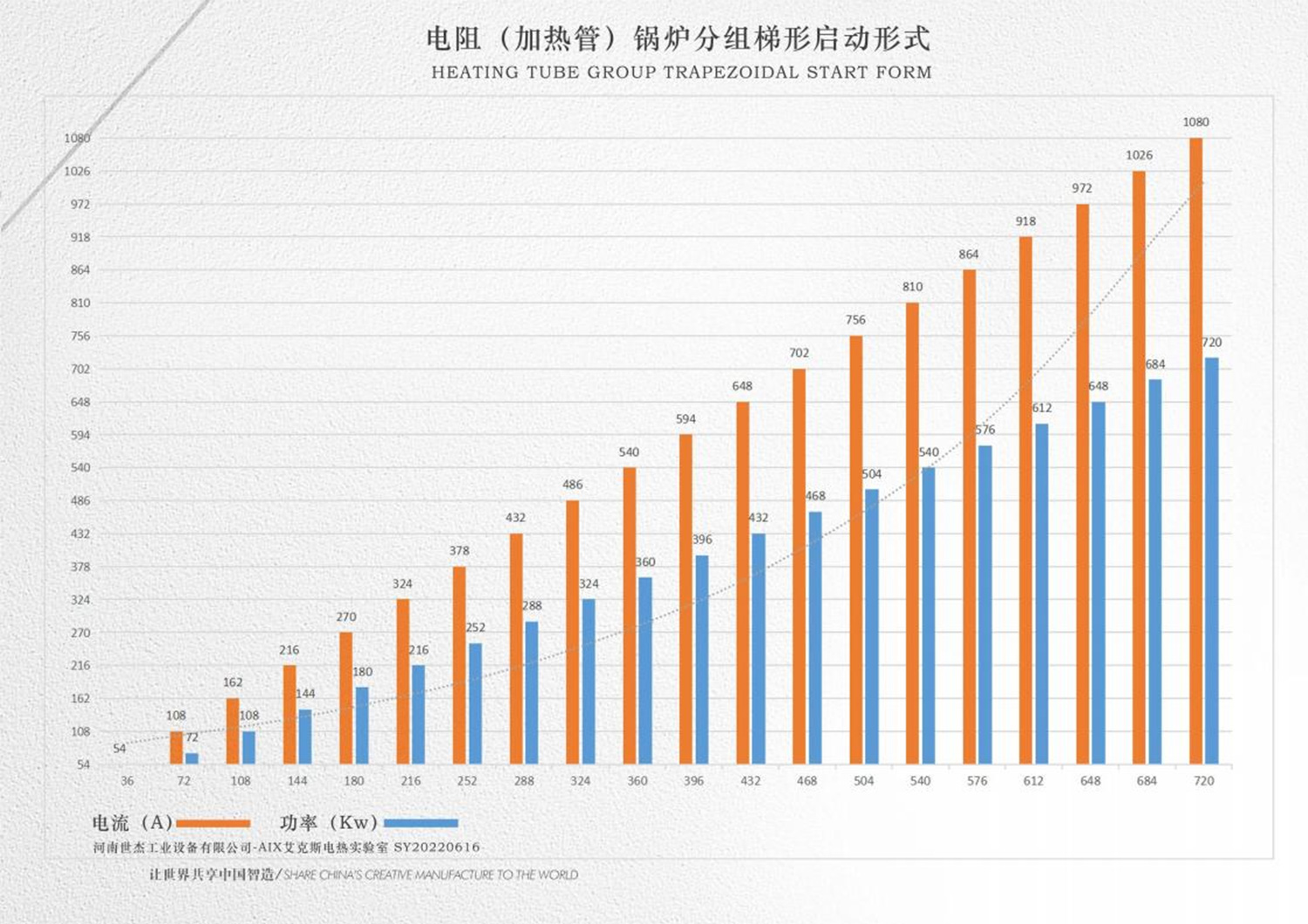
Intelligent Control Systems: This is the "brain" for saving energy. Through microcomputer intelligent control (e.g., PID systems), multi-stage power adjustment, and graded heating, these systems allow for precise control over steam temperature, pressure, and output (with temperature accuracy up to ±1°C), ensuring true on-demand supply and reducing wasted energy.
Energy Saving in Operation & Usage
Good operational practices are crucial for efficiency:
Precise Parameter Setting: Set the optimal steam temperature and pressure according to your specific process requirements to avoid unnecessary energy waste.
Optimized Operation Mode: Try to keep the equipment running steadily and avoid frequent switching on and off. The intelligent control system's on-demand steam supply and auto-adjustment functions efficiently handle load variations.
Heat Recovery: Utilize a waste heat recovery system (e.g., a condensate recovery system) to use the heat from hot condensate water to preheat the incoming feed water, significantly reducing power consumption.
Energy Saving through Maintenance & Care
Regular maintenance ensures the equipment operates at peak efficiency:
Regular Inspection and Cleaning: Periodically check electric heating elements for scale build-up and clean them promptly. Scale severely impacts heat transfer efficiency. Also, maintain the water treatment system to ensure good feed water quality.
Effective Insulation: Check the condition of the boiler insulation (e.g., top-grade ceramic fiber modules) and steam pipeline insulation to minimize heat loss.
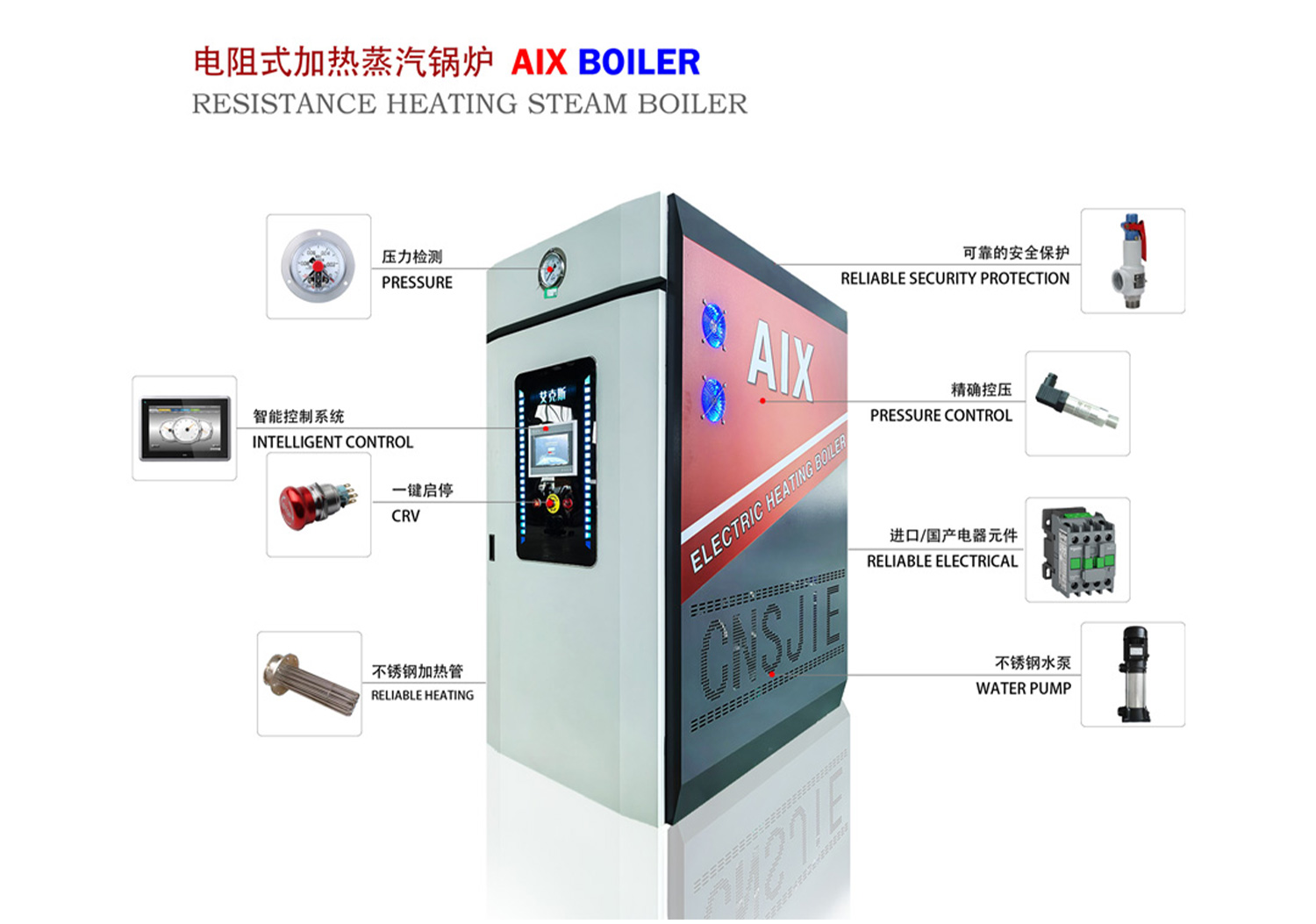
Safety Device Testing: Regularly calibrate safety valves, pressure gauges, etc., to ensure they are sensitive and reliable, indirectly guaranteeing stable and efficient system operation.
Selecting an Energy-Efficient Unit
If you are considering purchasing a new unit, evaluate its energy efficiency based on:
Right Sizing for Your Needs: Analyze your maximum and average steam consumption and select a model that matches it. Allowing a 10%-15% margin is common practice, but avoid significant oversizing ("a large horse pulling a small cart").
Focus on Core Technology & Materials:
Prioritize equipment that uses efficient heating technology (e.g., infrared heating) and advanced intelligent control systems.
Evaluate the materials of key components, such as food-grade stainless steel tanks/coils (corrosion-resistant, long life) and high-quality insulation materials.
Consider Brand Reputation & Service: Choose products from reputable manufacturers (e.g., Hudong Boiler, Watts). They typically offer more reliable technology, quality, and energy efficiency, plus professional installation guidance and timely after-sales service.
Prioritize Environmental Indicators: Choose equipment with zero emissions (no exhaust gas or waste residue) and low noise levels, which aligns with both energy efficiency and environmental goals.

Inspection Report


